
Last updated November 23, 2026
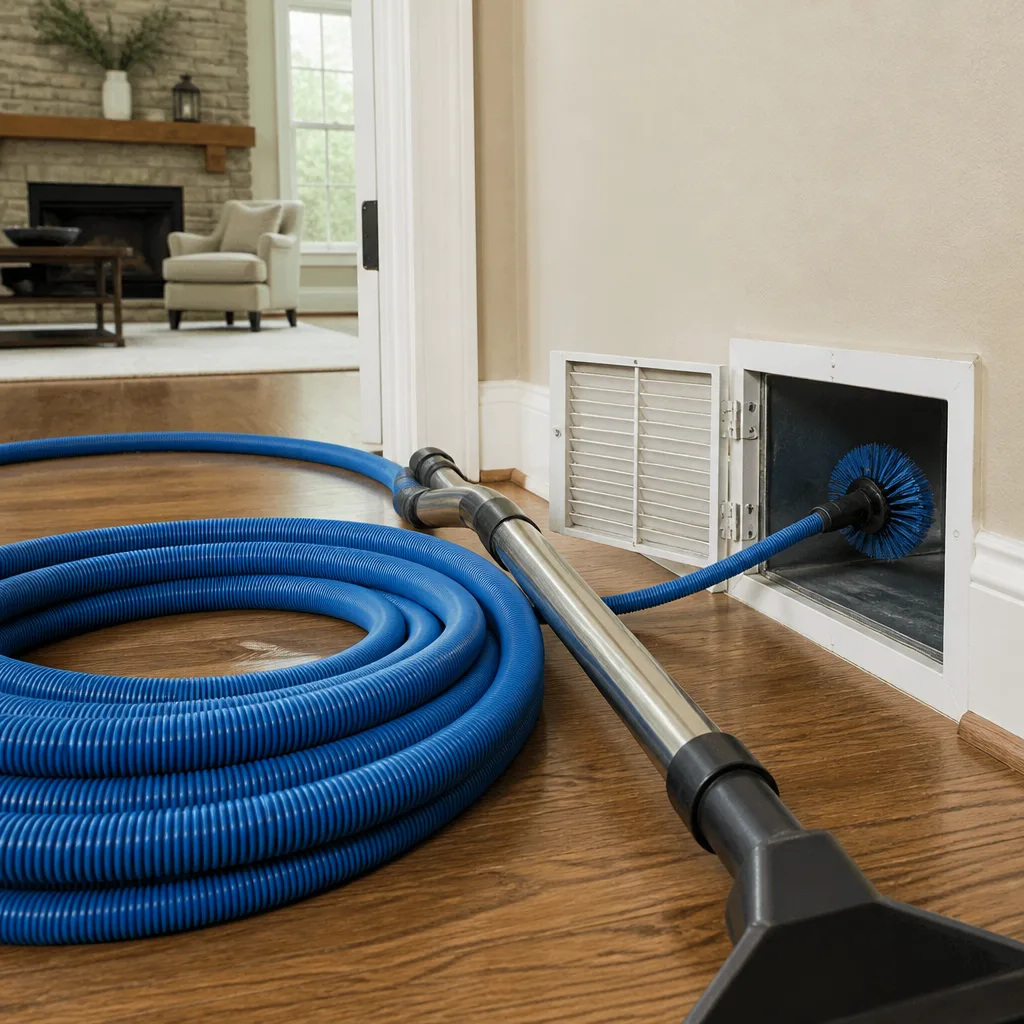 Whole-home duct cleaning
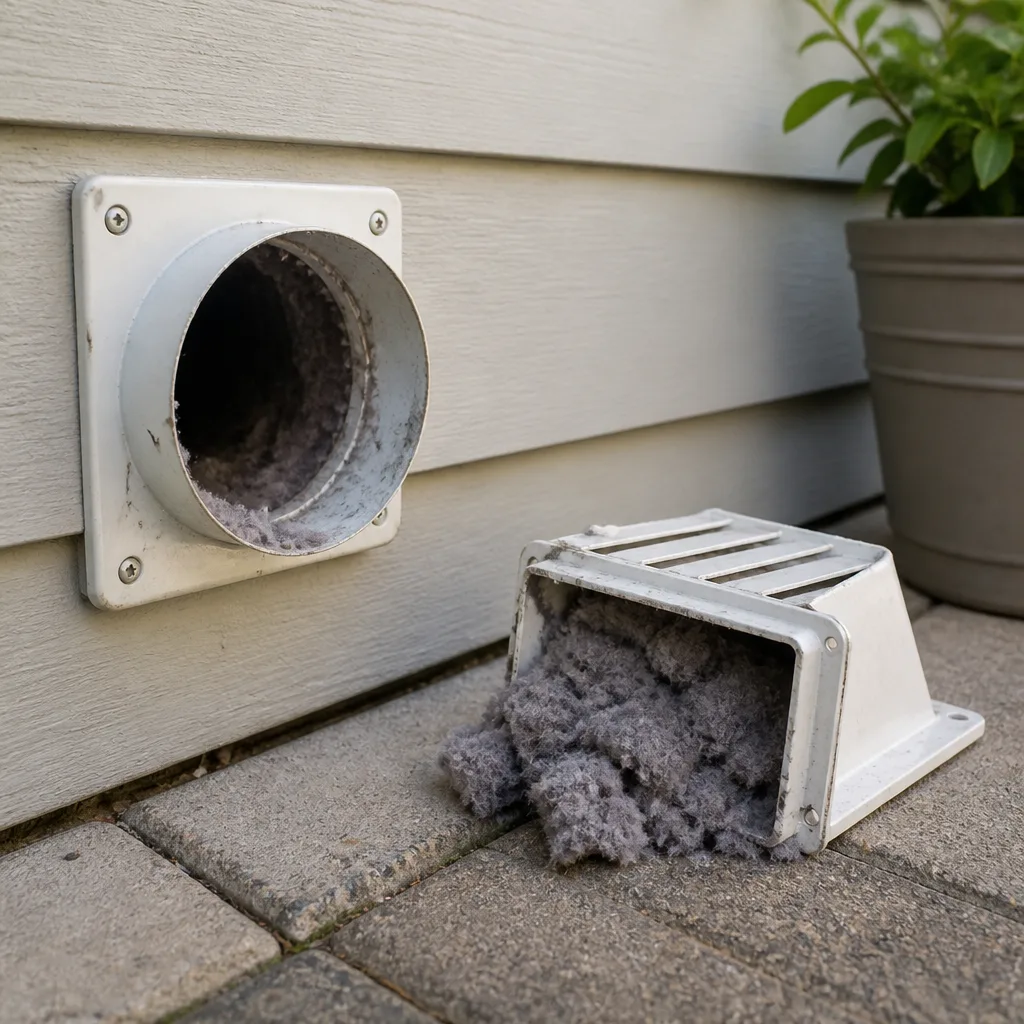 Dryer vent cleaning
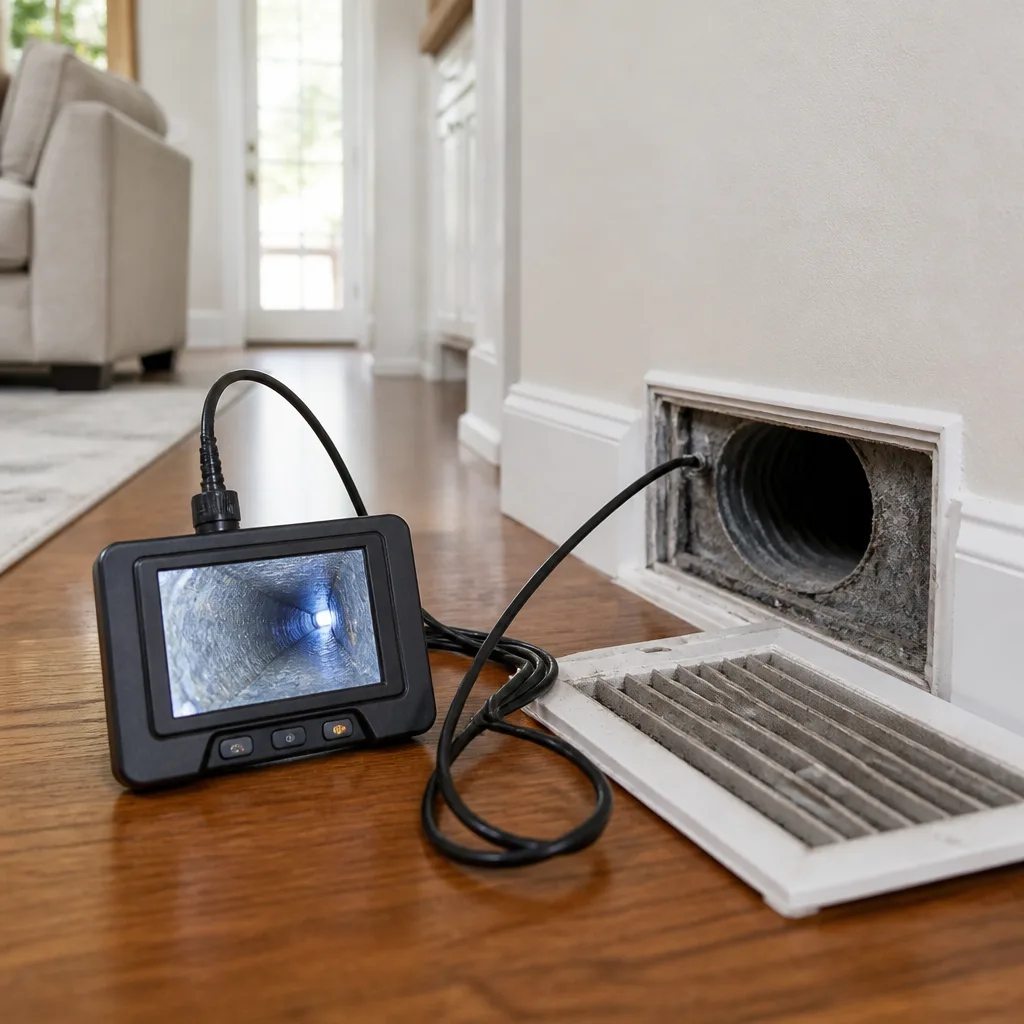 Camera inspection
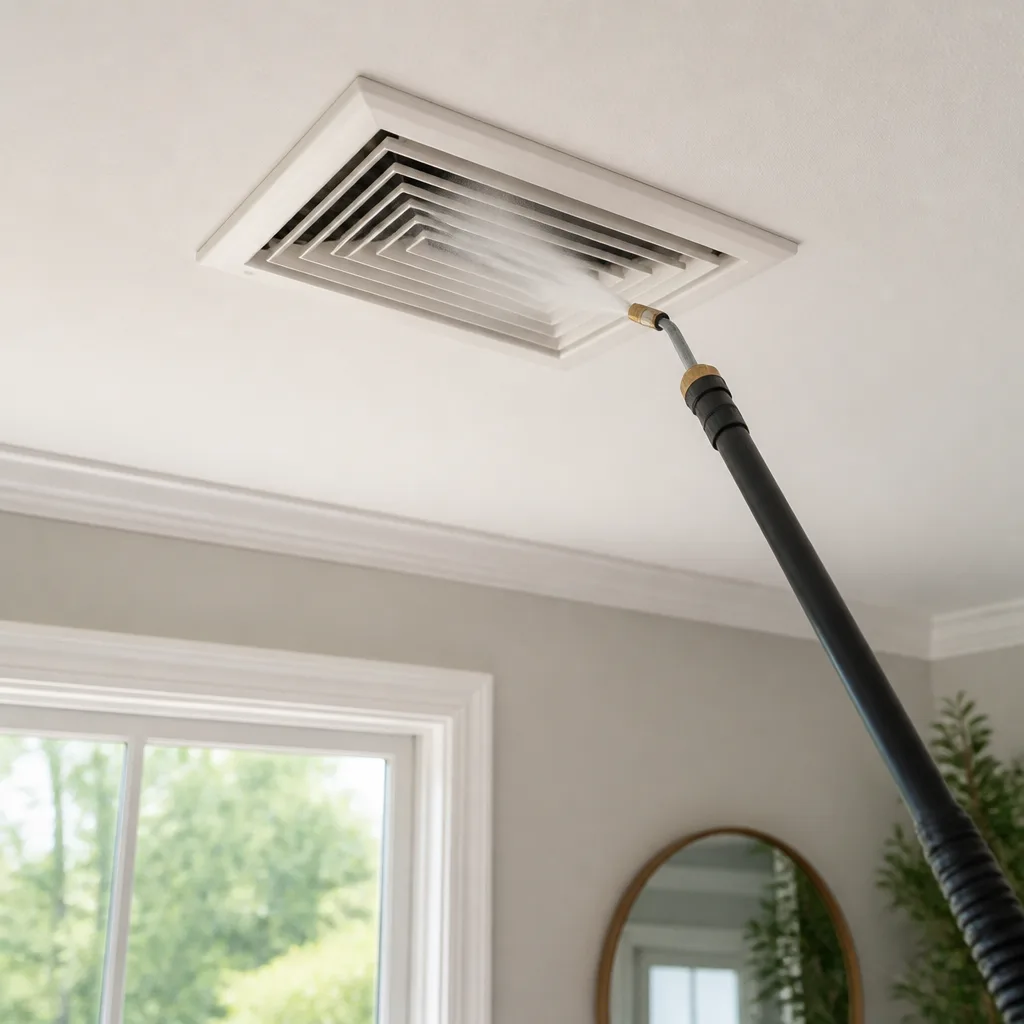 Sanitizing & deodorizing
Whole-system duct and dryer vent check with before-and-after photos - you see exactly what came out of your vents
That "$99 whole-house special" is a bait ad - the real number appears once they are in your hallway, or the "clean" is a shop-vac at the register. We photograph the inside of your ducts before and after instead.
Air Duct Cleaning Permits, Codes & Inspections in North Dallas, TX: What You Need to Know
If a duct cleaning contractor replaces a duct section, seals your plenum, or applies an antimicrobial coating to surfaces with confirmed mold, you may have paid for work that required a permit under the Texas Mechanical Code, and received none. The cleaning itself isn’t the regulated act. The remediation work sold on top of it often is. That gap between what gets sold and what gets permitted is where homeowners in North Dallas end up holding liability for mechanical work nobody inspected. This guide maps exactly where the regulatory lines fall: what the Texas Mechanical Code governs, when mold in ductwork crosses into licensed remediation territory, what to ask a contractor to document, and how to verify credentials before anyone starts. We’ll keep the focus local to North Dallas, because the code questions get answered by municipal building departments, not by a coupon mailer.
Quick Answer
Straightforward air duct cleaning in North Dallas does not require a permit. Removing dust, debris, and surface contamination from the inside of existing ductwork is maintenance, not construction. What does require a permit: cutting, adding, or replacing duct runs, sealing a plenum in a way that modifies the mechanical system, or replacing HVAC components. And when ductwork has confirmed mold growth on interior surfaces, Texas rules put licensed mold remediation in a different category than routine cleaning. The cleaning isn’t the regulated part. The modification and remediation around it usually are.
Styles & brands we work with
- Whole-home duct cleaning
- Dryer vent cleaning
- Camera inspection
- Sanitizing & deodorizing
Table of Contents
- Where the permit line actually falls in North Dallas
- What the Texas Mechanical Code says about ducts
- How Dallas, Plano, and Frisco jurisdictions differ
- Mold in ductwork: cleaning or licensed remediation?
- What your contractor should document
- How to verify a contractor’s licensing
- What a resale inspection looks for
- A step-by-step way to check your own duct job
Where the Permit Line Actually Falls in North Dallas
The permit question confuses homeowners because the trade is sold as one thing and regulated as several. Cleaning is one category. Modification is another. Remediation is a third. Each has its own rules, and most sales conversations blur them together.
Here’s the practical split. If a technician is removing loose debris from the interior of ducts that already exist, no permit is involved. That’s routine maintenance. If the job involves opening a wall to run new duct, replacing flex duct sections, or changing the shape or routing of a trunk line, you’re in construction territory and most North Dallas municipalities will want a permit. The town of Addison, the city of Richardson, and the city of Dallas each run their own building departments, and each treats mechanical alterations as permit-worthy work.
Why does this matter in North Dallas specifically? Because the housing stock invites modification. Plenty of the homes in neighborhoods like Preston Hollow, Melshire Estates, and the streets around Hillcrest and Frankford were built decades ago with duct systems sized for a different era of HVAC equipment. When a system gets replaced or upgraded, the ductwork often gets reworked at the same time. That rework is where permits get skipped, and it’s where the next buyer’s inspection finds trouble.
There’s a nuance that almost never gets mentioned at the point of sale. A duct cleaning company that also offers repair and sealing – which we do, as part of air duct cleaning and follow-on repair work – needs to know which of its services are permit-adjacent and which are not. Cleaning is not. Sealing can be. Replacement usually is. If the contractor isn’t distinguishing between those, ask why.
For homeowners, the test is simple: ask whether the work changes the system’s physical layout, air capacity, or material. If yes, ask who is pulling the permit. If the answer is “nobody needs one,” that’s your signal to slow down and check with your city’s building department before work begins.
What the Texas Mechanical Code Says About Ducts
Texas adopts the International Mechanical Code, published by the International Code Council, as its statewide mechanical standard through the Texas Department of Licensing and Regulation (TDLR). Local municipalities then adopt and sometimes amend it. Section 603 of that code covers duct construction and is the section most relevant to residential duct work.
Section 603 addresses how ducts are built: materials, thickness, joints, sealing, and support. It’s the section inspectors reference when they look at whether a duct run is properly assembled. It’s also the section that comes into play when a contractor “repairs” a duct in a way that amounts to replacement or reconfiguration rather than patching.
What that means for a North Dallas homeowner in plain terms:
- Patching a small hole or taping a joint is generally repair work and doesn’t typically require a permit.
- Replacing a flexible duct run between the plenum and a register is usually permit-worthy under the mechanical code, because it’s replacement of a listed component in the system.
- Reconfiguring trunk lines or adding a new register is unambiguously permit territory. It changes the system design.
- Sealing a plenum in a way that changes its dimensions or penetrations moves toward permit-worthy, because the plenum is a component of the mechanical system, not a duct segment.
The code also puts weight on how ducts are sealed and supported. When a cleaning contractor encounters sagging flex duct in a hot North Dallas attic and offers to “tighten it up,” that conversation should include a licensed mechanical contractor’s judgment, not just a duct cleaning crew’s. Cleaning, sanitizing, and sealing with the right products – we use Guardsman-grade finishing products in the sanitizing and sealing steps – is different from re-hanging and re-supporting duct runs to code. The first is maintenance. The second is mechanical work.
One more piece worth knowing: nationwide, many municipalities adopt the International Residential Code (IRC) for one- and two-family homes, and the IRC carries its own mechanical provisions (Chapter 16 in the current cycle) that essentially mirror the mechanical code’s intent. Dallas and most of its neighbors administer mechanical rules through their building inspection departments, and those departments can tell you exactly which edition of which code applies to your address. Ask before you buy the work, not after.
How Dallas, Plano, and Frisco Jurisdictions Differ
North Dallas sits inside a patchwork of city limits. A homeowner on one side of a street might fall under Dallas’s building department, and the neighbor across the street might fall under Richardson’s or Carrollton’s. Each department interprets the mechanical code with its own permitting thresholds and its own inspection process. That’s not a loophole to exploit – it’s a reason to check your specific address.
The practical differences come down to three questions each city answers differently:
- What counts as a permit-required alteration? Some cities classify flex duct replacement as an over-the-counter permit. Others require a plan review for anything beyond a one-for-one swap.
- Who can pull the permit? In most North Dallas municipalities, the permit can be pulled by a licensed mechanical contractor. Some allow homeowners to pull permits for their own owner-occupied property, but the inspection still applies.
- When is the inspection required? Duct work is typically inspected after the rough-in and before it’s concealed behind drywall or insulation. If a contractor completed the work and closed it up without an inspection, that’s a red flag the next buyer’s inspector will spot.
Dallas’s building department operates through its permitting portal, and inspection scheduling happens through the same system. Plano and Frisco both run their own online permitting, and both typically require a licensed contractor to pull mechanical permits.
The practical upshot for anyone doing duct work in North Dallas: identify which city your house sits in, then call that city’s building department and ask two specific questions. Does replacing a duct run require a permit? And does it need an inspection before it’s closed up? The answers take five minutes and tell you whether your contractor’s plan is compliant.
Mold in Ductwork: Cleaning or Licensed Remediation?
This is where the regulatory line most often gets crossed in North Dallas, and where homeowners end up with fogging agents applied to confirmed mold growth by a company that wasn’t licensed to do it.
Texas requires mold remediation contractors to be licensed by TDLR. The governing statute is Texas Occupations Code Chapter 1958, and the rules live in the Texas Administrative Code and TDLR’s mold program regulations. The license is specific: it authorizes mold assessment and remediation work. A regular cleaning company that isn’t licensed can’t legally perform mold remediation, even if the mold is inside ductwork and even if the company’s primary business is ducts.
The distinction between “cleaning” and “remediation” is where homeowners get caught. TDLR’s own guidance treats small amounts of surface mold as something a routine cleaning can address. Once the affected area crosses a defined size threshold per the applicable TDLR rule, the job requires a licensed mold remediation contractor. Once a licensed assessment has confirmed the growth, work has to be done by a licensed remediator under a remediation protocol, with the mold assessment and remediator roles kept separate per TDLR rules.
What this looks like in practice for a North Dallas homeowner:
- A contractor applies a “sanitizing fog” to ductwork with visible black growth and calls it cleaning. That’s a potential violation if the growth exceeds the assessment threshold. The right move is a licensed mold assessment first.
- A licensed remediator’s assessment confirms elevated mold in the return plenum. Work has to follow a written remediation protocol, and the assessment and remediation roles stay separate per TDLR rules.
- The remediator performs the work using containment and negative-pressure equipment. This is why professional contractors use tools like Abatement Technologies filtration and negative-air units – the equipment category is borrowed from the mold and asbestos abatement trades, not the shop-vac aisle at the hardware store.
- Post-remediation verification is performed, and the report goes into the file. That report is what protects you when the house is sold.
If a North Dallas duct cleaning quote includes the word “mold” and a fogging service but not a TDLR-licensed mold contractor, ask hard questions. Fogging without an assessment is a liability the homeowner inherits. We’d rather point you to a licensed remediator for the assessment stage than sell you a fog.
What Your Contractor Should Document
Most duct cleaning jobs produce a receipt. A permit-adjacent job should produce a file. The difference matters at resale, and it matters if a future inspection discovers work that doesn’t match the record.
For any duct job in North Dallas that involves more than cleaning – sealing, repair, replacement, or remediation – ask for the following documentation:
- The permit number and inspection result if the work was permit-worthy. If the job didn’t need a permit, a written statement from the contractor explaining why (for example, cleaning only, or a joint-seal repair within maintenance scope) is worth keeping.
- Before-and-after photos or video of the specific ducts. Not a stock photo of a clean duct. Your ducts. We write toward transparency and showing the work because the work is what the homeowner is paying for.
- Written scope, signed before work begins. Which ducts, which components, which materials. A scope that says “clean all vents” is a teaser, not a scope.
- Materials and products used. Sealing compounds, sanitizing solutions, and finishing products should be listed with product names. If a contractor can’t name the products, that’s information you’re entitled to.
- A mold remediation protocol and clearance report if remediation was performed. Without a clearance report, you don’t have proof the remediation achieved its target condition.
- A copy of the contractor’s license and insurance certificate. Verify the license through TDLR’s public lookup (covered in the next section). Keep a copy in your home file.
This file matters at resale. North Dallas home inspectors and buyers’ agents in active markets like ours routinely review mechanical disclosures. If a duct system was significantly altered, and the seller can’t produce a permit or a scope document, the buyer’s inspector will flag it and the transaction can stall. Documented maintenance doesn’t stall. Undocumented modification does.
How to Verify a Contractor’s Licensing
Before any North Dallas duct work that touches sealing, repair, replacement, or mold remediation, verify the contractor’s license. The state runs a free public lookup, and it takes minutes.
Two different licenses may apply:
- Mold remediation license (TDLR). Issued to mold assessment and remediation contractors under Texas Occupations Code Chapter 1958. Search by individual or company name at TDLR’s online licensing search.
- Mechanical or HVAC contractor license. Depending on the municipality, a mechanical contractor license may be required to pull the permit. Dallas and neighboring cities sometimes handle this through the building department rather than a separate state license, so call the local department to confirm what applies at your address.
Step-by-step:
- Ask the contractor for their license number in writing, before the estimate.
- Open TDLR’s public license search and enter the name or number.
- Confirm the license is active, not expired or suspended, and that the license covers the type of work you’re being sold.
- If the work touches the mechanical system, call the city’s building department and confirm whether a mechanical contractor license is required to pull the permit.
- Ask for a certificate of insurance and confirm the policy is current and covers the work being done.
We think this is a normal part of the sales conversation, not an insult. A contractor who resists the question is telling you something. A contractor with nothing to hide will send the license number over in the same email as the estimate.
What a Resale Inspection Looks For
When you sell a North Dallas home, the buyer’s inspector is looking at the mechanical system and the ductwork. They’re not looking for dust. They’re looking for signs that the system was modified without documentation.
Common flags:
- Unpermitted duct replacement. New flex duct in an older attic with no inspection record attached to the address. Inspectors know to look for permit history at the city.
- Sealing that changed the system. A plenum that’s been mastic-sealed or reconfigured with no documentation can raise questions about whether the system was re-balanced afterward.
- Mold remediation without a clearance report. If a seller says mold was remediated, the buyer’s inspector and the buyer’s agent will ask for the clearance report. Without one, the deal is exposed.
- Condensate and drain line work. Adjustments to the air handler area often travel with duct work. If those touched the mechanical system without a permit, that’s a disclosure issue.
- Duct runs that don’t match the system design. A trunk line or register that was added without a mechanical design review can prompt a call to the city for permit history.
The fix is simple: document the work when it’s done. A folder with permits, scopes, before-and-after photos, and product names walks a buyer’s inspector through the history without a single phone call to the city. That’s a small step that prevents a very expensive conversation at closing.
A Step-by-Step Way to Check Your Own Duct Job
If you’re about to buy duct work in North Dallas, here’s the sequence we recommend, in order, before you sign:
- Identify your city. Look at your property tax statement or city utility bill. Dallas, Plano, Frisco, Richardson, Addison, Carrollton – each has its own building department.
- Call your city’s building department. Ask whether your specific scope requires a permit and an inspection. Write down the name of the person you spoke to and the date.
- Get the scope in writing from the contractor. Cleaning, sealing, repair, replacement, and sanitizing should be listed as separate line items, not bundled into one number.
- Verify licensing. TDLR lookup for mold remediation. City building department for mechanical contractor permits.
- Confirm the mold question. If any visible growth is present, ask whether the contractor has a TDLR-licensed mold assessment in place or will refer one.
- Get before-and-after documentation in the scope. If the contractor won’t commit to showing you your own ducts before and after, that’s information.
- Keep the file. Permit numbers, inspection results, scope, photos, product names, license and insurance copies. This is your disclosure file for resale.
We use this sequence ourselves on jobs that touch the mechanical system. It’s not a sales tool. It’s how you keep the work compliant and keep yourself out of a liability conversation at closing.
Common Mistakes to Avoid
- Assuming cleaning needs a permit. Routine duct cleaning in North Dallas doesn’t. Confusing cleaning with modification sends homeowners into unnecessary paperwork, and it also masks the real question: did the modification get permitted?
- Assuming nothing needs a permit. The opposite mistake. A duct replacement or plenum alteration without a permit is a disclosure problem at resale, and an inspector will find it.
- Accepting a “sanitizing fog” on confirmed mold. A cleaning company without a TDLR mold remediation license can’t do that work. Get an assessment first.
- Not asking for before-and-after photos of your own ducts. Generic photos from a stock library prove nothing. Site-specific photos do.
- Letting the contractor decide the permit question. The contractor may be right, but the building department is the authority. One phone call settles it.
- Not keeping the paperwork. A folder with permits and scopes is the difference between a smooth closing and a stalled sale in a competitive North Dallas resale market.
- Treating a low coupon price as a full scope. A teaser price for “whole-home duct cleaning” that turns into a bigger invoice on-site often reflects a job that skipped documentation, containment, or licensing. You can’t tell which until you ask.
See the difference
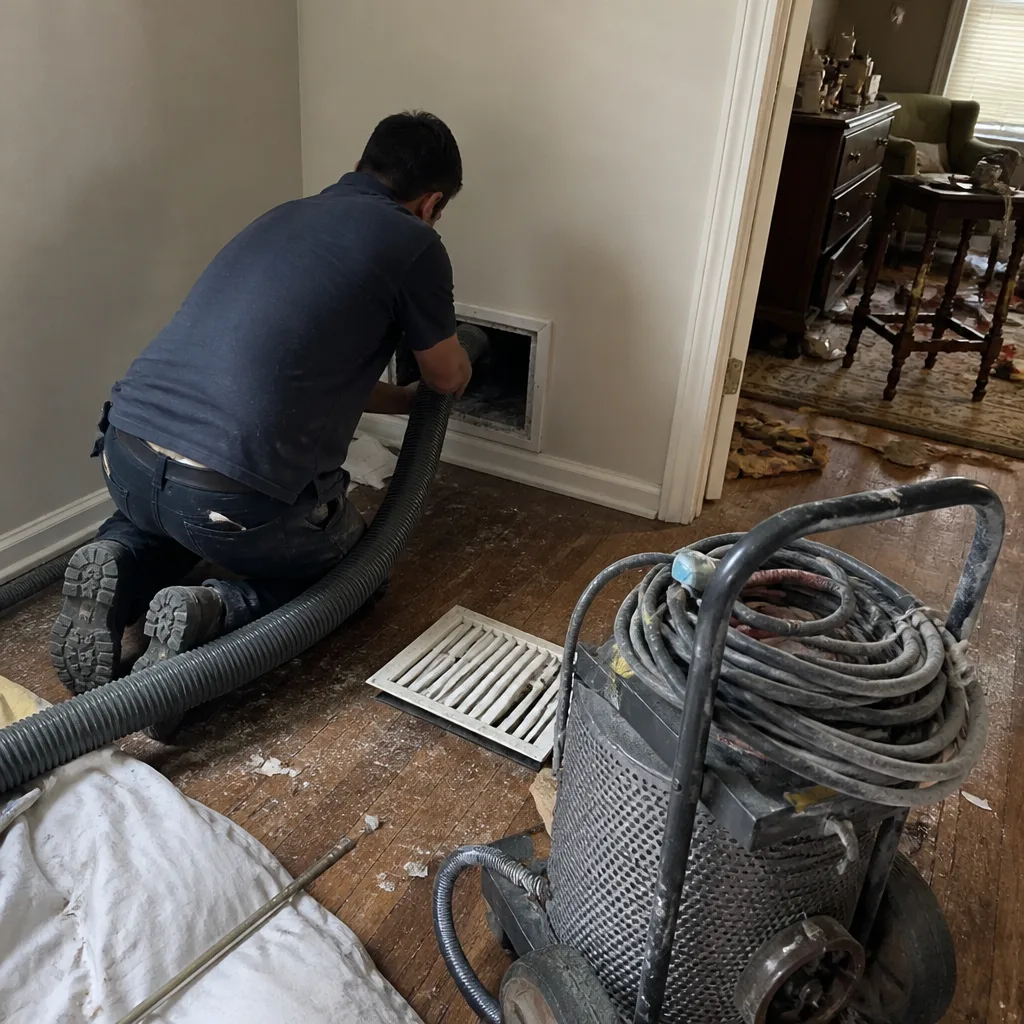 Before
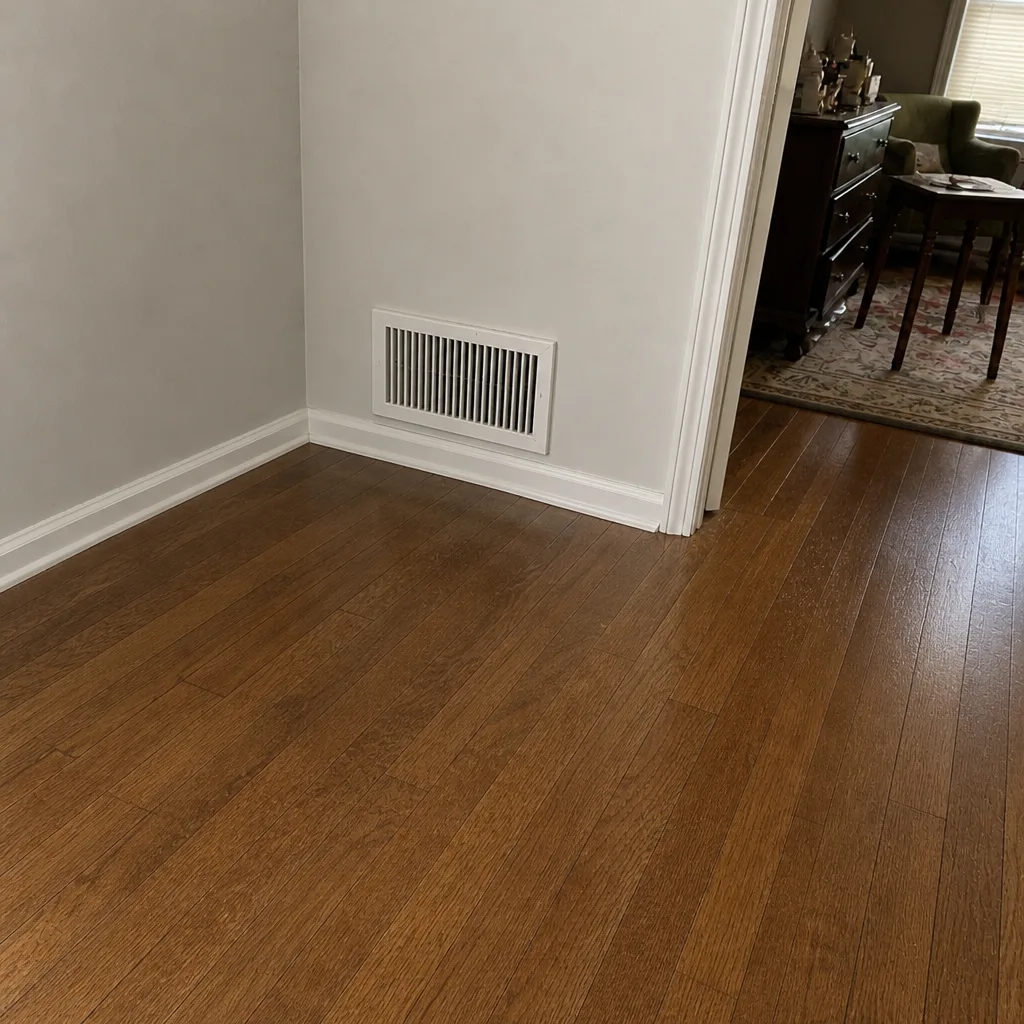 After
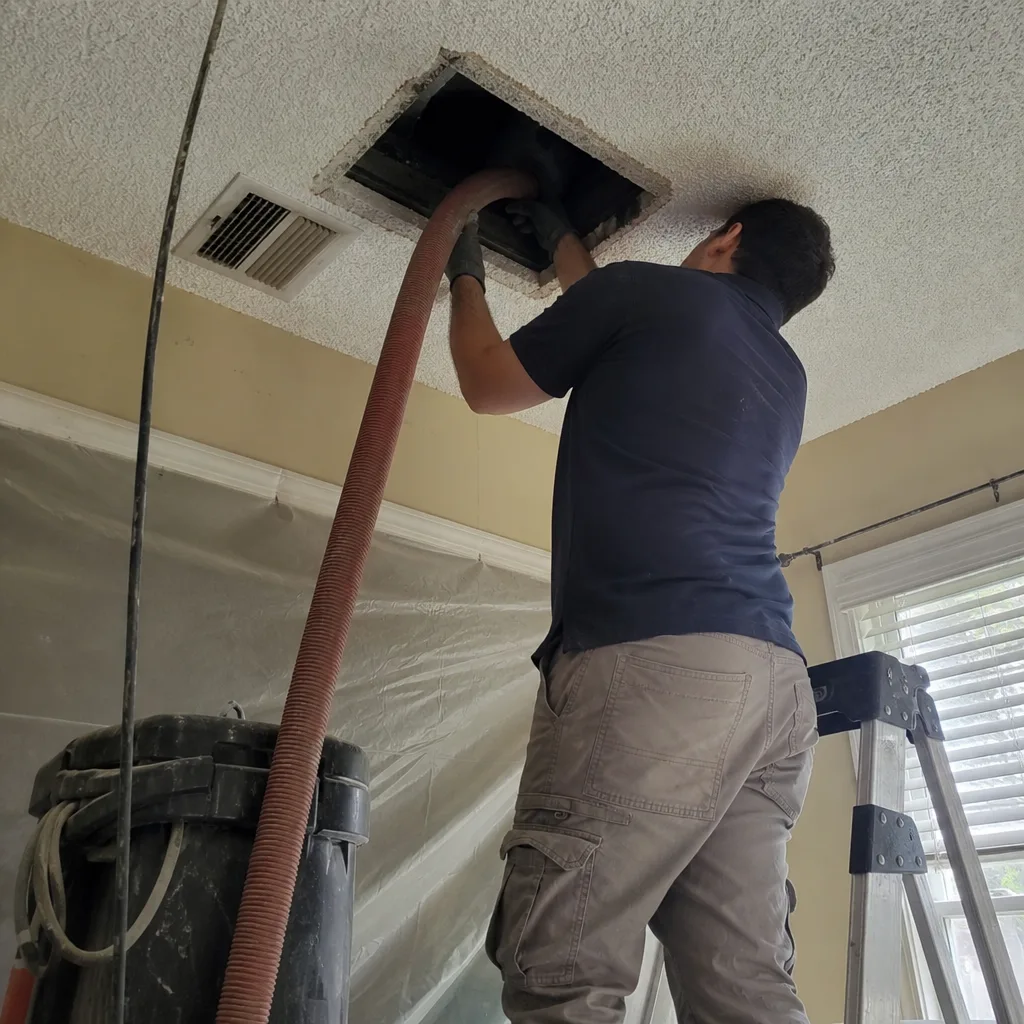 Before
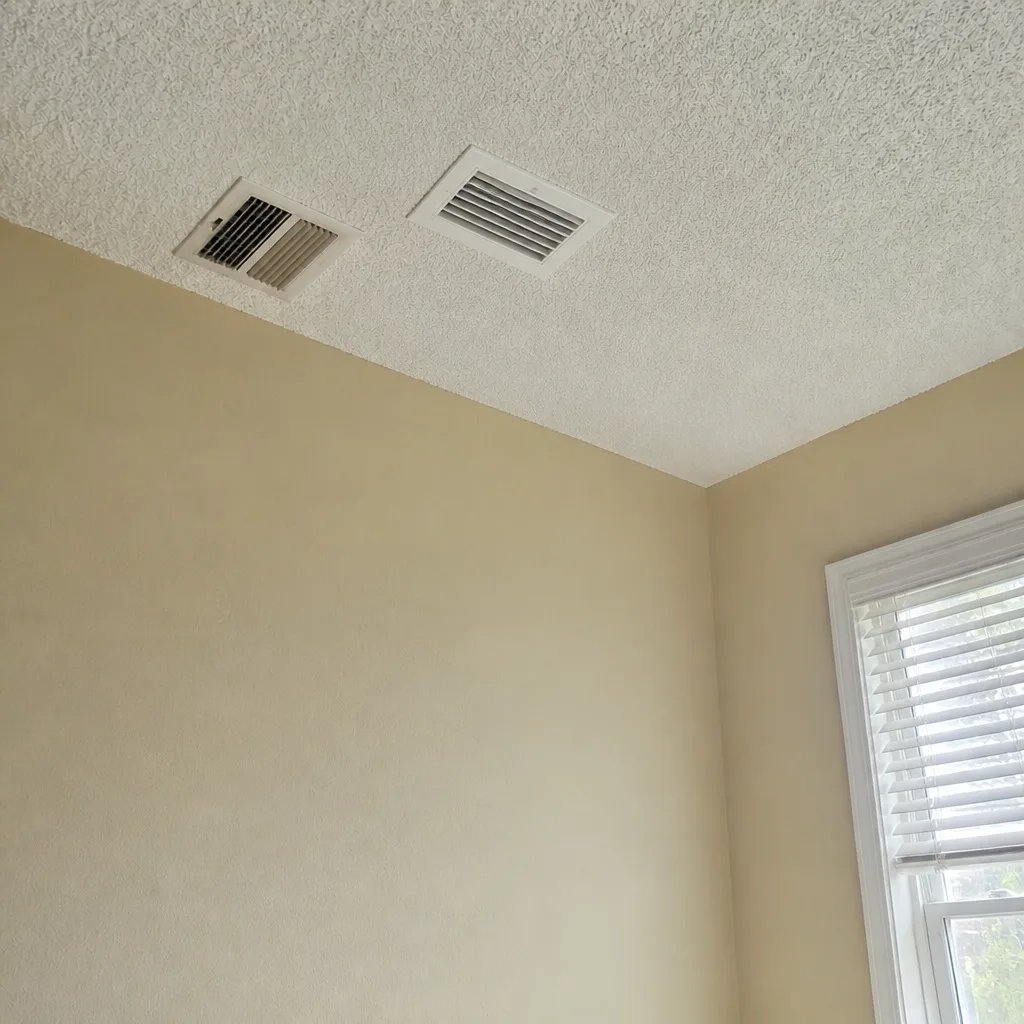 After
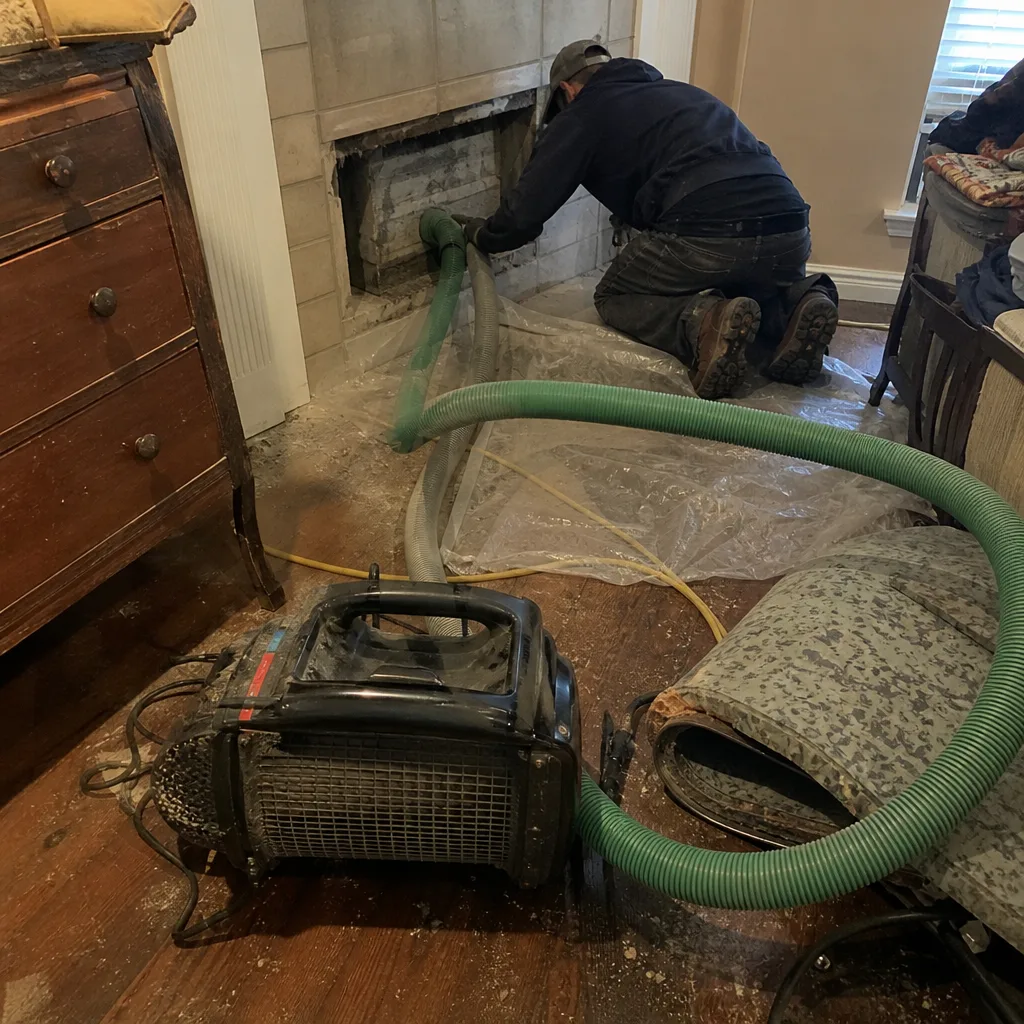 Before
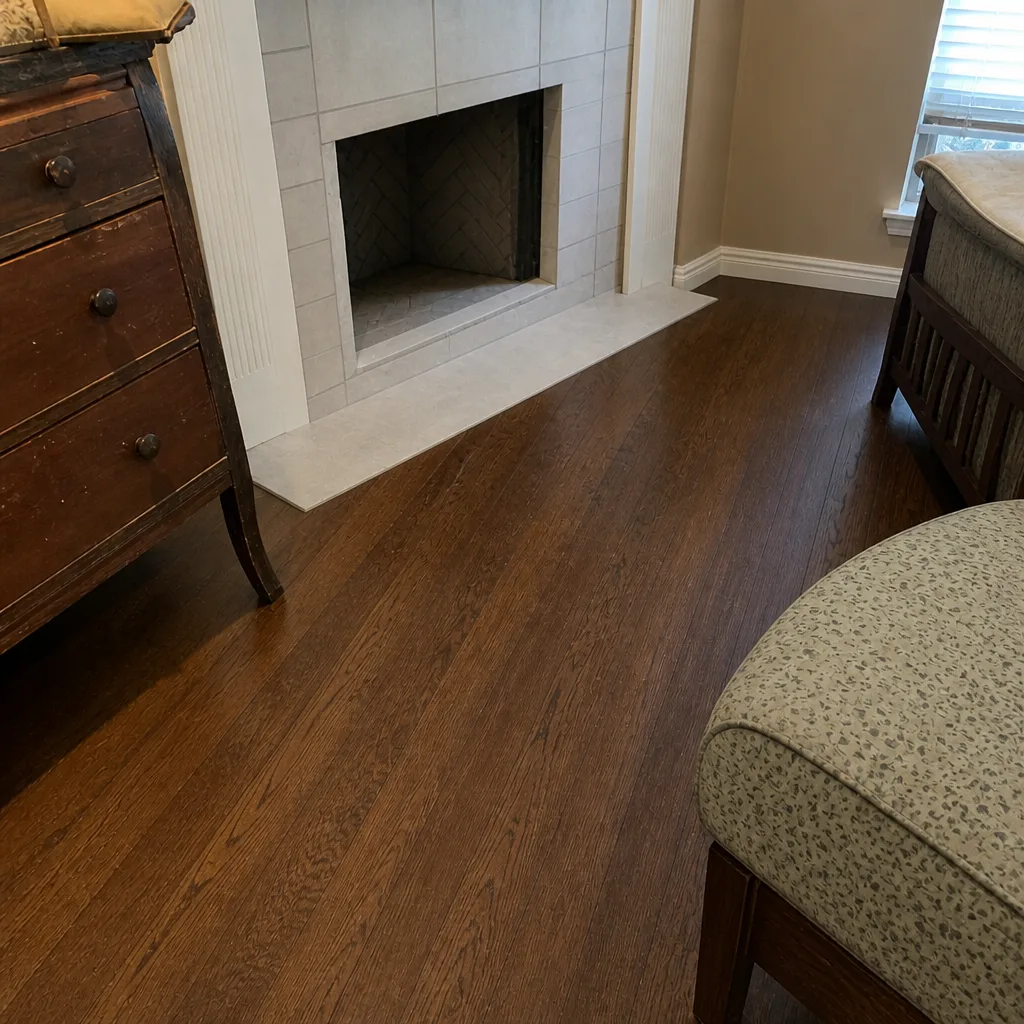 After
When to Call a Professional
Call a professional when any of the following apply. You’re seeing visible growth on duct surfaces or in the air handler. A renovation has just wrapped and the HVAC system is pushing construction dust into living spaces. You’re considering duct replacement or sealing that changes the system. A prior cleaning left you with no documentation and you’re planning to sell. Dryer vent lint has built up and you’re not sure the vent run is clear. The system has been running with poor airflow and you can’t trace the cause.
For routine dryer vent cleaning, treating it as a separate job rather than an add-on is worth insisting on. The lint pathway is a fire-risk line, distinct from the duct system.
For the parts of a duct job that touch the mechanical system, we partner with licensed mechanical contractors who can pull the permit and take responsibility for the inspection. For confirmed mold, we refer to a licensed mold assessment rather than fogging growth ourselves. We’d rather be the contractor that tells you the truth about the permit line than the one that skips it. Air Duct Cleaning North Dallas offers free estimates in North Dallas; call (833) 482-6392 to set one up.
Frequently Asked Questions
No. Routine cleaning of existing ductwork does not require a permit in North Dallas or in most Texas municipalities. Cleaning is maintenance, not construction. Call (833) 482-6392 for an estimate – it’s free.
When the work modifies the mechanical system: replacing duct runs, adding or moving registers, reconfiguring trunk lines, replacing HVAC components, or altering a plenum in a way that changes its size or penetrations. The specific threshold varies by city, so call your building department to confirm at your address.
Not for remediation. Texas requires TDLR licensing for mold remediation work beyond the small-area threshold defined in the state rules. A duct cleaning company without a mold remediation license can’t legally perform remediation on confirmed growth, even inside ductwork. The right first step is a licensed mold assessment.
For mold remediation, use TDLR’s free public license lookup online. For mechanical work, ask the contractor for their license number and confirm permit eligibility with your city’s building department. Ask for a certificate of insurance at the same time.
Permit numbers and inspection results for any permit-worthy work, a written scope signed before work begins, before-and-after photos of your specific ducts, product and material names, and a mold clearance report if remediation was performed. Keep it with your home file – it’s your disclosure package at resale.
Sometimes. Sealing joints in existing duct is typically maintenance. Sealing or reconfiguring a plenum in a way that changes the mechanical system often crosses into permit territory. It depends on your city and the specific scope, so ask the building department before work begins – and ask the contractor to write down why they think a permit is or isn’t needed.
The Bottom Line
The cleaning itself isn’t what the code regulates. The sealing, replacing, and remediating around it often are. Texas Mechanical Code Section 603 and the state’s mold remediation licensing rules under TDLR set the lines, and North Dallas municipalities – Dallas, Plano, Frisco, Richardson, and others – each handle their own permitting. Your job as a homeowner is to ask three questions before work begins: does this scope need a permit, is the contractor licensed for what they’re selling, and will they document the work with site-specific photos and a written scope. The answers protect you at resale, and they keep the work compliant.
Have More Questions? Call Us
Air Duct Cleaning North Dallas offers free estimates in North Dallas and surrounding communities. Our technicians have up to 10 years of experience, and we use contractor-grade equipment from Rotobrush, Nikro, and Abatement Technologies so containment and documentation are part of the job, not an upgrade. Whether you need HVAC cleaning alongside a duct cleaning, or a straight talk about whether your scope is permit-adjacent, we’re the team that will walk you through it.
Call (833) 482-6392 for a free estimate. We answer 24/7. Fast dispatch from 7am to 7pm, Sunday through Friday. If you’d like to schedule an appointment after our usual hours, we book into the next opening. Learn more about how we work at Air Duct Cleaning North Dallas.
Written by the team at Air Duct Cleaning North Dallas.