
Last updated November 23, 2026
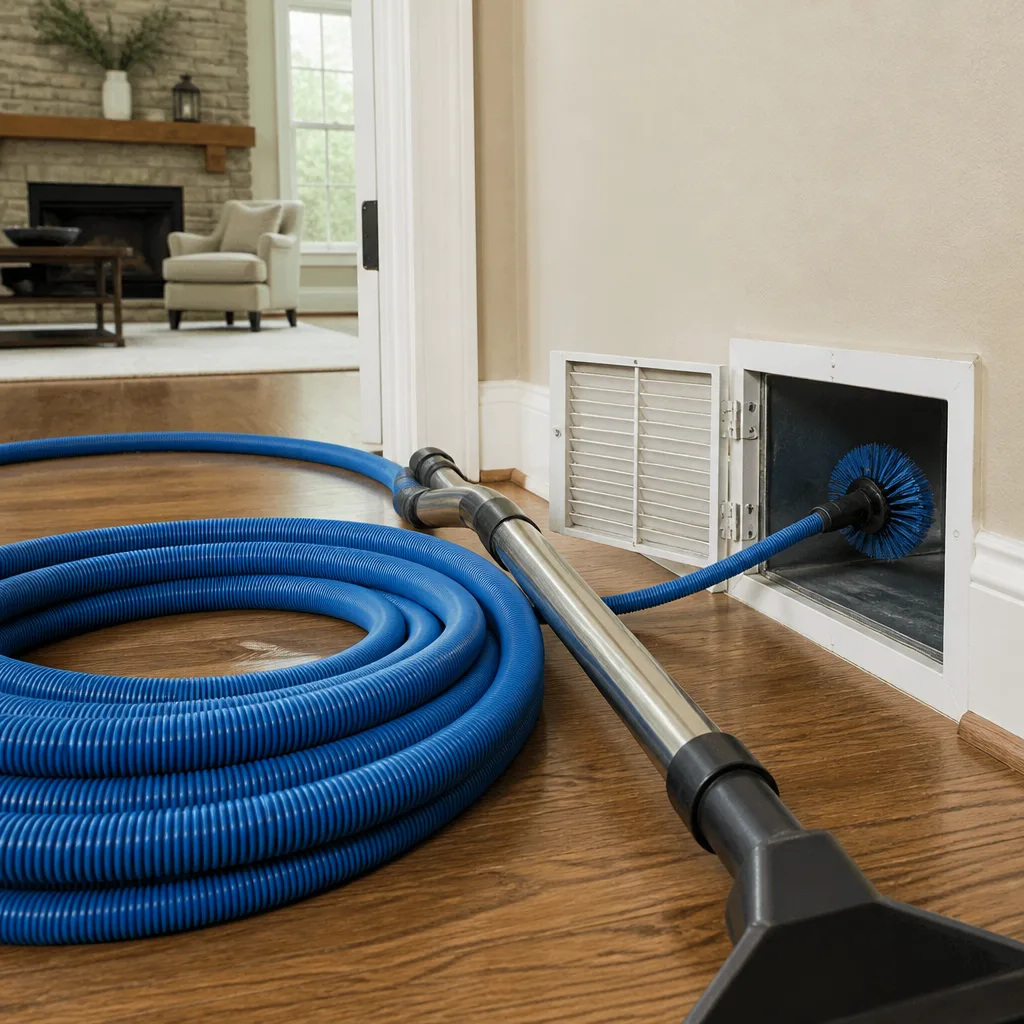 Whole-home duct cleaning
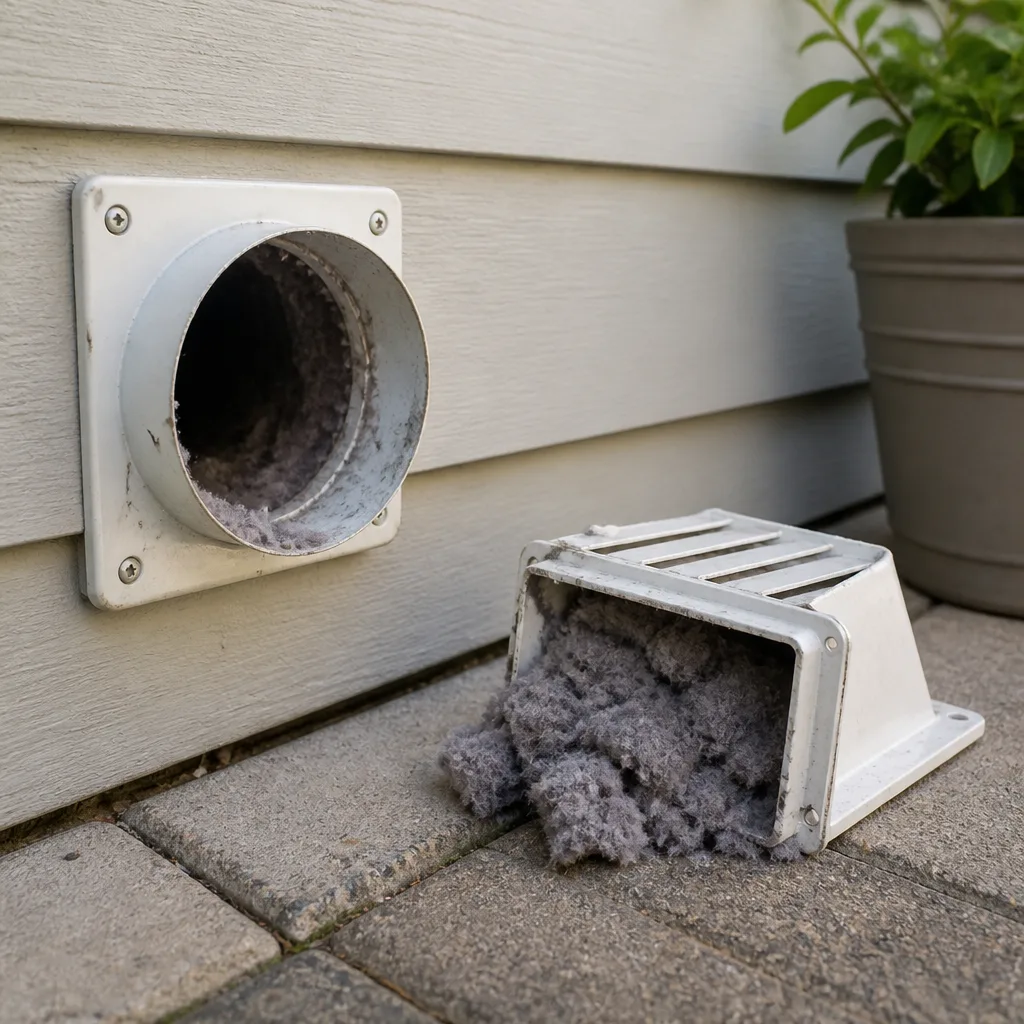 Dryer vent cleaning
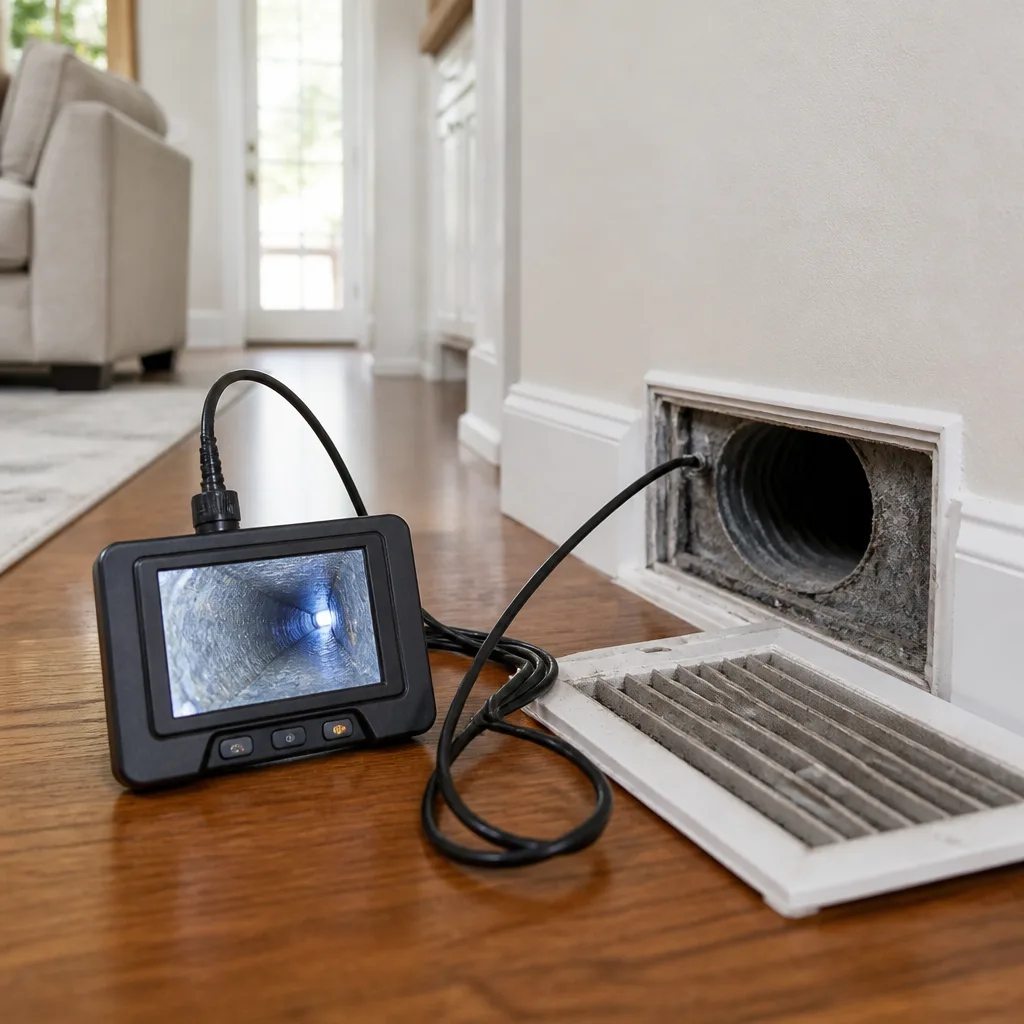 Camera inspection
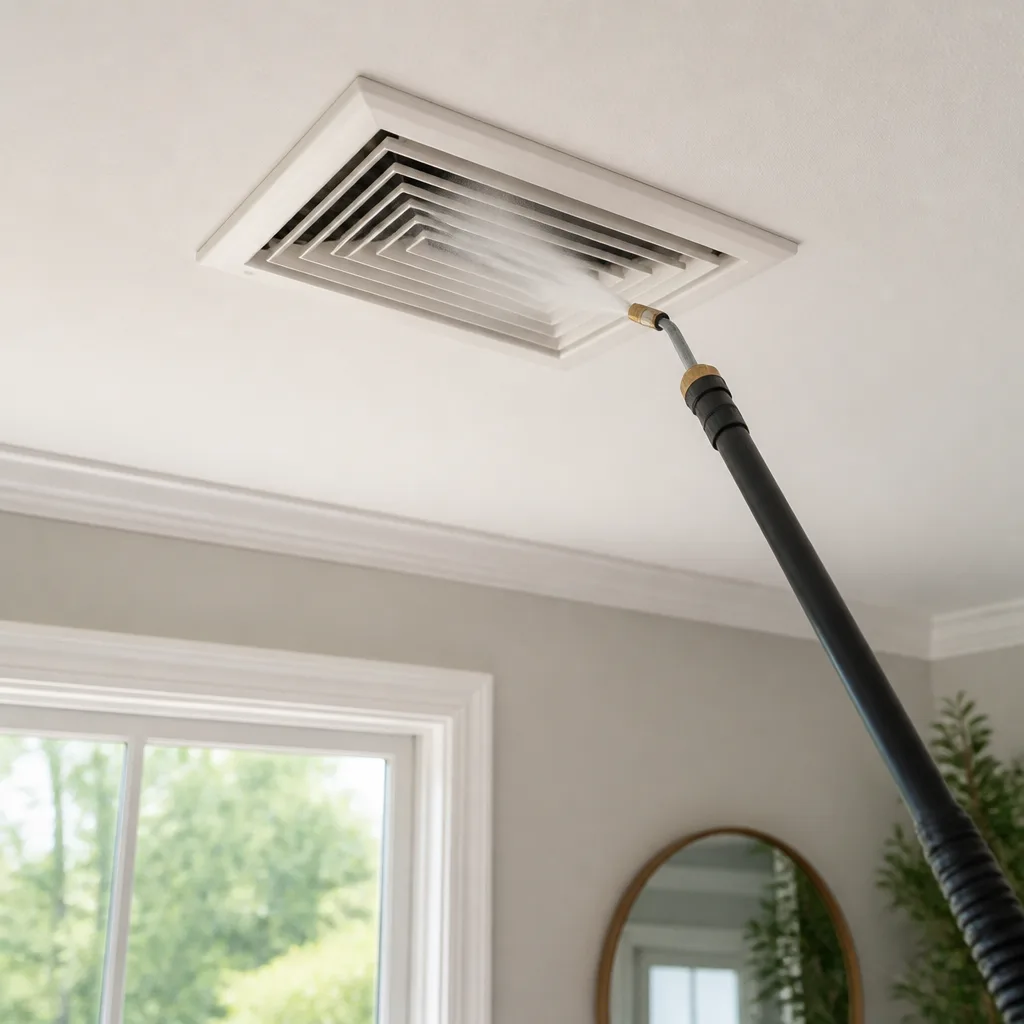 Sanitizing & deodorizing
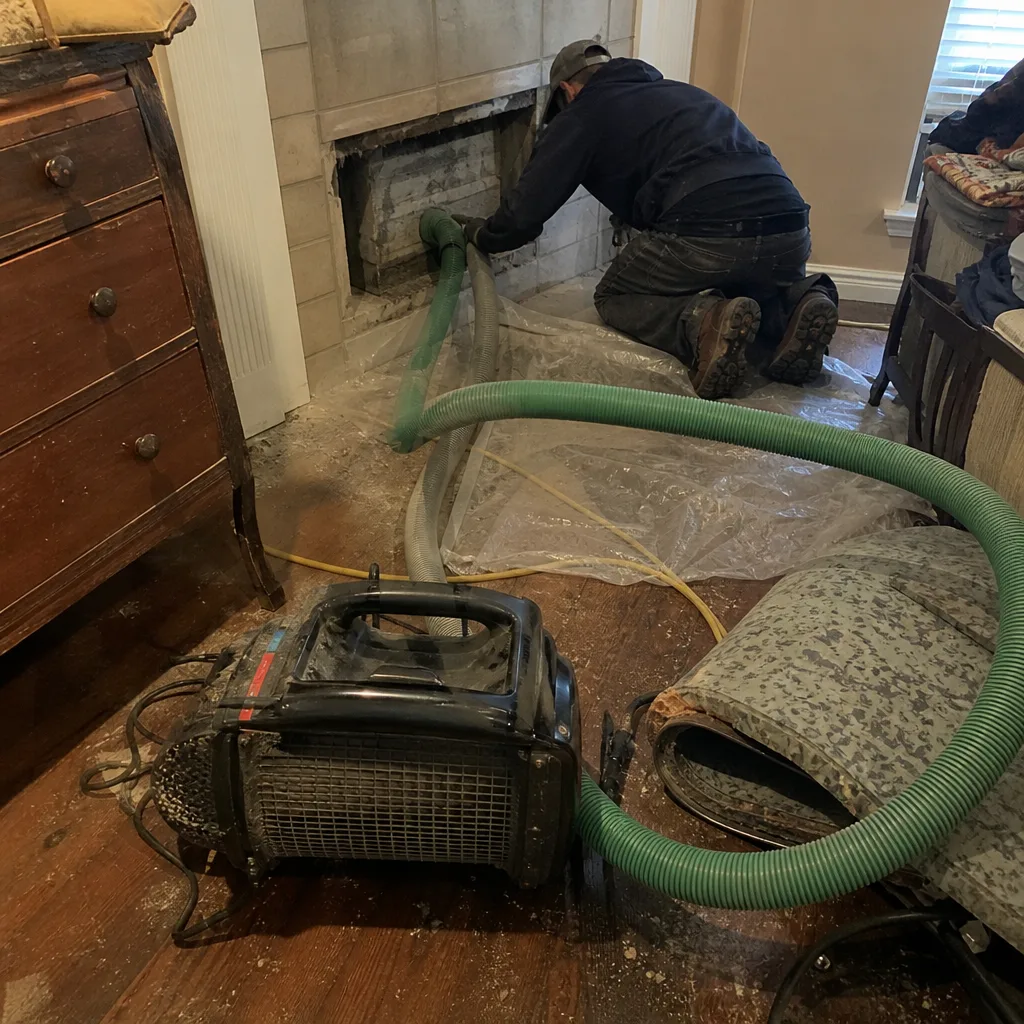
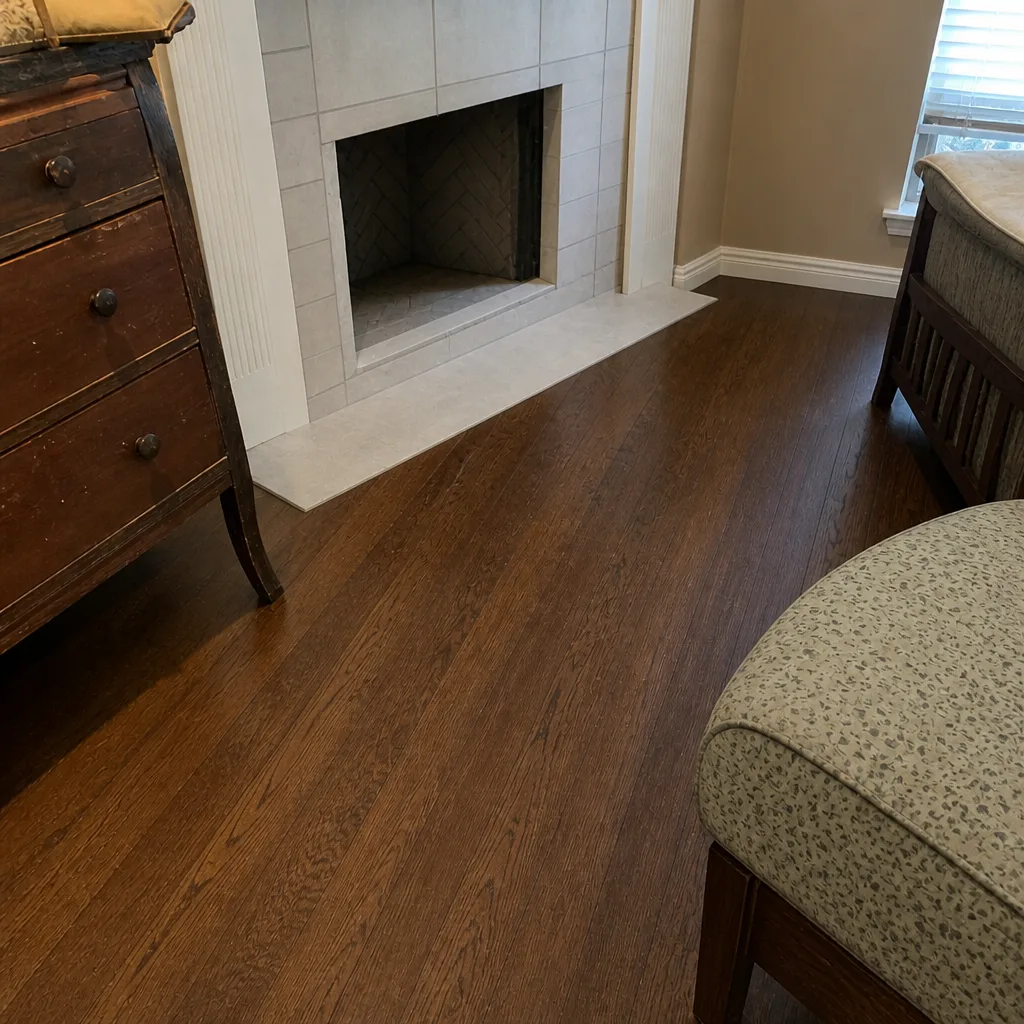
Whole-system duct and dryer vent check with before-and-after photos - you see exactly what came out of your vents
That "$99 whole-house special" is a bait ad - the real number appears once they are in your hallway, or the "clean" is a shop-vac at the register. We photograph the inside of your ducts before and after instead.
How to Hire an Air Duct Cleaning Contractor in North Dallas: A Step-by-Step Guide
Texas doesn’t require a specific license to run an air duct cleaning business. That single fact explains most of what goes wrong in this trade. Anyone can buy a van, print cards, and knock on doors in North Dallas with a shop vacuum and a coupon. The barrier to entry is that low. Which means the hiring decision itself is the quality filter. Nothing else protects you. This guide shows you how to evaluate equipment, methodology, and paperwork rather than star ratings or a logo on a brochure. Read it once and you’ll know which questions separate a contractor from an opportunist. Twenty minutes well spent.
Quick Answer
To hire an air duct cleaning contractor in North Dallas, verify five things before you book: the equipment they bring (truck-mount or high-CFM portable with HEPA exhaust filtration), the brush system they use, whether they offer camera inspection, what their written scope of work covers for the whole system rather than per vent, and whether they’ll give you before-and-after photos plus a written completion report after the job. Ask each question by phone and listen for specific answers. A contractor who can describe their negative-pressure setup and their documentation in plain terms is a different product from one who can’t.
Styles & brands we work with
- Whole-home duct cleaning
- Dryer vent cleaning
- Camera inspection
- Sanitizing & deodorizing
Table of Contents
- Why Texas Has No Duct Cleaning License (and What That Means for You)
- The Five Equipment Questions to Ask Before You Book
- What NADCA Membership Actually Verifies
- How to Structure a Comparison Quote in North Dallas
- The Three Documents to Request After the Job
- North Dallas-Specific Vetting: TDLR, Insurance, and Attic Access
- What a Contractor-Grade Cleaning Actually Looks Like
- Common Mistakes to Avoid
- When to Call a Professional
- Frequently Asked Questions
Why Texas Has No Duct Cleaning License (and What That Means for You)
Air duct cleaning in Texas doesn’t sit under a dedicated state licensing board the way electrical or plumbing work does. There’s no state exam to pass, no journeyman-to-master path, no single agency that inspects duct cleaning rigs. Any business that files a general entity registration can advertise duct cleaning in North Dallas the same week it opens. That isn’t a rumor; it’s the regulatory reality of the trade here, and it shapes everything about how you should shop.
What that means in practice is that credentials in this industry are voluntary. A contractor can hold NADCA membership, carry general liability coverage, and train on real equipment because they chose to, not because a state inspector made them. The ones who skip all of it face no penalty beyond a bad review. So the hiring process absorbs the job the state doesn’t do.
Compare it to work that is licensed. When you hire an electrician in Texas, you can look up the license, check the complaint history, and confirm the person pulling the permit. With duct cleaning, you’re doing all of that vetting yourself, using the questions in this guide. The homeowner who walks through equipment and documentation questions before booking gets a fundamentally different service than the one who books on price alone.
None of this means every unlicensed operator is bad. Plenty of skilled crews work without a state license because the state doesn’t issue one for this trade. The point is that licensing can’t be your filter here, so you need another one. That’s the rest of this guide.
The Five Equipment Questions to Ask Before You Book
Equipment is the clearest dividing line between a contractor-grade operation and a light-duty one, and it’s the easiest thing to verify over the phone. Ask these five questions and write down the answers. Vague replies are themselves an answer.
- Truck-mount or portable? A truck-mounted unit delivers far more vacuum power than a portable, and it’s the standard for whole-system cleaning. Portable units can do solid work in tight or high-rise settings, but ask what CFM rating theirs carries.
- What’s the CFM capacity? CFM is cubic feet per minute, the measure of how much air the vacuum moves. Higher CFM means more contaminant capture at the register and less dust settling back into the run.
- What brush system do you use? Rotary-brush systems like the Rotobrush line are built specifically for duct interiors. A shop vacuum with a homemade wand is a different tool entirely. Ask directly whether they use a rotary-brush system and which brand.
- Does the exhaust run through HEPA filtration? A powerful vacuum that just blows dust out the back into your hallway hasn’t cleaned anything; it’s redistributed it. HEPA filtration on the exhaust keeps what comes out of the ducts from landing on your furniture.
- Do you offer camera inspection? A camera pushed into the run lets the technician see what’s actually there and see the result after cleaning. It’s also how before-and-after evidence gets made honestly.
In our experience, a crew that uses contractor-grade gear like the Rotobrush rotary-brush system and Nikro HVAC extraction equipment can answer all five without hesitation. The answers are the product. Hold onto them.
What NADCA Membership Actually Verifies
NADCA is the National Air Duct Cleaners Association, and membership is one of the few meaningful voluntary signals in this trade. It verifies that a company has committed to the association’s assessment, cleaning, and restoration standard for HVAC systems, and that at least one person on staff has passed the association’s certification exam. That’s a real signal. It’s also not a warranty, a state license, or a guarantee of the workmanship on your particular job.
Here’s the nuance most homeowners miss. NADCA membership tells you a company knows the standard exists and has agreed to follow it. It doesn’t tell you the technician who shows up at your North Dallas house that day holds the certification, or that the truck carries negative-pressure equipment, or that you’ll get photos afterward. Those are separate questions, and you still have to ask them.
So treat NADCA as a useful positive, not a finish line. A company with NADCA membership that also answers the five equipment questions cleanly and offers documentation is a strong candidate. A company that leads with a NADCA logo but can’t tell you its CFM rating or brush type is signaling that the certification sits on a brochure, not a truck.
The same logic applies to any credential you see advertised. Ask what it verifies, by whom, and whether it applies to the crew doing the work or the company that owns the name. “Certified” on a website is a word; a verifiable standard is a fact.
How to Structure a Comparison Quote in North Dallas
Price-per-vent is a weak metric for comparing duct cleaning quotes. It encourages the contractor to count vents rather than assess the whole system, and it makes two quotes that look similar on paper cover completely different amounts of work. Air duct cleaning in North Dallas should be quoted as a flat price for the whole system, with the scope written down before the job begins.
Build your comparison quote around scope, not vent count. Ask each contractor to price the entire system and state exactly what the price includes.
- The main trunk lines and every branch run, not just the easily reached registers
- All supply and return registers and grilles, removed and cleaned
- The air handler and blower compartment, if included
- Negative-pressure containment during the job, so dust doesn’t migrate through the house
- Post-cleaning sanitizing or air filtration add-ons, priced separately rather than buried in the base
- Any repair or sealing work the cleaning exposes, with the price the contractor will charge if it’s needed
When you line up three quotes this way, the cheap one usually falls apart. The low number often covers a fraction of the runs, or counts each vent separately and lets the total swell once the technician starts. A flat price per system agreed in writing is the only number you can actually compare. Ask for it in writing, and confirm it holds after the work starts.
The Three Documents to Request After the Job
Documentation is where a professional contractor separates from an opportunistic one, and it’s the part customers forget to ask for until after the crew has driven off. Request all three before you pay, and keep them together in one folder.
- Before-and-after photos at the plenum and the returns. The plenum is the main distribution box off the air handler, and the returns are where air comes back. Photos there show what was actually in the system and what it looks like after. It’s the fairest evidence you can get without pulling duct apart yourself.
- A written scope-completion statement. This is a short document listing every task the crew performed and confirming it was done: trunk cleaned, branches cleaned, registers removed and cleaned, containment used, sanitizer applied. It turns a verbal “we did it all” into a record.
- Filter condition notation. Whoever cleans the system is looking at your air filter and knows its state. Ask for a line on the report saying what condition it was in and when it should be checked again. This feeds directly into the filter replacement schedule you should already be keeping.
Any of these can be a photo set on a phone and a one-page printed statement. The format doesn’t matter. The habit does. A contractor who shows you the inside of your own ducts, before and after, is showing you the work. That’s the transparency standard to hold for.
North Dallas-Specific Vetting: TDLR, Insurance, and Attic Access
Beyond equipment and paperwork, a few local checks apply specifically in North Dallas. The Texas Department of Licensing and Regulation licenses certain related trades even when it doesn’t license duct cleaning itself, so it’s worth a look at what a company’s name turns up with the department. If the business also offers related licensed work like HVAC service, the license holder and complaint history live there and are worth reviewing before you book.
The second local check is general liability coverage. Duct work in North Dallas frequently means a technician in the attic, and attic access across older and newer neighborhoods here involves working around insulation, wiring chases, and roof deck framing. Ask for a certificate of insurance showing general liability coverage and confirm the policy is current. A contractor who can’t produce it is asking you to carry a risk you didn’t agree to. Our technicians have up to 10 years of experience, and it’s the kind of thing a trained crew is careful about, but the certificate is still the right document to ask for.
Third, ask about containment when the system serves an attic-mounted air handler. Removal of insulation and re-entry into an attic during cleaning can dislodge dust that finds its way into the return. Negative-pressure equipment like Abatement Technologies units is built to keep that capture inside the work zone.
A last practical note on neighborhoods: housing stock in North Dallas spans ranch-era homes and newer builds, and duct layouts differ enough that a contractor should assess your specific system rather than quote blind over the phone. Ask whether they’ll walk the system before a firm number is given.
What a Contractor-Grade Cleaning Actually Looks Like
A real duct cleaning job in North Dallas follows a method, not a rhythm. Understanding the method lets you spot a light-duty job pretending to be a thorough one. Here’s what a proper service looks like from the homeowner’s side.
First, the crew assesses the system. They open registers, look at the air handler, and confirm the duct type. This is where a good contractor notices flex duct versus rigid, seals versus leaks, and whether a return is pulling from an enclosed cavity. Then they set up containment so dust stays put while the work happens.
Next comes agitation. A rotary brush runs through each run to break the bonded dust off the duct walls. Vacuum alone won’t do it; the dust clings. This is why the brush system matters and why a company using a vacuum and a wand alone is charging for half a job.
Then extraction: the vacuum pulls the loosened material out, and HEPA filtration on the exhaust keeps the fine particles out of your room air. The crew checks the result with a camera. Then they sanitize, if that was agreed, and address the air quality side of the job. This is where we can recommend whole-home filtration from Honeywell or Aprilaire, so a homeowner who wants a real upgrade gets it as part of the service instead of shopping for it separately.
Finally they repair or seal what the cleaning exposed. Loose joints and compromised runs get addressed rather than left for the next contractor. That’s the full lifecycle: clean, sanitize, repair, seal. The companies that stop after the first step are the ones you’ll hire twice. For a deeper look at each stage, see our guide to air duct cleaning.
Common Mistakes to Avoid
- Booking on the coupon price alone. A deeply discounted headline number rarely survives contact with the job. It’s the number that can turn into a far larger invoice once the technician is on site and finding reasons to add scope.
- Assuming a license means quality. Texas doesn’t license duct cleaning as its own trade, so a license check won’t filter anyone out. You have to vet equipment and documentation instead.
- Skipping the insurance question. Attic access in North Dallas makes general liability coverage a real requirement, not a formality. Ask for the certificate before the crew arrives.
- Comparing quotes by vent count. Per-vent pricing rewards contractors for doing less per run. Compare the whole-system scope and the flat price instead.
- Not asking about exhaust filtration. A powerful vacuum without HEPA filtration on the exhaust just moves the dust through the house. Confirm the filtration before the job.
- Paying before the documents land. Request the photos and the written completion statement before the check goes out. The paperwork is part of the work.
- Forgetting the dryer vent. If you’re booking duct work, ask whether dryer vent cleaning is included or offered separately. A clogged dryer vent is a distinct fire risk, and it deserves a dedicated service rather than a passing glance.
When to Call a Professional
Call a professional when the system is showing signs that dust is more than surface level: consistent visible dust settling on surfaces shortly after you clean, musty or stale smell coming from the registers when the system kicks on, allergy symptoms that flare indoors and quiet down outside, or a recent renovation that put drywall dust into the returns. Those situations call for real containment and extraction equipment, not a shop vacuum.
You should also call a professional before you book anyone, for a free estimate and a walkthrough of the system. Pick up the phone and ask the equipment questions in this guide. The answers tell you a lot. Air Duct Cleaning North Dallas offers free estimates in North Dallas – call (833) 482-6392. We answer 24/7. Fast dispatch from 7am to 7pm, Sunday through Friday. Call (833) 482-6392 for an exact quote – estimates are free.
Frequently Asked Questions
Air duct cleaning in North Dallas typically runs about $400 to $900 for a whole-house system, and the written estimate sets the final price. The range depends on the number of runs, the system layout, and whether sanitizing or sealing is added. Call (833) 482-6392 for an exact quote – estimates are free.
Cheap quotes are usually cheap because the scope is thin: fewer runs cleaned, no containment, no HEPA filtration on the exhaust, and no post-job documentation. A low per-vent price often grows once the technician is on site. Ask for a flat price for the whole system in writing, and compare what each quote actually includes. Call (833) 482-6392 for a straight answer on scope.
Ask for before-and-after photos at the plenum and the returns, a written scope-completion statement, and a note on your filter’s condition, all before you pay. A contractor with nothing to hide will hand these over. A contractor who stalls on the paperwork is telling you something. Call (833) 482-6392 if you want a walkthrough of what a proper report includes.
Most homes do fine with duct cleaning every few years, and some need it sooner after a renovation, a pet addition, or a visible dust problem that won’t clear. The honest answer is on a case-by-case basis, not a fixed schedule sold over the phone. Ask for an assessment rather than a subscription pitch. Call (833) 482-6392 for a free estimate in North Dallas.
Texas doesn’t issue a license specifically for air duct cleaning, so there’s no state credential to check for that trade. That’s why verifying equipment, insurance, and documentation matters more here than in licensed trades. Ask for a general liability certificate and a description of the equipment used. Call (833) 482-6392 and we’ll tell you exactly what we bring to a HVAC cleaning job.
No. Dryer vent cleaning is a separate pathway with its own fire risk, and it should be quoted and treated as its own service. Ask your contractor whether they handle it or whether you need a second provider. If you’re booking a full system service, it’s worth asking about both at once. Call (833) 482-6392 to ask what’s included.
The Bottom Line
Hiring a duct cleaning contractor in North Dallas comes down to five equipment questions, a whole-system flat price in writing, and three documents after the job. The lack of a state license for this trade means those checks are the filter, and the filter matters more than any coupon. A contractor who can explain their CFM rating, their brush system, their HEPA exhaust filtration, and their negative-pressure setup is offering a different product from one who can’t. Ask the questions, request the photos, and hold the line. The right crew will welcome all of it.
Ready to book a real assessment? Call (833) 482-6392. We answer 24/7. Fast dispatch from 7am to 7pm, Sunday through Friday. Estimates are free, and we’ll walk you through the system before a price is set. For the full picture of what our service covers, start at Air Duct Cleaning North Dallas.
Written by the team at Air Duct Cleaning North Dallas.
See the difference
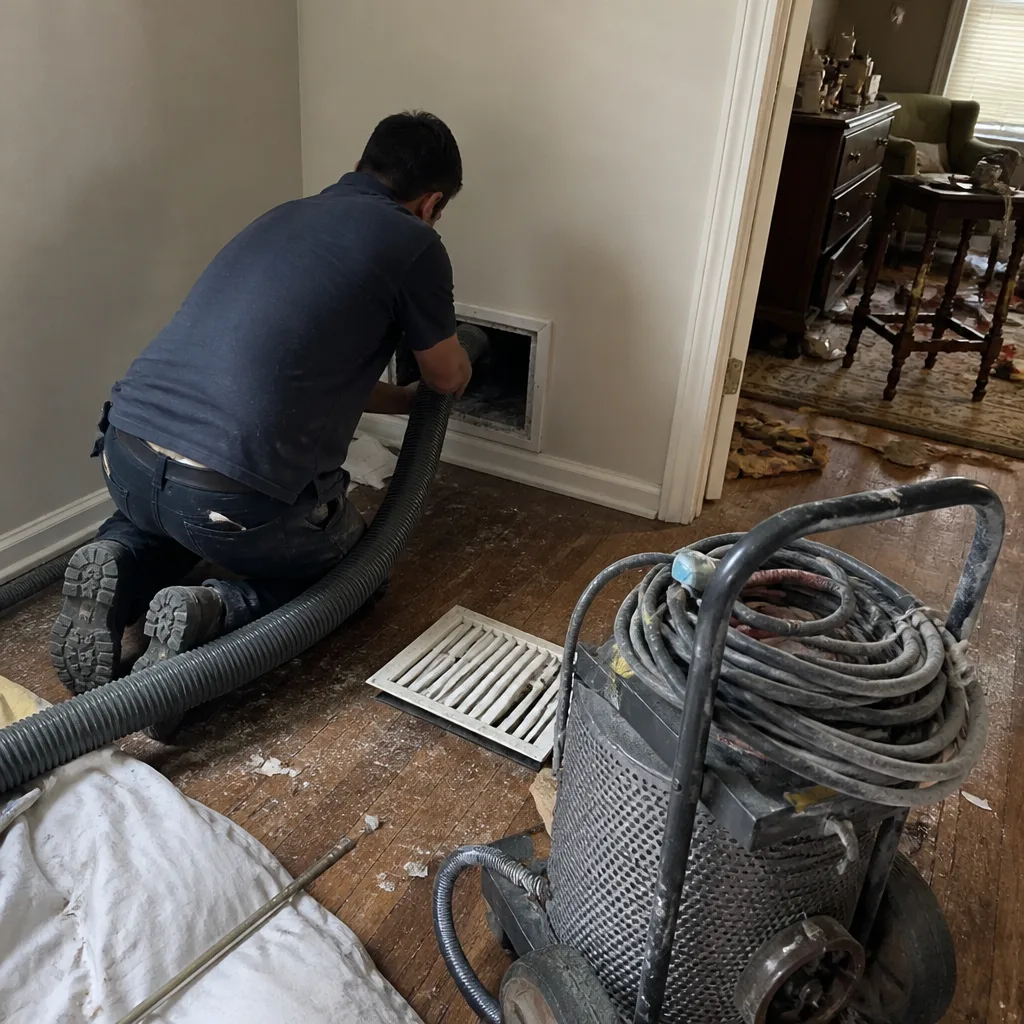 Before
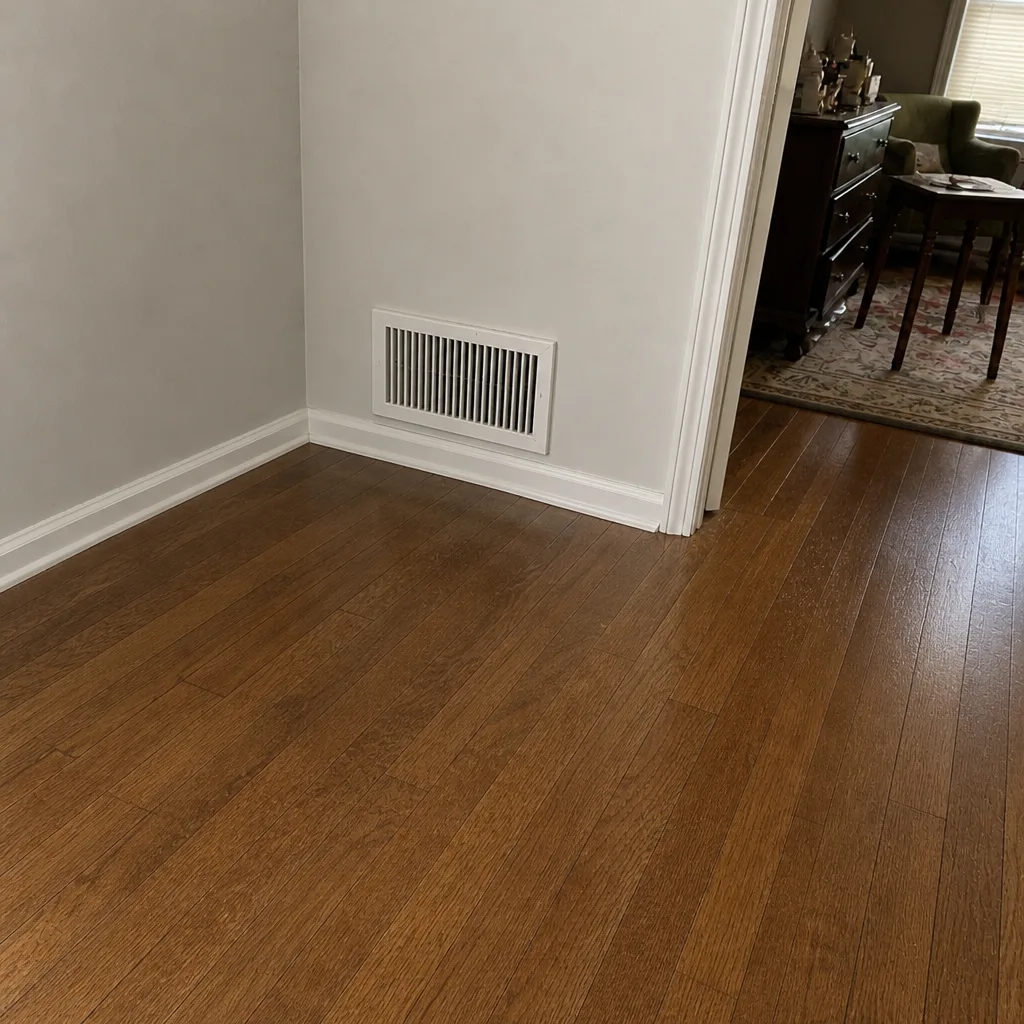 After
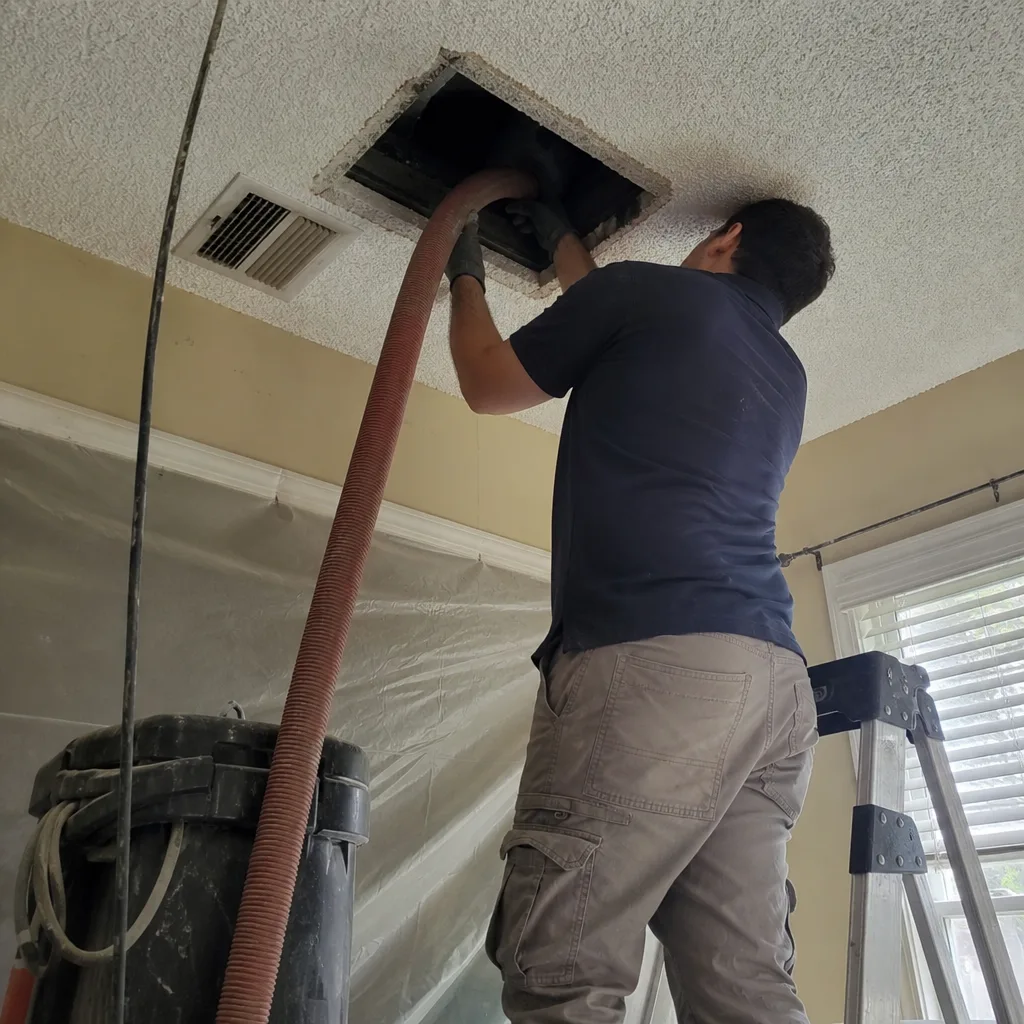 Before
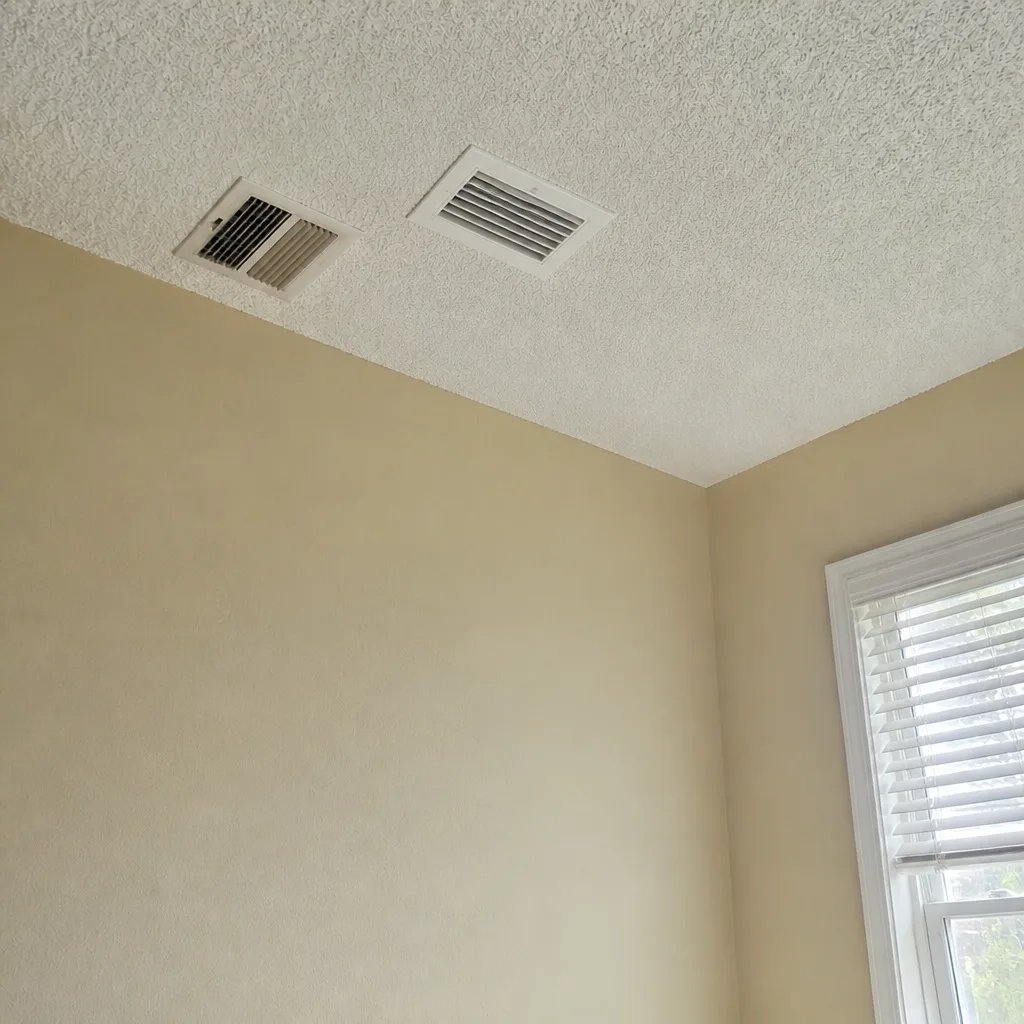 After
 Before
 After