
Last updated November 23, 2026
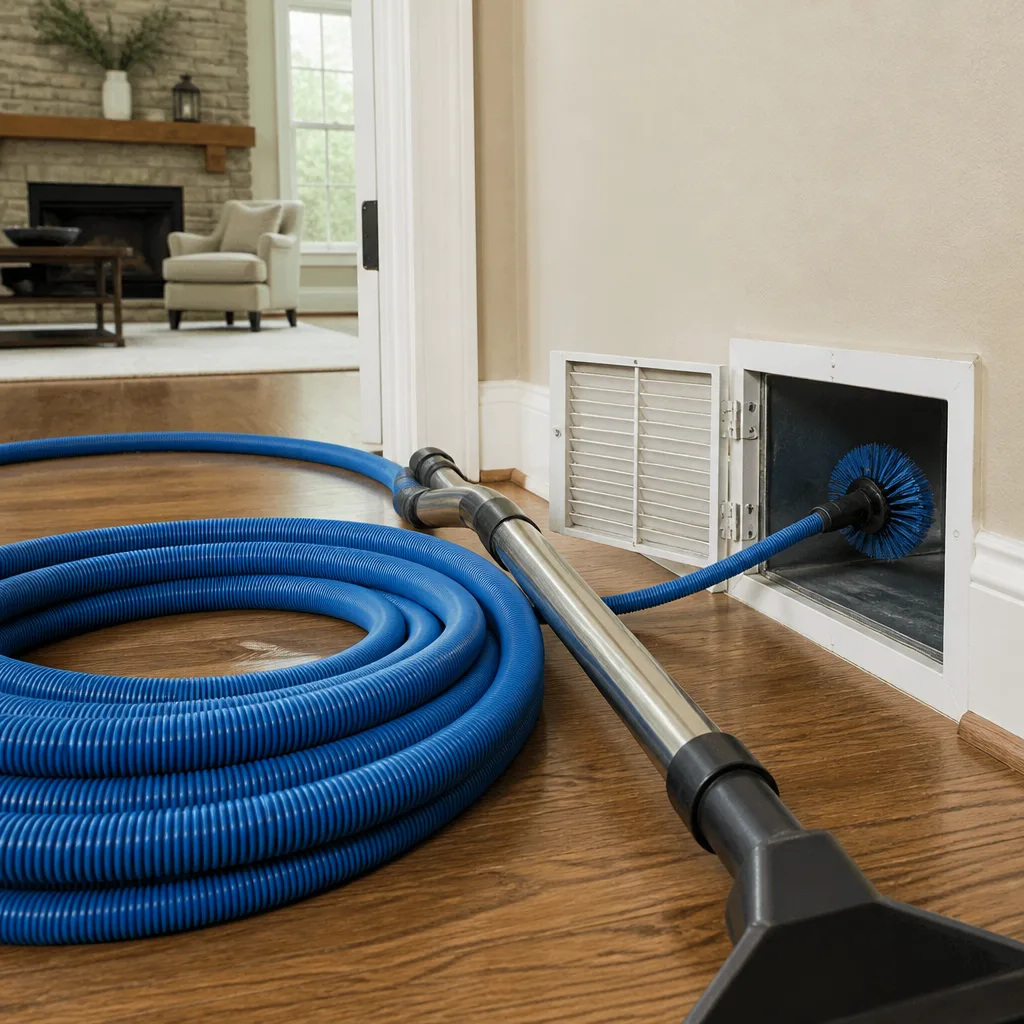 Whole-home duct cleaning
 Dryer vent cleaning
 Camera inspection
 Sanitizing & deodorizing
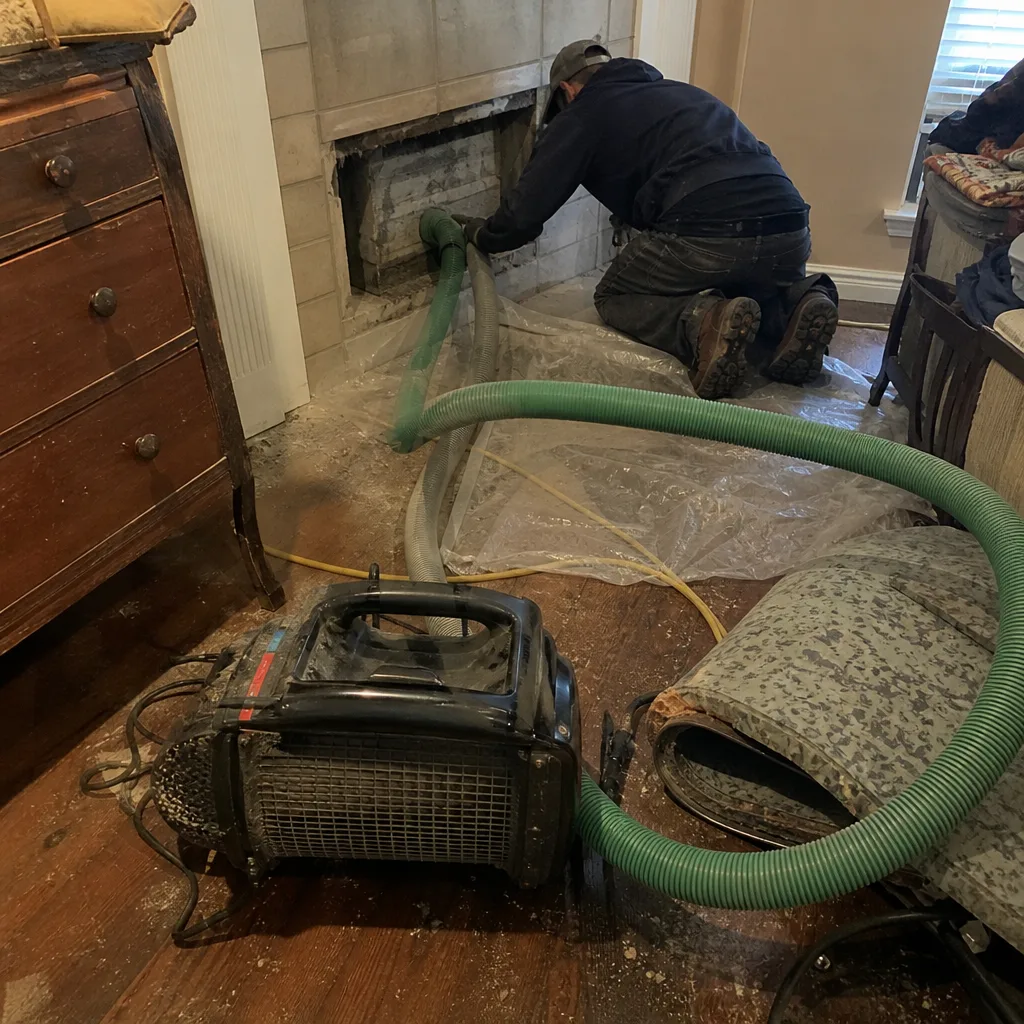
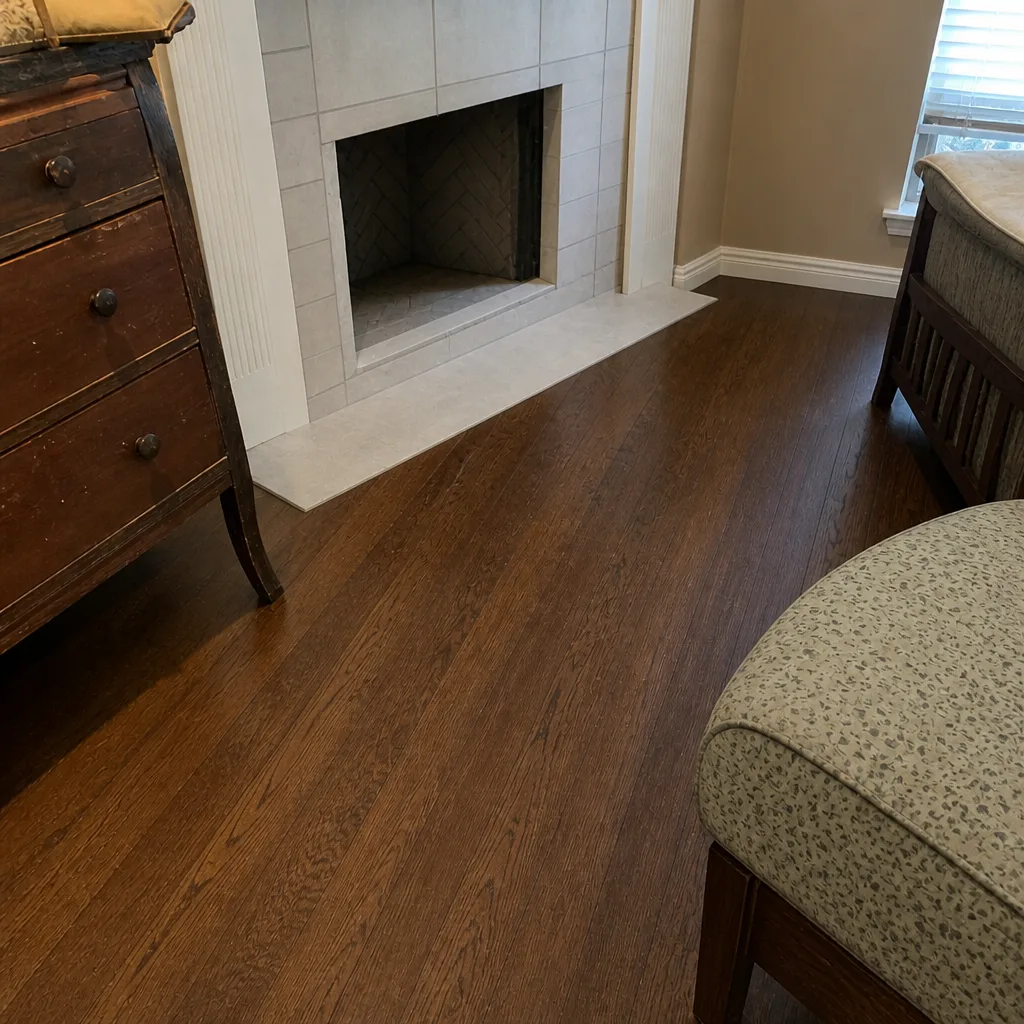
Whole-system duct and dryer vent check with before-and-after photos - you see exactly what came out of your vents
That "$99 whole-house special" is a bait ad - the real number appears once they are in your hallway, or the "clean" is a shop-vac at the register. We photograph the inside of your ducts before and after instead.
Seasonal Air Duct Cleaning Care for North Dallas: Year-Round Homeowner’s Guide
Most homeowners in North Dallas clean their ducts on a fixed calendar they heard somewhere: every three to five years, no matter what. That advice was written for a climate with four even seasons. We don’t have four even seasons here. What we have is a long cooling stretch, a sharp cedar pollen window in the middle of winter, several weeks of heating that recirculates air at low volume, and then a sudden switch back to AC in April. Each of those periods loads your ductwork in a different way. This guide explains that pattern, shows you which windows are worth a full cleaning and which just need an inspection, and tells you what to check before the system starts working hard again.
Everything below is written for North Dallas homes specifically, from a business that works in this market and knows what its attics and pollen counts do to flex duct and filters.
Styles & brands we work with
- Whole-home duct cleaning
- Dryer vent cleaning
- Camera inspection
- Sanitizing & deodorizing
Quick Answer
In North Dallas, the single highest-value time to clean your air ducts is late March through April, just before the cooling season begins, because that removes the winter particulate load before thousands of hours of AC runtime push it into your living space. A lighter post-summer inspection in the fall, filter attention during the December to February cedar window, and a humidity check on attic flex duct in summer round out the year. Full cleaning every three to five years is a rough average, not a schedule; this climate asks you to respond to seasons instead.
Table of Contents
- Why North Dallas Doesn’t Run on Four Equal Seasons
- The Cedar and Oak Pollen Window: December Through February
- Pre-Cooling Season (March-April): The Highest-Value Cleaning Window
- Summer Humidity, Attic Heat, and Flex Duct Integrity
- The Fall Transition: Inspect Before You Clean
- Winter Heating Season: Low Volume, High Concentration
- A Year-Round Duct Care Calendar for North Dallas
- How to Tell Whether You Need Cleaning or Something Else
Why North Dallas Doesn’t Run on Four Equal Seasons
The “clean every three to five years” rule treats all months as equal. In North Dallas they aren’t. The cooling system usually carries the majority of the year’s air movement, the heating system runs for a much shorter and gentler stretch, and pollen season arrives in the middle of the heating stretch, which is the worst possible combination for your ducts.
Here’s the difference in practical terms. During AC season, air moves constantly at higher volume. Fine particles get carried along and often caught by the filter before they settle. During heating season, the blower runs less and the air moves more slowly. Fine particles that enter the return have more time to settle out and compact against duct liner and the walls of the trunk. That compacted layer doesn’t blow around while the system is idle. It sits there.
Then the season changes. The AC comes on in April, the blower pushes thousands of cubic feet per minute through the same ducts, and the settled material re-enters the air stream. What you smell or see as a “sudden” dust problem in early summer usually started settling months earlier. In our experience, the homes that feel dustiest in June are the ones that had no attention paid to the ducts in January and February.
This is why a seasonal framework beats a fixed interval for North Dallas homes. You’re not cleaning more often. You’re cleaning at the right time so each job protects you through the season that follows it.
The Cedar and Oak Pollen Window: December Through February
Mountain cedar peaks in Collin and Dallas counties between December and February, and that timing collides with the moment North Dallas homes switch into heating mode. Lower air volume plus heavy outdoor pollen plus windows and doors cycling means fine pollen particles enter the return, drift through slower-moving air, and settle in duct liners rather than being carried out. Oak pollen arrives as the season turns, and the two together load the system at exactly the point when it is moving the least air.
Two things make a real difference during this window, and neither is a full duct cleaning.
- Upgrade filtration for the peak weeks, then plan to change it. A higher-MERV filter during peak pollen captures more of the fine particles before they reach the duct interior. The catch is pressure drop: as the filter loads, airflow falls and the system works harder. Check it more often than usual in January and February and change it when it loads, not on a fixed date.
- Verify the filter is actually sealing. Filter bypass is the quiet problem. If air can go around the edges of the filter instead of through it, unfiltered air carries pollen and dust straight into the return plenum and the duct liner. Look for gaps around the frame, a filter that sits loose in its channel, or a slot that’s larger than the filter that’s in it. Sealing that gap costs little and protects the ducts all year.
Does a higher MERV rating always mean better?
No. A filter that’s too restrictive for your blower can reduce airflow enough to affect performance and comfort. The right rating depends on your system, its blower, and how the filter frame is built. We’d rather see a well-sealed moderate-MERV filter than a poorly fitted high-MERV one that starves the system. If you’re not sure what your equipment can handle, that’s a conversation worth having before cedar season, not during it.
Pre-Cooling Season (March-April): The Highest-Value Cleaning Window
Late March through April is the best time of year to book air duct cleaning in North Dallas. You are removing the winter particulate load before the cooling season begins, so you’re not paying to clean ducts that are about to get thousands of hours of runtime redistributing whatever settled during the heating months. Clean before the heavy cycle, not after it.
What we do in that window matters as much as when. Contractor-grade equipment changes the outcome. A light-duty vacuum pulls loose surface dust; it doesn’t dislodge the compacted layer that forms over a winter of low-volume airflow. That material needs agitation and sustained negative pressure at the same time.
- Rotobrush rotary-brush system. A rotating brush agitates the duct wall while the vacuum pulls the loosened material out. We run it on every duct cleaning job because settled debris doesn’t come off a liner with suction alone.
- Nikro HVAC cleaning equipment. The same category of hardware commercial and remediation contractors specify, built for sustained extraction rather than a quick pass.
- Abatement Technologies negative-air and filtration equipment. Containment is the part homeowners never see and should ask about. Negative pressure keeps loosened contaminants in the duct and out of your living room while the work is happening.
- Guardsman-grade protective products in the finishing and sanitizing steps, so what’s left behind after cleaning is treated, not just disturbed.
If March and April book out, early May still works, but the earlier you get in the better the result. The point is to be clean before 2,400 or more hours of cooling runtime begins moving air through your home day and night.
Summer Humidity, Attic Heat, and Flex Duct Integrity
North Dallas attics get brutally hot in summer, well above 140°F on the worst days, and most homes here run a good share of flex duct through that space. Heat alone doesn’t destroy flex duct, but heat plus time plus a compromised outer jacket does. Before the system runs continuously in June, it’s worth knowing what condition your duct is in.
What to have checked before cooling season
- The outer vapor jacket. A tear or a rubbed-through spot lets attic air contact the insulated duct. That’s a performance loss and, in humid months, a condensation risk. Small jacket damage is repairable; ignored jacket damage usually isn’t the end of it.
- Sagging runs and crushed sections. Flex duct that sags or gets pinched behind a platform restricts airflow and creates low spots where moisture and dust collect. Supports matter.
- Joints and connections. Loose connections at boots, plenums, and takeoffs leak conditioned air into the attic and pull attic air into the system. This is where Air Duct Cleaning North Dallas and our sealing work often meet: a cleaning that exposes a leaking joint should end with that joint sealed, not just noted.
- The drain pan and primary drain line. An overflowing pan or a slow drain is a moisture source near the air handler. Summer humidity handling is part of duct health, and a wet air handler is the start of a bigger problem.
We seal what’s leaking and sanitize what’s left behind as a normal part of a job, because cleaning a duct system and leaving the leaks is only half the work. If you want a deeper look at what whole-system cleaning covers, our page on HVAC cleaning explains the equipment side.
The Fall Transition: Inspect Before You Clean
Fall is the one season where we usually recommend an inspection rather than a cleaning. After a long cooling season, you want to know what the summer did: did any jacket fail, did dust load build up at the returns, did the blower cabinet get dirty, did condensation leave any sign behind. An inspection answers that. Paying for a full cleaning every autumn, on top of a spring cleaning, is usually money spent too soon.
The decision turns on specific indicators rather than a calendar date:
- Visible dust streaks at the supply registers within days of cleaning them
- A musty or stale smell that appears when the system first comes on
- Dust buildup visible inside the return grille or on the blower wheel
- A recent renovation, drywall work, or a filter that was left out by mistake
- Allergy symptoms that worsen indoors rather than outdoors
- Any sign of moisture, staining, or condensation in the air handler area
Two or three of those together tip the decision toward remediation. None of them usually means “wait until spring.” North Dallas homes that run a solid spring cleaning and a fall check tend to need less work overall than homes that skip the check and book a cleaning when something smells wrong.
Winter Heating Season: Low Volume, High Concentration
Once the heating season settles in, the system runs less and moves less air. That combination makes the ducts a settling chamber rather than a transport system. Fine debris that enters the return settles and compacts against the duct liner. Nothing about that is visible, and nothing about it is urgent, which is exactly why it gets ignored until spring.
What winter means for households with allergy or asthma diagnoses
This is the group where the settling effect has the most consequence. A person with a diagnosed respiratory condition spends more time indoors in winter, often in a house with windows closed and the system recirculating air. If a fine layer has been building in the liner since December, the heating cycle keeps it in the living environment at low concentration but continuous exposure. Reducing that load before the heavy cooling season is the practical move. We’re not making a medical claim and we’re not a health service; we’re pointing out that for a sensitive household, the calendar matters more, not less.
Winter is also a good time to ask about a whole-home filtration upgrade at the point of service rather than as a separate project. We work with Honeywell and Aprilaire product lines, so if a filter frame or media cabinet is the weak link, it can be addressed when we’re already in the system. And winter is when a lot of people notice a slower, weaker dry cycle in the laundry room. That’s not a duct-cleaning issue, it’s lint in the exhaust line, and it belongs with dryer vent cleaning rather than an AC appointment. Lint in that line is a fire pathway, not a bonus add-on to a duct job.
A Year-Round Duct Care Calendar for North Dallas
Here’s the framework in one place. Treat it as guidance, not law; a home with pets, a recent renovation, or a family member with asthma can justify more attention in any window.
- December through February (cedar and oak pollen): Check and change the filter more often than usual, confirm the filter seals properly with no bypass, keep returns clear.
- Late March through April (pre-cooling): Book a full cleaning. This is the highest-value window of the year. Remove the winter load before the cooling season starts running the system hard.
- May through September (cooling season): Have attic flex duct jacket, sagging runs, and connections checked before continuous runtime. Watch for musty smell at startup. Keep the drain line clear.
- October through November (fall transition): Inspect rather than clean. Decide based on indicators, not on a date.
- December, second pass: A dryer vent cleaning once a year, more often with a large household or heavy laundry habits.
That’s five touchpoints across twelve months, and only one of them is typically a full cleaning. The framework protects the system without selling you the same job twice in a season.
How to Tell Whether You Need Cleaning or Something Else
Not every air quality complaint is a duct cleaning job. Some are filter problems, some are sealing problems, some are moisture problems that cleaning will not fix. Matching the right service to the symptom saves money and actually solves the issue.
- Uniform fine dust on every surface, clearing briefly after a cleaning: usually a filtration or sealing problem, not a duct interior problem.
- Dust concentrated at two or three registers: often a leak or a disconnected run serving those rooms.
- Musty smell at system startup that fades: standing moisture or microbial growth, which calls for sanitizing and a moisture fix, not just a brush pass.
- Slower laundry drying with a warm dryer body: lint restriction in the exhaust line. That’s dryer vent cleaning territory, and it should be handled promptly.
- Dust after a renovation: construction particulate, which a cleaning handles well, ideally with containment.
When we arrive for an estimate, we look at the whole picture before recommending anything. That’s the reason we cover cleaning, sanitizing, repair, and sealing as one scope: fixing what cleaning exposes shouldn’t require a second contractor. Call (833) 482-6392 for a free estimate. We answer 24/7. Fast dispatch from 7am to 7pm, Sunday through Friday.
Common Mistakes to Avoid
- Cleaning on a fixed interval instead of a climate pattern. The “every three to five years” rule ignores the cedar window and the pre-cooling window. In North Dallas, timing the cleaning matters as much as doing it.
- Skipping the filter seal check. A high-MERV filter that doesn’t seal is worse than a moderate filter that does, because unfiltered air goes around it and straight into the duct liner.
- Cleaning in late fall as a reflex. If you cleaned in spring, a fall full cleaning usually spends money too soon. Inspect, and clean only when the indicators say so.
- Ignoring attic flex duct before summer. A torn outer jacket is repairable. Left through a full cooling season, it usually becomes a bigger job.
- Cleaning without sealing the leaks it exposes. A cleaning that finds a disconnected run and leaves it disconnected is incomplete work.
- Treating the dryer vent as an add-on. It’s a separate fire pathway and deserves its own attention, once a year at minimum.
When to Call a Professional
Call for an inspection when you notice a musty smell at system startup, dust returning to registers within days, visible buildup inside the return grille or on the blower wheel, or a recent renovation that introduced fine dust into the system. Call promptly if the dryer takes far longer than it used to or the dryer body feels warm in use, since lint restriction is a fire risk and doesn’t clear itself. Call before cooling season starts if your attic flex duct runs are older or you’ve never had the jacket and connections checked. For households with allergy or asthma diagnoses, the pre-cooling window in late March and April is the one to plan around. Air Duct Cleaning North Dallas offers free estimates in North Dallas. Call (833) 482-6392. We answer 24/7. Fast dispatch from 7am to 7pm, Sunday through Friday.
Frequently Asked Questions
It depends on the size of the system, the number of runs, and whether repair or sealing is needed on top of cleaning. We estimate per job, in writing, from the specifics of your home rather than from a coupon figure. That’s the whole reason we don’t post a per-vent price: the jobs it hides are the ones that grow. Call (833) 482-6392 for an exact quote, estimates are free.
Usually because the equipment and the scope are different. A light-duty vacuum and a quick pass is not the same job as rotary-brush agitation with sustained negative pressure and containment. Ask any contractor what equipment they’re bringing and whether they contain the work area. If the answer is vague, you’re being quoted for a different service. Call (833) 482-6392 and we’ll explain exactly what our scope includes.
Ask to see it. Before-and-after photos of your own ducts, taken during the job, are the clearest proof, and any contractor confident in the work should be willing to provide them. We photograph the work as a standard part of the job for that reason.
Not on a fixed interval. The climate here loads ducts unevenly: heavy in the cedar window, heavy through cooling season, light in winter. A cleaning in late March through April, plus a fall inspection, covers most North Dallas homes well and often costs less over time than a blind schedule. Call (833) 482-6392 if you want to talk through your specific situation.
Removing the settled pollen load from the ducts reduces what the system redistributes into your living space, which many people notice, especially in the first weeks after a cleaning. We’re not a medical service and make no health claims. Pair the cleaning with proper filter sealing and a sensible filter rating for your system. Call (833) 482-6392 for a free estimate.
Yes. We cover cleaning, sanitizing, repair, and sealing as one scope, so a torn jacket, a leaking joint, or a disconnected run found during cleaning can be addressed in the same visit rather than handed off to another contractor. That’s by design, not an upsell. Call (833) 482-6392 to schedule an estimate.
The Bottom Line
North Dallas doesn’t need four equal seasons of duct care, and it doesn’t need a fixed three-to-five-year rule that was written for a different climate. It needs attention in the right windows: a filter check and seal during the December to February cedar stretch, a full cleaning in late March through April before the cooling season starts, an attic flex duct and connection check before summer runtime, an inspection rather than a cleaning in fall, and a separate, on-schedule dryer vent service. That framework protects the system, keeps the load down where it matters most, and avoids paying for the same job twice. Contractor-grade equipment, residential pricing, and a written estimate before any work starts. When you’re ready to plan the season, call us.
Call (833) 482-6392 for a free estimate. We answer 24/7. Fast dispatch from 7am to 7pm, Sunday through Friday.
Written by the team at Air Duct Cleaning North Dallas.
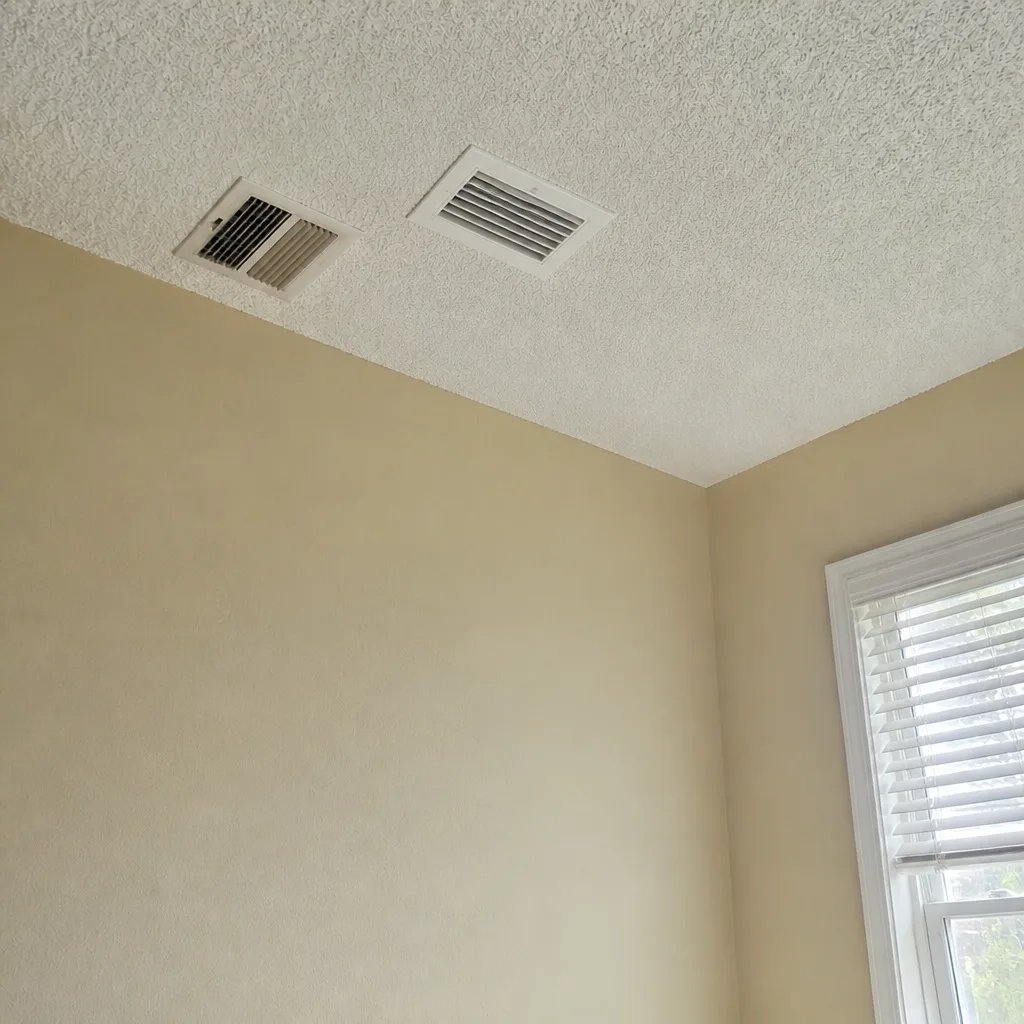
See the difference
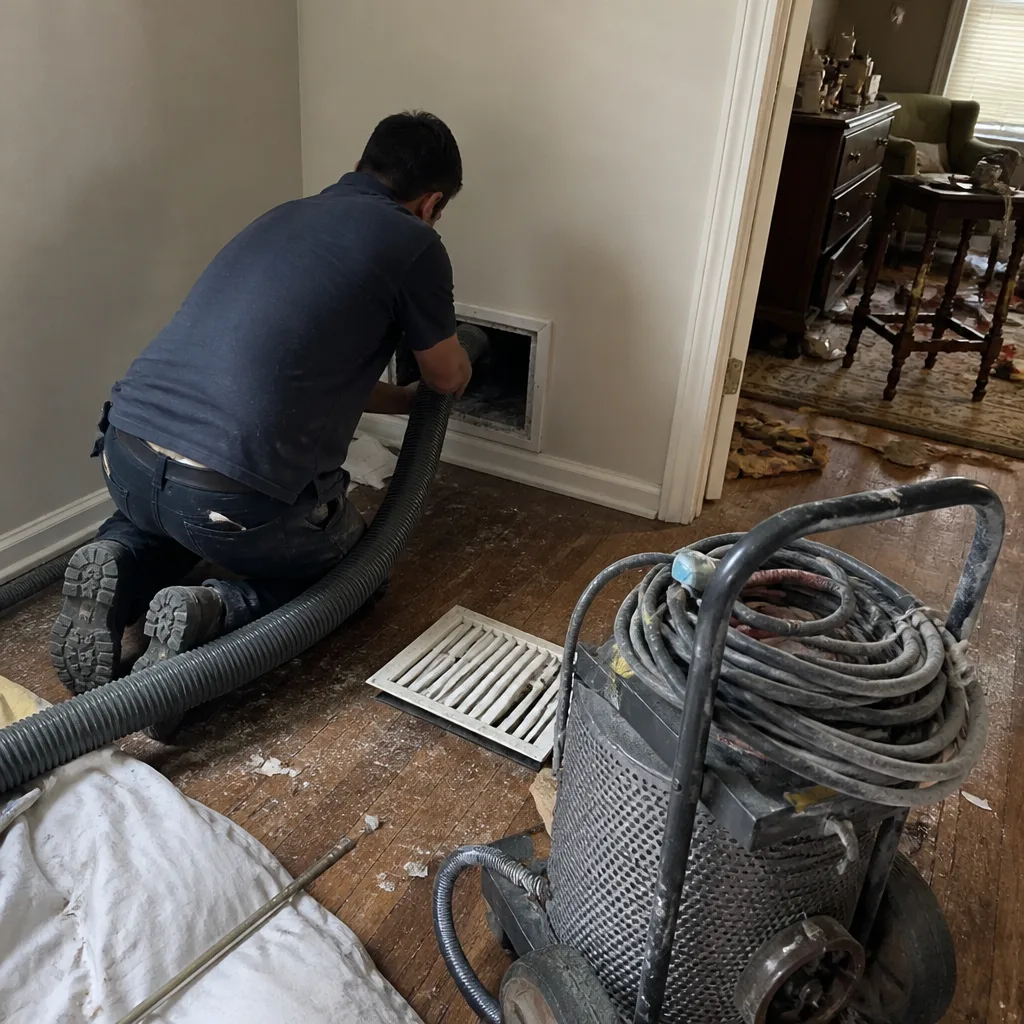 Before
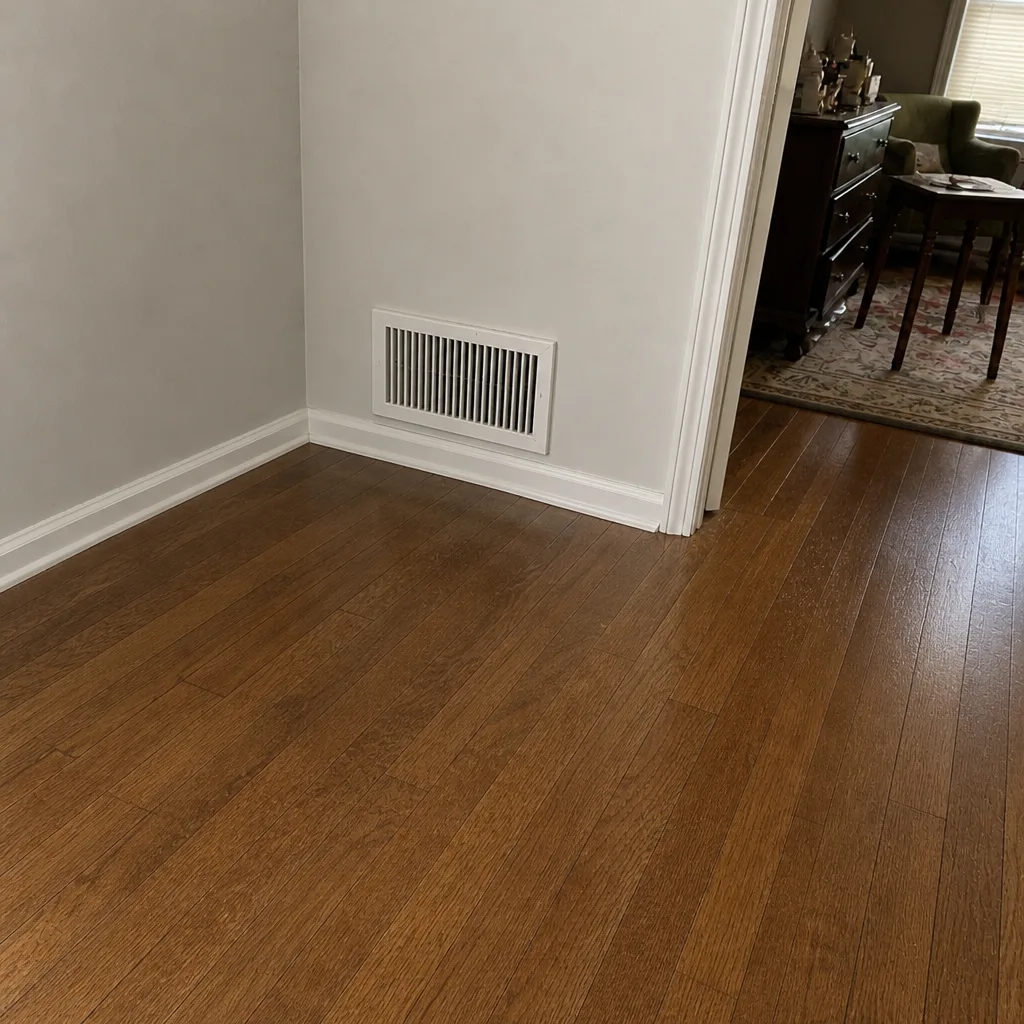 After
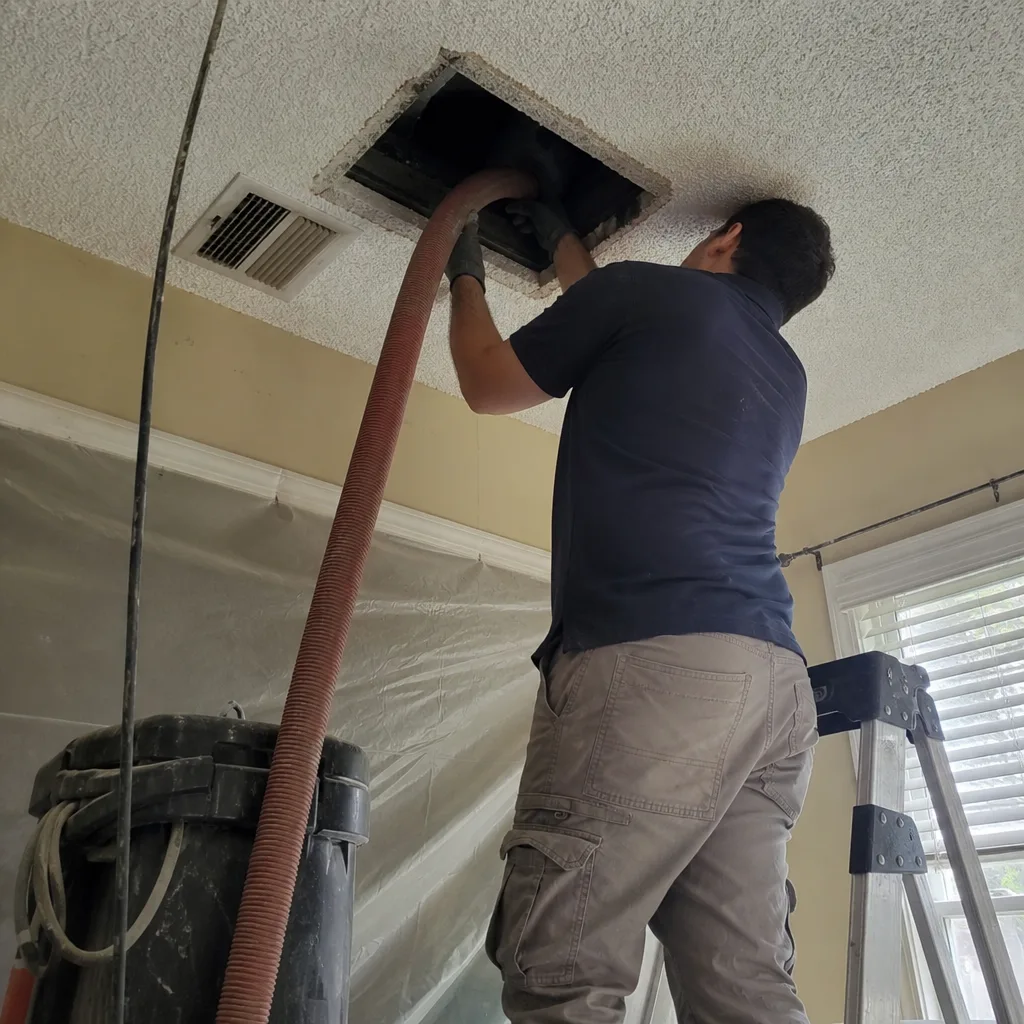 Before
 After
 Before
 After