
Last updated November 23, 2026
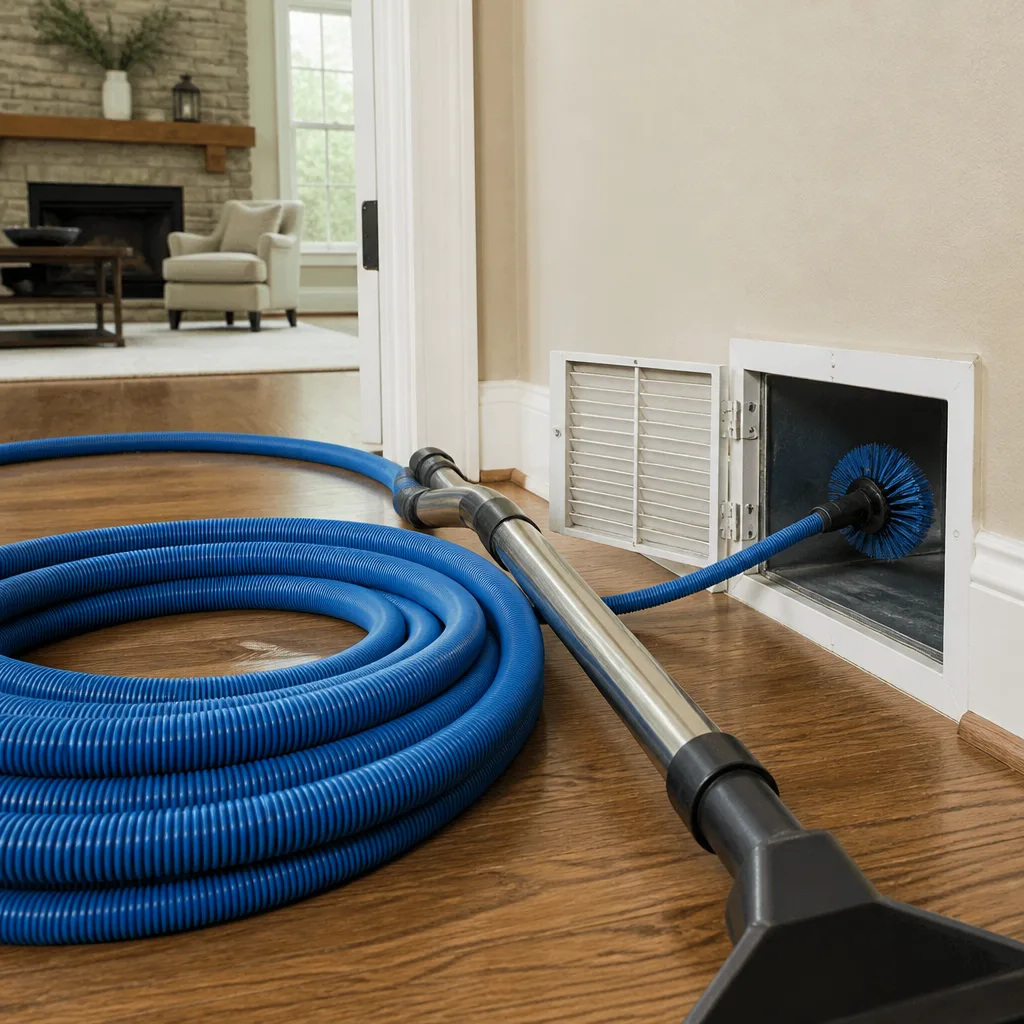 Whole-home duct cleaning
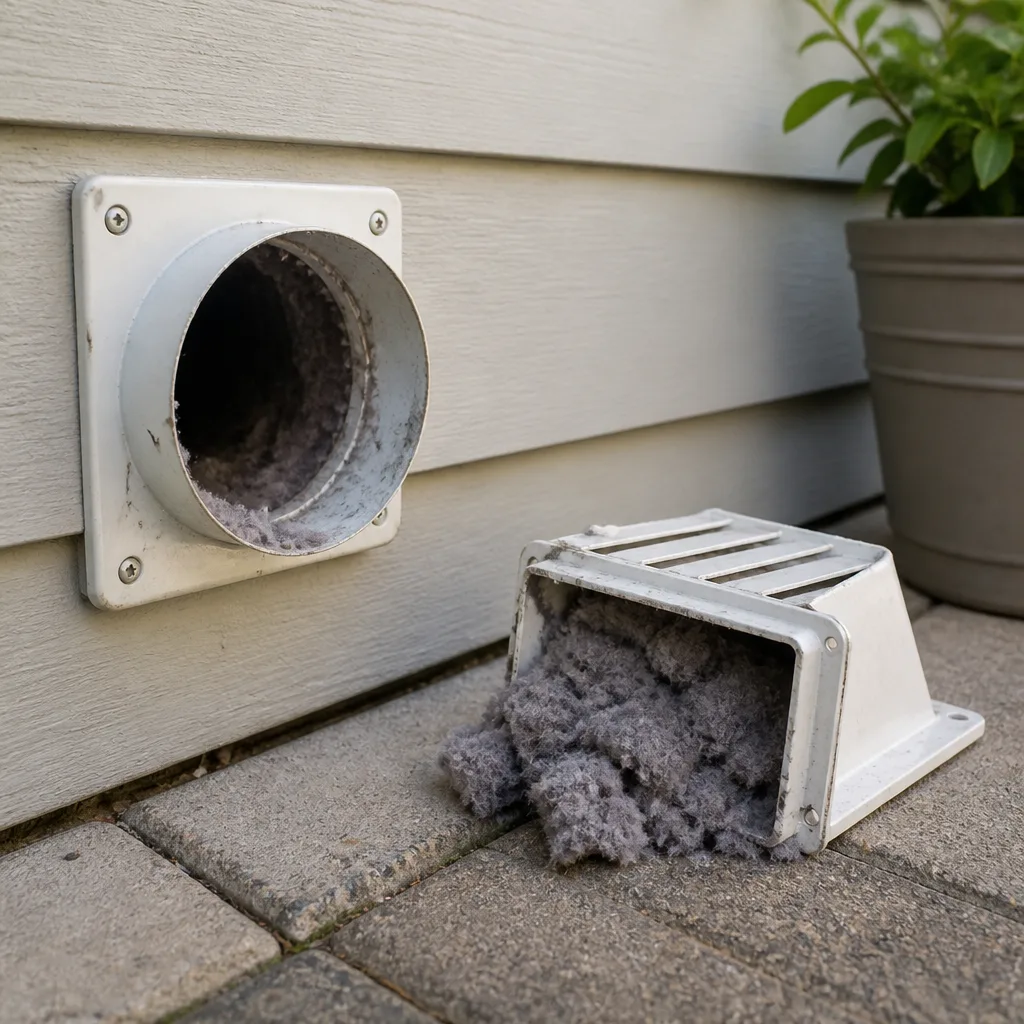 Dryer vent cleaning
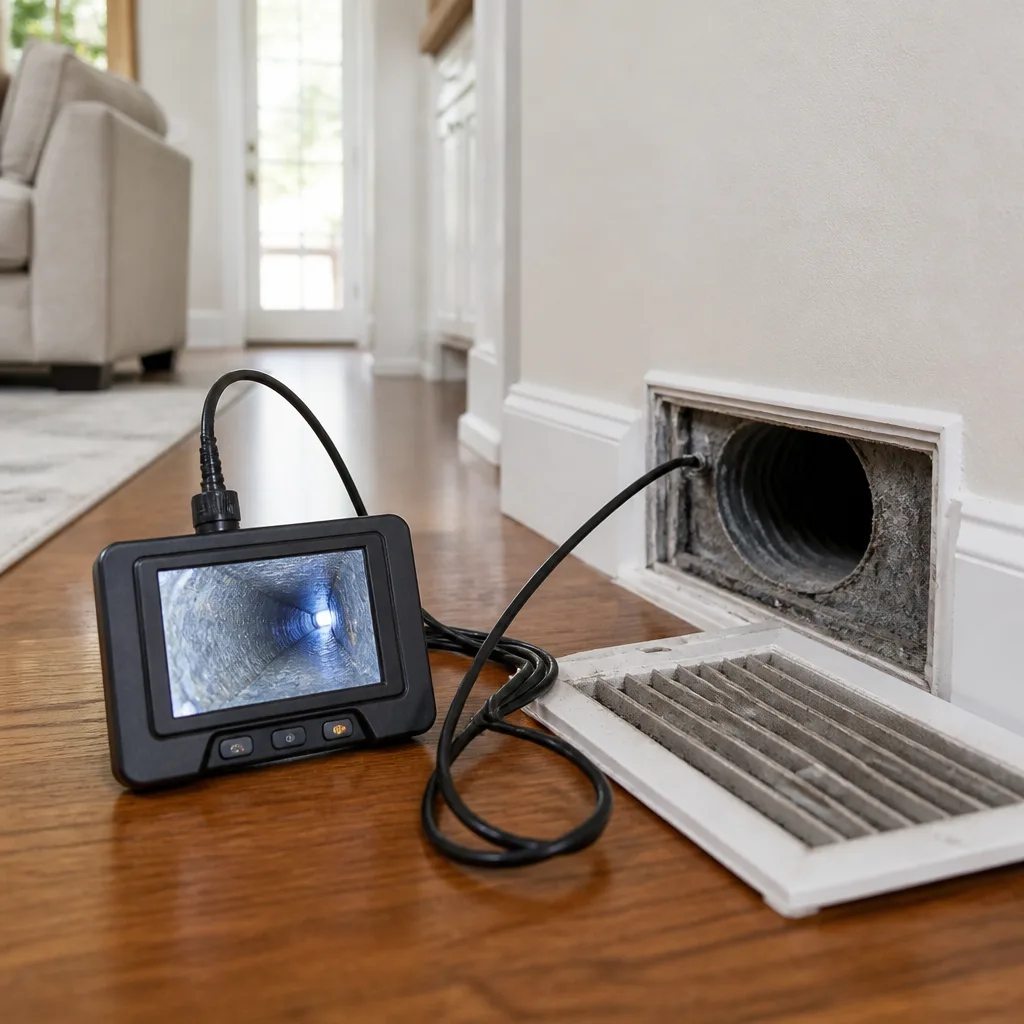 Camera inspection
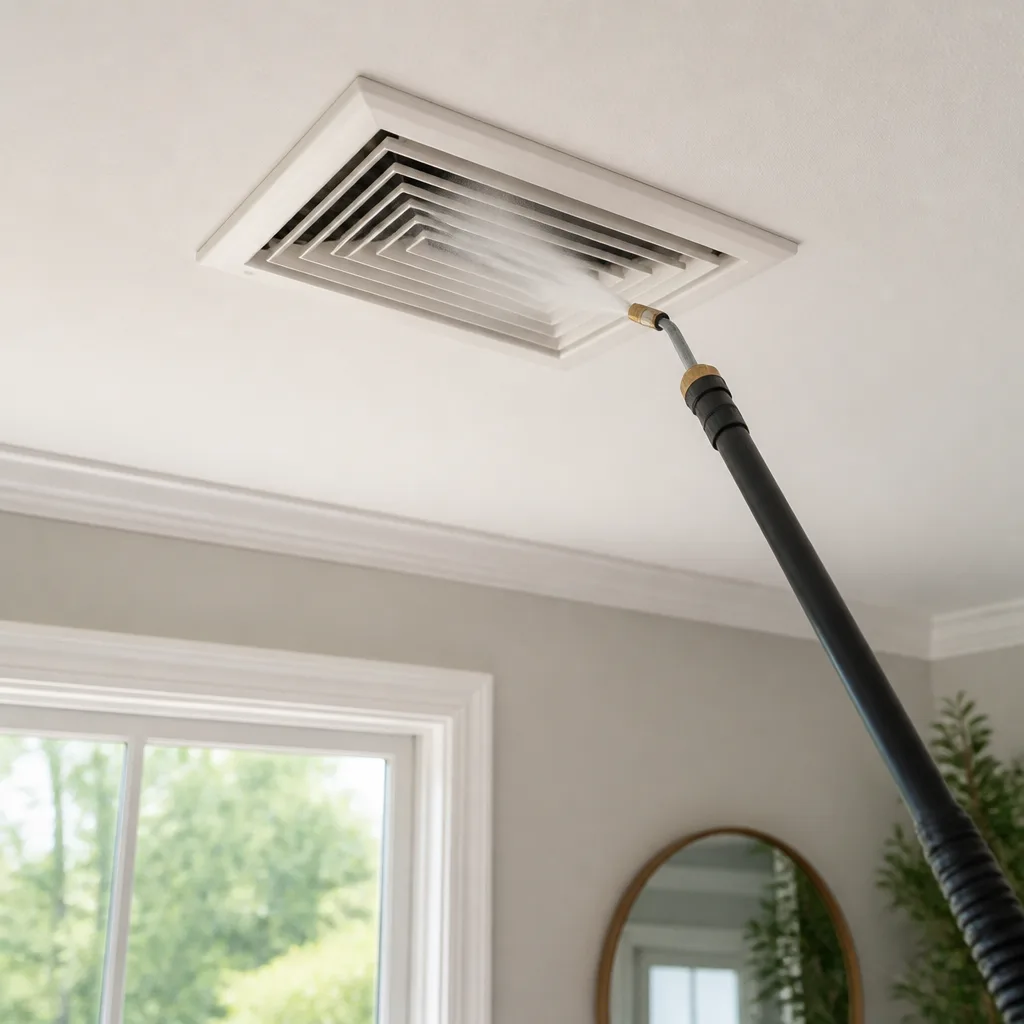 Sanitizing & deodorizing
Whole-system duct and dryer vent check with before-and-after photos - you see exactly what came out of your vents
That "$99 whole-house special" is a bait ad - the real number appears once they are in your hallway, or the "clean" is a shop-vac at the register. We photograph the inside of your ducts before and after instead.
Air Duct Cleaning Warning Signs: A North Dallas Homeowner’s Reference Guide
Visible dust on supply registers is not a reliable sign that your ducts need cleaning. More often it points to a filter whose MERV rating is mismatched to your system’s airflow capacity. Book a cleaning based on register dust alone and you may pay for a full job, then watch the same dust settle back within about two months, because the actual cause was never addressed. Most warning-sign lists lump together symptoms that call for cleaning with symptoms that call for HVAC repair. This guide separates the two. We’ll walk through what each sign actually means inside your system, so you book the right call for your North Dallas home and skip the wrong one.
Quick Answer
The warning signs that genuinely point to dirty ducts are musty odor on first startup, visible dust streaming from supply registers right after a cleaning, uneven airflow between rooms, and a biological smell after a humid stretch. Signs that point to a filter problem, an air handler problem, or duct leakage instead include rapid filter clogging, dust that returns fast, and rooms that are always too warm or too cold. The key is matching the symptom to the right fix before you spend money on a cleaning.
Styles & brands we work with
- Whole-home duct cleaning
- Dryer vent cleaning
- Camera inspection
- Sanitizing & deodorizing
Table of Contents
- Filter-Problem Symptoms vs. Duct-Problem Symptoms
- Musty Odor: Coil Growth vs. Duct Liner Contamination
- Allergy Symptoms That Improve When You Leave Home
- Post-Renovation Duct Contamination
- When the Real Problem Is Duct Leakage
- What Professional Equipment Actually Does
- A Step-by-Step Way to Diagnose Your Own System
- Common Mistakes to Avoid
Filter-Problem Symptoms vs. Duct-Problem Symptoms
The single most common misdiagnosis in North Dallas homes is blaming the ducts for what the filter is doing. These two systems fail in different ways, and the symptoms tell them apart. A filter problem shows up as dust arriving fast and coming back fast. A duct problem shows up as what the moving air carries along with it.
Filter-problem symptoms:
- Registers dust over within days of a cleaning.
- Your filter clogs in well under the recommended change interval.
- Dust collects evenly on horizontal surfaces near every register, not just one.
- The blower seems to strain or the system short-cycles in hot weather.
Duct-problem symptoms:
- Dust blows out in a puff the moment the system starts, then settles.
- A musty or sour smell that appears only when the air first comes on.
- One or two rooms get noticeably less airflow than the rest.
- Debris visible around the boots and register grilles after a remodel.
A filter with too high a MERV rating for your blower’s capacity restricts airflow, which actually increases dust settling in the ducts because velocity drops. That’s a filter mismatch, not a dirty-duct problem. Before booking air duct cleaning for a North Dallas home, check the filter rating against your system’s spec and look at how the dust behaves. Air that carries grit into a room is a duct signal. Air that leaves a fresh film on every surface in the house is a filter or air handler signal.
Musty Odor: Coil Growth vs. Duct Liner Contamination
Musty smell is the most reliable warning sign that something inside your system needs attention, but it splits into two distinct problems with two different fixes. The first is microbial growth on the evaporator coil. The second is contamination soaked into the duct liner. Getting these confused wastes money, because a coil cleaning won’t fix liner contamination and a duct cleaning won’t fix a fouled coil.
Evaporator coil growth:
- The smell is strongest the first few seconds the air conditioner runs after sitting idle.
- It fades as the system runs, because the coil dries as it operates.
- The smell tends to be strongest in the cooling season and softens in mild weather.
- It’s happening because the coil stays damp between cycles, which is common in North Dallas’s humid summers.
Duct liner contamination:
- The smell is constant, not just on startup, and lingers for the whole cycle.
- It’s worse in rooms farthest from the air handler, where the liner has had years to absorb moisture and dust.
- You can sometimes see dark staining inside a register boot when you pull the grille.
An HVAC contractor handles the coil; a duct cleaning team handles the liner. In our experience, the two often show up together in older North Dallas neighborhoods where systems have run hard through many humid seasons. The right move is to have the coil checked first. If the coil is clean and the smell persists, the liner is the source, and that’s where a professional cleaning with genuine containment makes the difference.
Allergy Symptoms That Improve When You Leave Home
Allergy flare-ups that ease the moment a family member walks out the door are worth taking seriously, but they’re not proof that the ducts are dirty. That pattern simply means the trigger is somewhere in the house. The ducts may or may not be it. The honest diagnostic sequence before concluding the ducts are the source looks like this.
- Change the filter with the correct MERV rating and track whether symptoms shift over two weeks.
- Vacuum and dust thoroughly, including soft furnishings and carpets, to rule out surfaces as the trigger.
- Note whether symptoms are worse in specific rooms. Room-specific reactions point to that branch of ductwork or that room’s contents.
- Check for visible moisture or staining around registers and the air handler. Excess humidity indoors is a common and fixable trigger in North Dallas.
- Have the system inspected for a fouled coil or standing moisture before assuming the ducts themselves are loaded with debris.
If symptoms track with the system running, and the filter and surfaces are handled, that’s when ducts become a real suspect. Rooms with the weakest airflow often have the most settled debris, because slow-moving air deposits what it carries. When symptoms follow the weakest-airflow rooms, the ducts deserve a look. The Air Duct Cleaning North Dallas team treats indoor air quality at the source, at the duct, rather than masking it with an air freshener.
Post-Renovation Duct Contamination
New construction and remodel work are the most common sources of sudden duct contamination in North Dallas. The region sees steady building and renovation activity, and every one of those jobs generates fine dust. Drywall dust is the worst offender: it’s fine enough to ride on airflow across a whole system, and it doesn’t settle quickly the way heavier debris does. Insulation fiber is the second, and it’s the one homeowners never see.
Visible evidence to check after any remodel:
- Fine white or gray powder around supply registers and the return grille.
- A gritty feel on horizontal surfaces near the air handler.
- Dust settling out of the air when the system starts, rather than circulating.
Invisible indicators, which arrive even when nothing looks wrong:
- A filter that clogged much faster than usual during the project.
- A change in airflow or a faint smell after sanding or drywall work.
- A system that was left running during framing, sanding, or finishing.
Most remodeling crews tape off returns and shut the system down during heavy dust work, but that doesn’t always happen on a busy job site. If the system ran during renovation, professional cleaning with negative-pressure containment is how you remove the fine debris instead of pushing it back into the rooms. The same Abatement Technologies air-filtration and negative-pressure equipment used in abatement work is what guarantees the dust gets captured rather than redistributed through your North Dallas home.
When the Real Problem Is Duct Leakage
Sometimes the warning signs you’re seeing point to a leaking duct system rather than a dirty one, and this is where order of operations matters more than almost any other decision. A leaking duct system gets cleaned last, after sealing, not first. Cleaning a leaking system means you clean the ducts, then conditioned air escapes through the gaps and pulls attic or unconditioned-space air, along with its dust, right back in. You’ve paid for a cleaning that undoes itself.
Leakage signs to watch for:
- Some rooms are consistently too warm while others are too cold.
- You feel air movement near gaps in duct joints, collars, or register boots.
- Dust returns quickly in specific rooms after cleaning.
- Energy use creeps up without a change in habits or weather.
Sealing handles the escapes. Cleaning handles the contamination. The sequence is to identify and seal the leaks first, then clean and sanitize what remains. That’s why a duct cleaning, repair, and sealing team is worth having under one roof for a North Dallas home, so the sealing and the cleaning are coordinated rather than split between two contractors. Leakage in a home with a vented attic, common in the area, often runs through joints that aren’t visible from inside the living space. Sealing where the duct meets the boot and the boot meets the drywall closes a big share of the losses.
What Professional Equipment Actually Does
The hardware is where a professional job separates from a cheap coupon job, and it’s the reason some cleaners leave dust behind. A consumer shop vacuum repurposed for duct work can’t generate the vacuum or the agitation that a true remediation job requires. Three tool categories matter.
- Rotary-brush agitation. A Rotobrush system runs a spinning brush through the duct to knock debris loose from the walls, where a simple vacuum leaves it fixed. Contact cleaning is the difference between “clear” and “actually clean.”
- High-volume negative pressure. A Nikro HVAC cleaning system pulls enormous air volume while the brush agitates, carrying loosened debris out to a HEPA-filtered collection unit instead of back into the rooms.
- Containment. Abatement Technologies negative-air and filtration equipment keeps the work zone under negative pressure so fine contaminants and odor never migrate into your living space during the job.
These are the same categories of tools specified by commercial and remediation contractors, and they’re what sets a technical cleaning apart from a surface sweep. Guardsman-grade protective products are used in the finishing and sanitizing steps so the equipment works together with the treatment, not against it. For a North Dallas homeowner who has already tried one cheap cleaning and watched the dust return, this is the point of difference that matters. The right tools don’t just clean, they contain what comes out.
A Step-by-Step Way to Diagnose Your Own System
Before you call anyone, run through this sequence. It takes about fifteen minutes and will often tell you which kind of problem you’re facing. Every step maps to a decision point.
- Check the filter rating and change date. If the filter is over-spec for the blower or overdue, replace it. That alone can resolve dust complaints.
- Watch a register on startup. Dust puffing out on startup suggests debris in the branch. Even settling suggests a filter or air handler issue.
- Smell the first air of the cycle. Musty on startup and fading suggests the coil. Constant and lingering suggests the liner.
- Feel for uneven airflow. Rooms that lag point to a duct problem or leakage in that branch. Rooms that run hot and cold independently point to sealing.
- Look at the register boots. Pull a grille. Dark staining or debris on the boot means the duct needs attention.
- Review recent work. If a remodel happened, assume fine debris got in, even if nothing shows yet.
Write down which symptoms you found. When you call, the pattern tells the technician whether the job is cleaning, sealing, sanitizing, or a combination. That saves time and, more importantly, prevents paying for the wrong service. For a North Dallas home with an older system, the answer is frequently a combination of cleaning and sealing, which is why we handle the full duct lifecycle: cleaning, sanitizing, repair, and sealing, so there’s no second call to fix what cleaning exposes.
How Do I Know the Work Was Actually Done?
Ask for before-and-after photos of your own ducts, taken during the job. A legitimate team will show you the inside of the ductwork before the brush runs and after, with timestamps or job references that match your home. That’s the only reliable proof the cleaning actually reached the walls. A coupon-fixed price often skips that step. We write toward transparency and showing the work because a cleaned duct is something you can see, not something you take on faith.
One flat price per system, agreed before work starts, is the other half of the answer. Per-vent pricing invites a bait-and-switch: the quote is low, the technician finds “many more vents than expected,” and the invoice climbs. Committing to a per-system price up front removes that whole conversation. Before-and-after photos plus a before-the-work estimate together give you the two facts you actually need.
How Often Does It Really Need Doing?
Most homes don’t need duct cleaning on a fixed schedule. It needs doing when a warning sign appears, not on a calendar. A household with shedding pets, a recent renovation, or a smoker indoors will need it sooner than a low-traffic home. A home with a new filter and clean system can go far longer.
Rather than following a coupon company’s annual reminder, judge by the signals in this guide. Dust that returns quickly, musty odor, a post-remodel dust event, or uneven airflow are the cues. When one of those shows up in your North Dallas home, that’s the time. A home that never shows a sign can wait, and that’s the honest answer even though it’s not the one that fills a monthly quota. A more useful routine is changing filters at the right interval for your system and having the air handler inspected when symptoms change.
See the difference
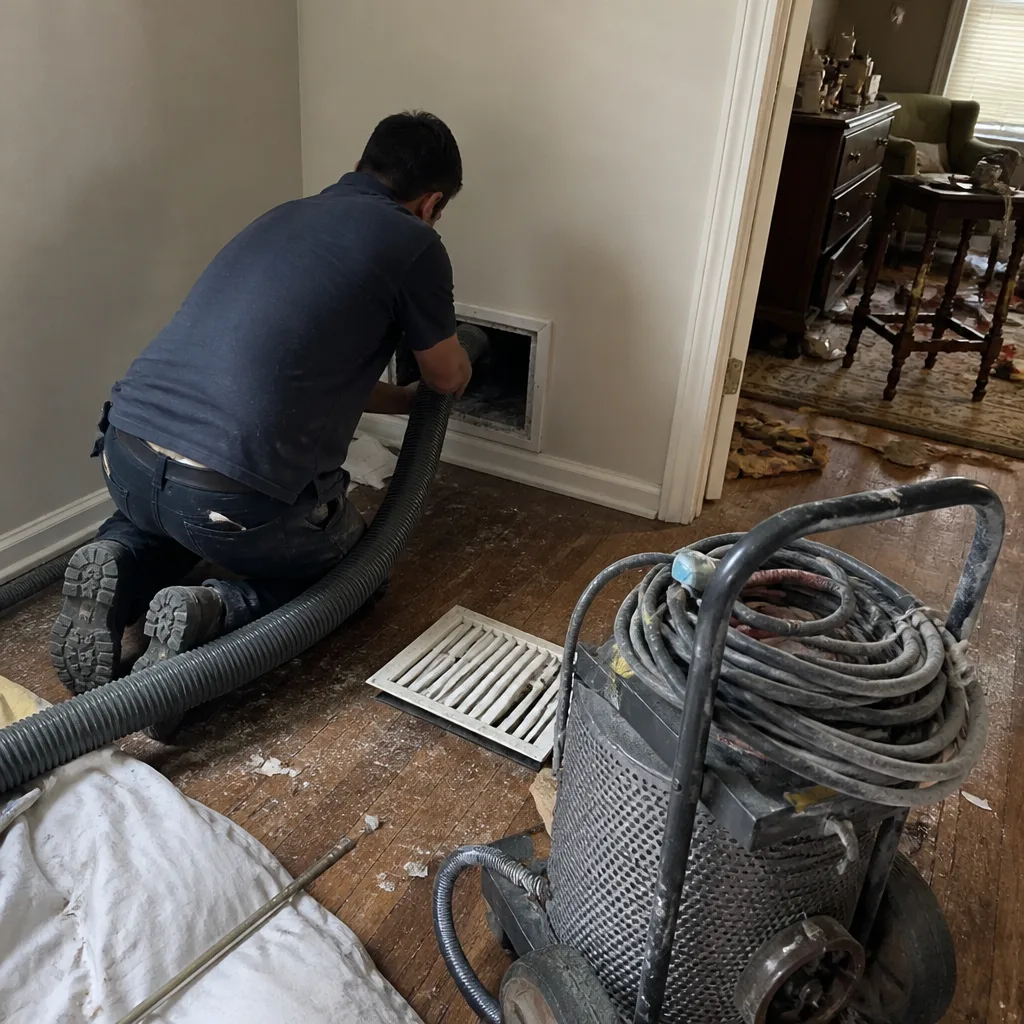 Before
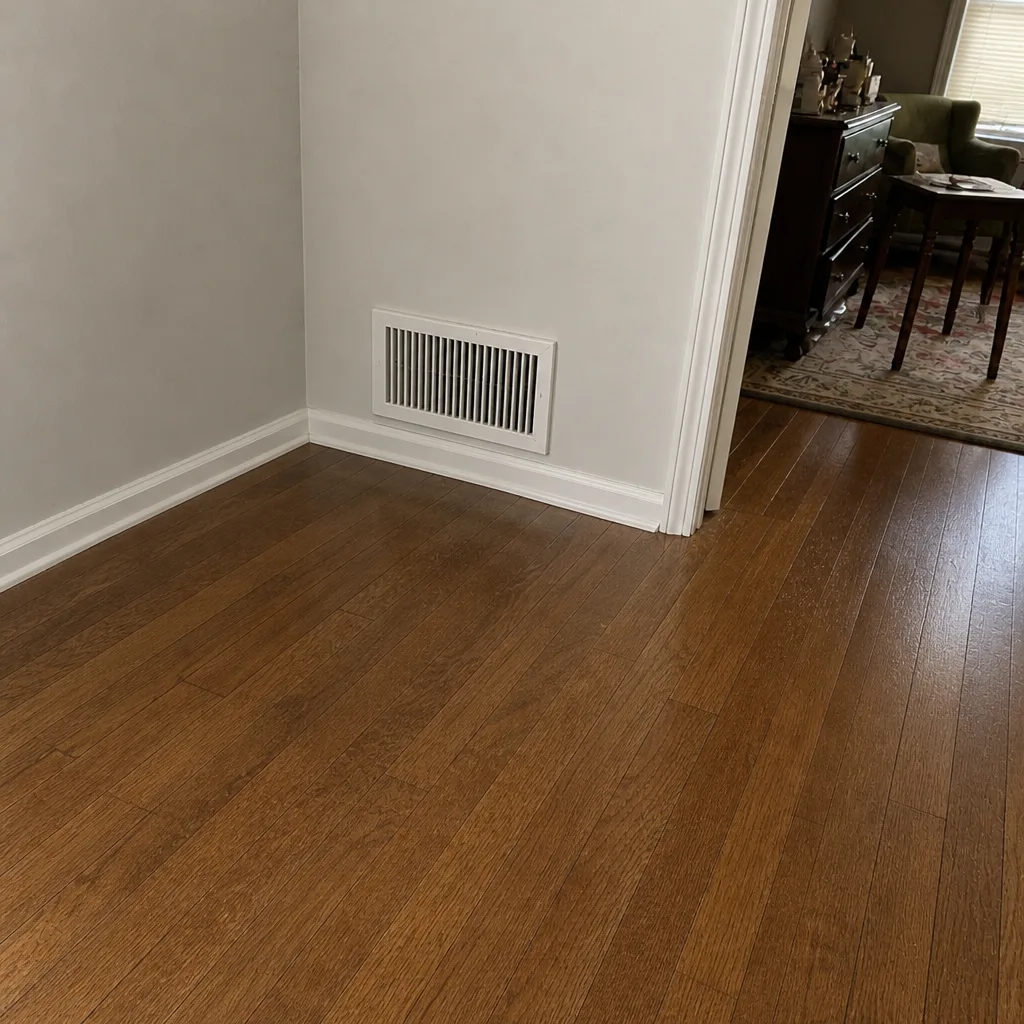 After
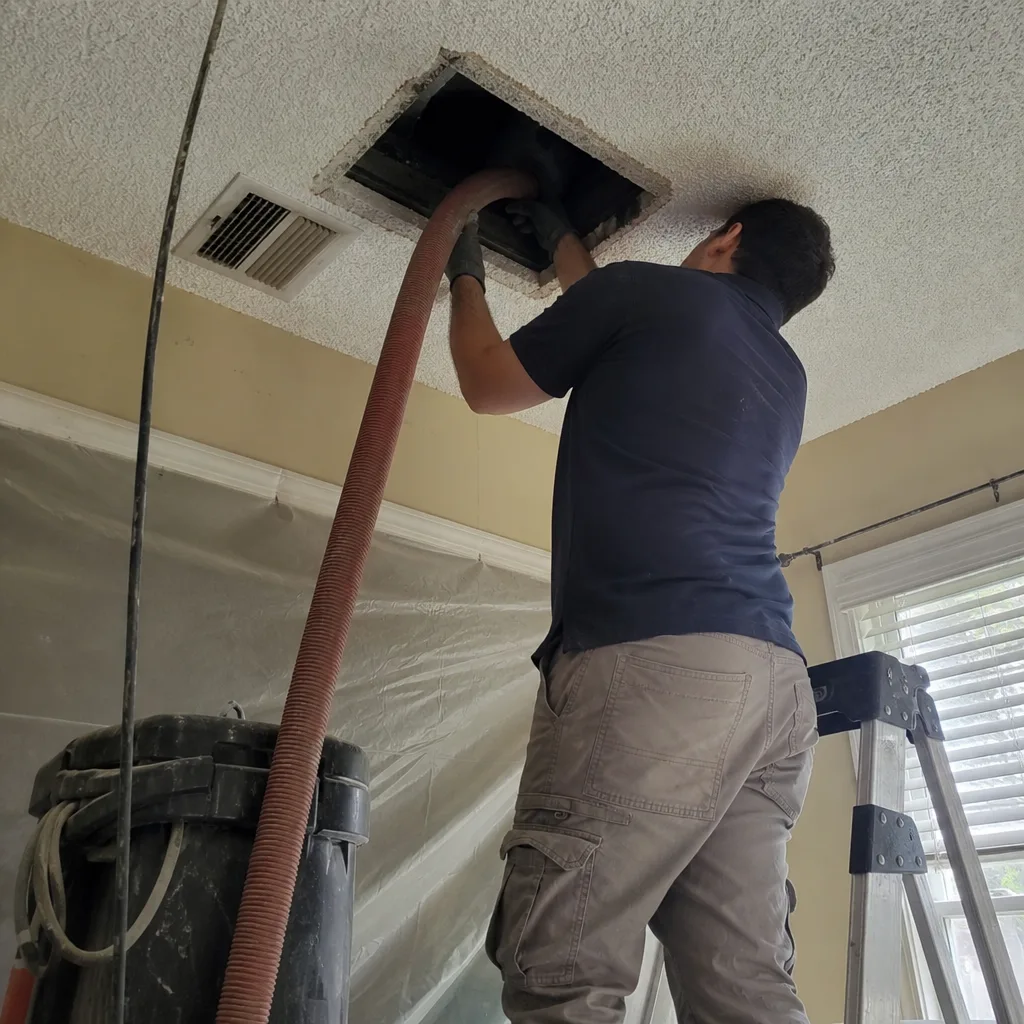 Before
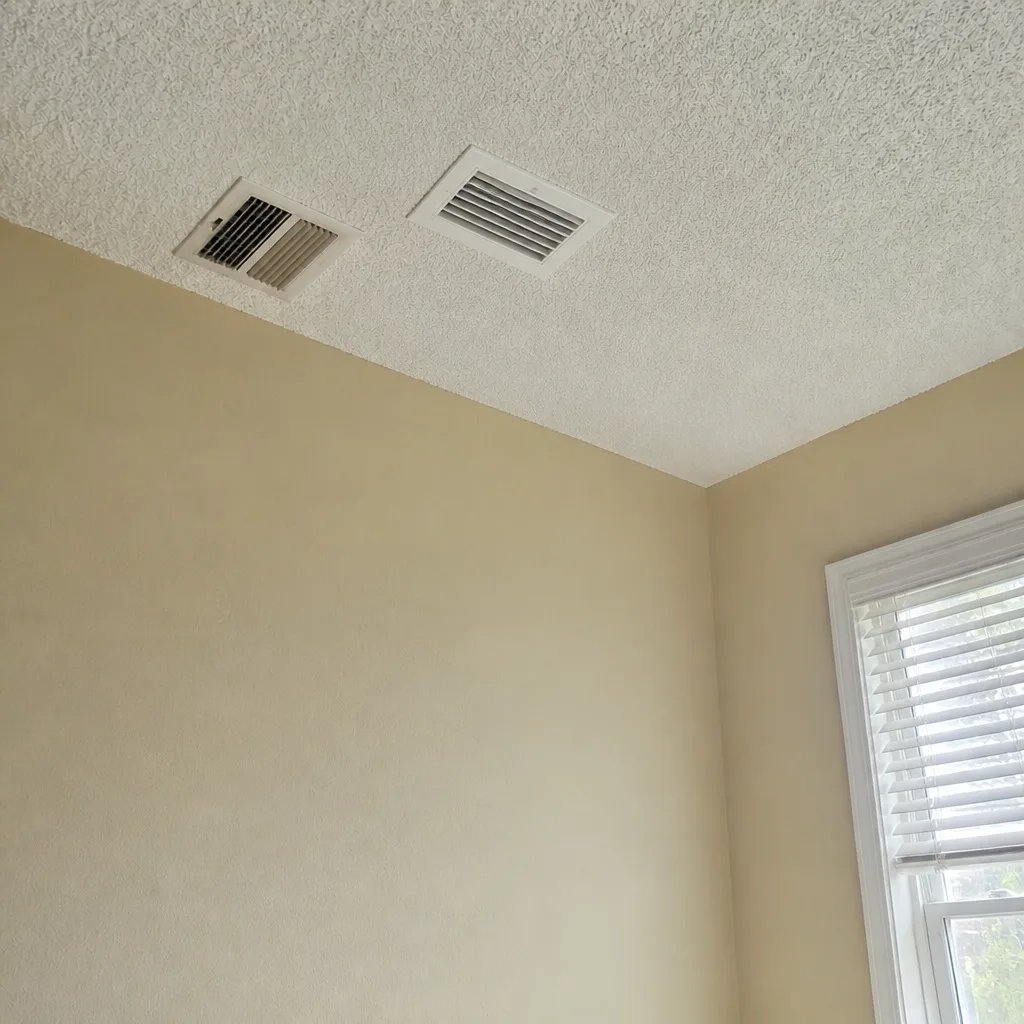 After
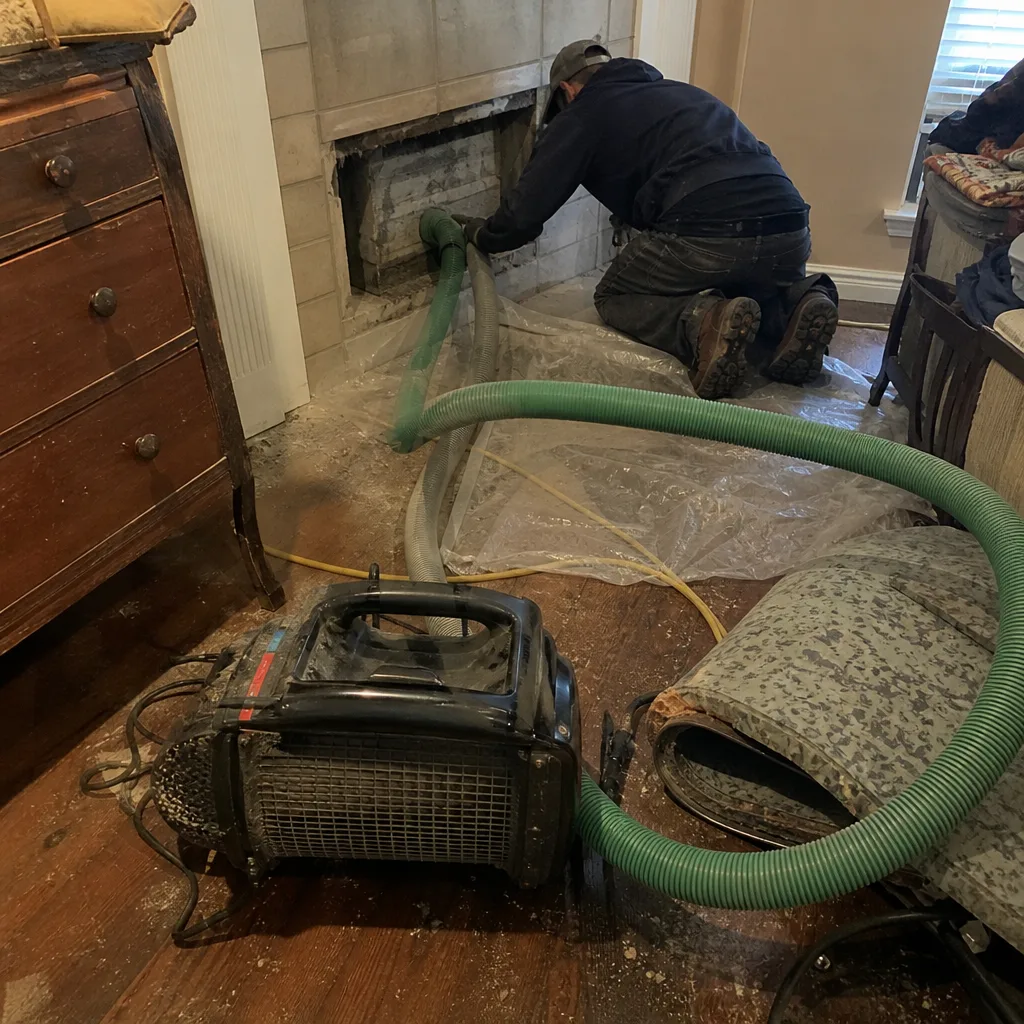 Before
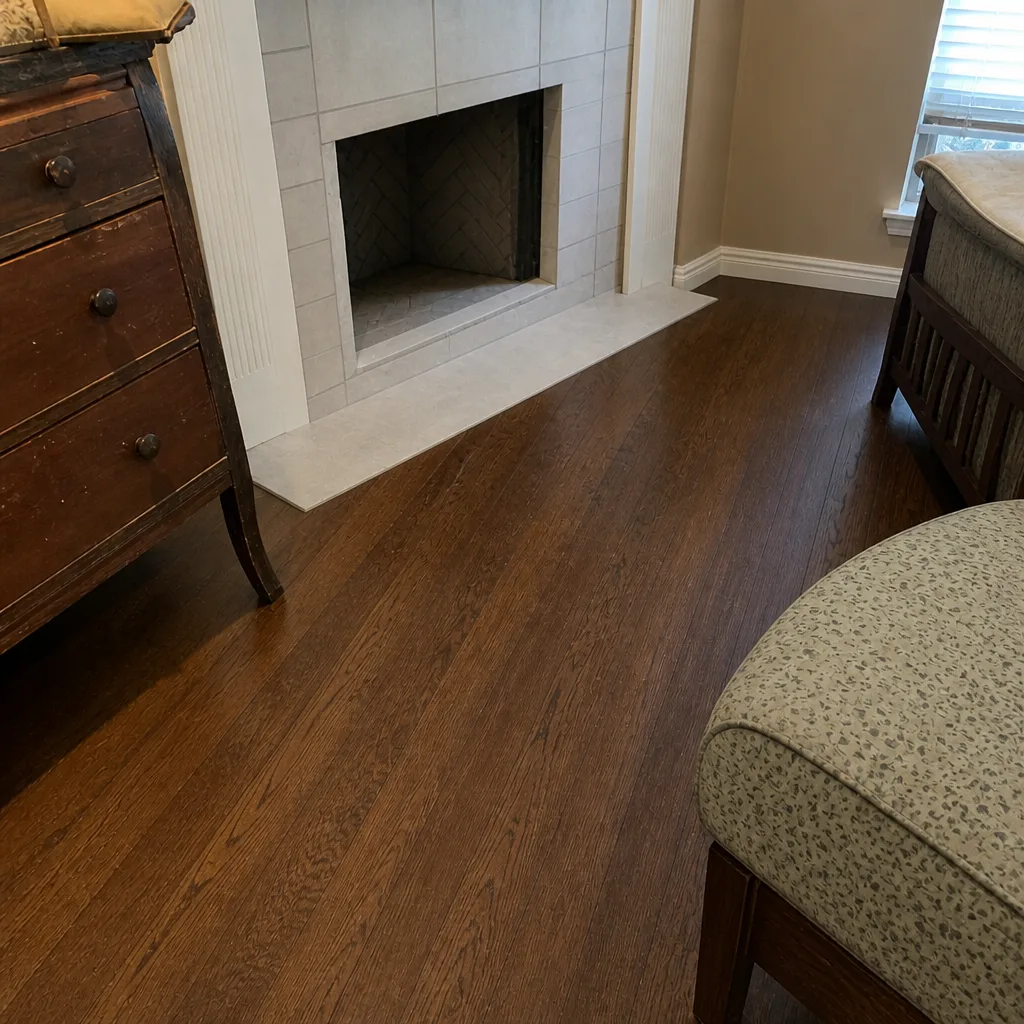 After
Common Mistakes to Avoid
- Blaming the ducts for register dust. That’s usually a filter mismatch. Fix the filter rating before booking a cleaning, or the dust returns within about two months.
- Cleaning before sealing. A leaking North Dallas duct system gets cleaned last, after sealing. Cleaning first means contaminants come right back through the escapes.
- Confusing coil smell with liner smell. Startup-only must is usually the evaporator coil. Constant must is usually the liner. Each needs a different fix and a different contractor.
- Skipping post-renovation cleaning. Drywall dust and insulation fiber move through a whole system. If the HVAC ran during a remodel, assume contamination even if nothing shows.
- Choosing the cheapest coupon. A low price with per-vent pricing invites an upsell once the technician is inside. A flat per-system price agreed before work starts is the fair way to price it.
- Assuming a new build is clean. New-construction sites generate plenty of fine dust, and systems often run before the work is buttoned up. Check the return and a few registers.
- Ignoring the dryer vent. A clogged dryer vent is a fire risk, not a bonus add-on. Treat it as its own safety check, separate from the ducts.
When to Call a Professional
Call a professional when a warning sign points to the ducts themselves and the simple checks didn’t resolve it. If musty odor lingers after you’ve confirmed a clean coil, if dust streams from registers after a cleaning, if a room’s airflow is weak and its boot is visibly soiled, or if your system ran during a renovation, it’s time. A trained team can also tell you whether the issue is leakage, contamination, or both, and seal before cleaning if sealing is needed. Do not open electrical panels or attempt to reach the air handler internals yourself: those are dangerous, and a trained professional should handle them. Air Duct Cleaning North Dallas offers free estimates in North Dallas. Call (833) 482-6392. We answer 24/7. Fast dispatch from 7am to 7pm, Sunday through Friday. Our technicians have up to 10 years of experience and work with contractor-grade Rotobrush and Nikro equipment.
Frequently Asked Questions
A musty or sour smell that’s constant through the whole cycle, plus debris visible inside a register boot, is the most reliable combination. That pattern points to contamination on the duct walls, which is what cleaning addresses. For a North Dallas home, add a recent renovation or a system that ran during one to that list. Call (833) 482-6392 for an exact quote. The estimate is free, and the price is set per job by the written estimate.
The price is set per job by a written estimate, because system size, accessibility, and whether sealing is needed all change the work. We don’t quote per-vent or teaser coupon figures, since those numbers rarely match the final invoice. You get one flat price per system, agreed before work starts. Call (833) 482-6392 and we’ll put together a written estimate for your home.
Cheap quotes usually skip containment and contact cleaning, so debris gets redistributed rather than removed. A low price with per-vent pricing can also climb once the technician is on site. Ask what equipment they use and whether you’ll get before-and-after photos of your own ducts. We use Rotobrush rotary-brush tools and Abatement Technologies containment, and we show the work. Call (833) 482-6392 for an estimate that reflects the real job.
Symptoms that ease when you leave the house mean the trigger is somewhere in the home, but the ducts may not be the source. Change the filter, handle surfaces, and check for moisture first. If symptoms track with the system running and the weakest-airflow rooms are the worst, then the ducts deserve a professional look. Call (833) 482-6392 to talk through what you’re seeing.
Yes, if the HVAC ran at any point during the work. Drywall dust and insulation fiber ride on airflow and don’t settle like heavier debris, so a post-renovation cleaning with true containment is the safe call. That equipment is what keeps fine dust out of your living space during the job. Call (833) 482-6392 for a free estimate. Fast dispatch from 7am to 7pm, Sunday through Friday.
Yes. Alongside air duct cleaning, we offer dedicated dryer vent cleaning and HVAC cleaning, plus air quality and sanitizing, and duct repair and sealing. Dryer vent work is a distinct fire-risk pathway and gets its own attention, not an upsell afterthought. If a warning sign points to the ducts, we can address the whole system. Call (833) 482-6392. We answer 24/7.
The Bottom Line
The takeaway from all this is that symptoms have causes, and matching them correctly saves you money. Register dust and rapid filter clogging usually mean a filter or air handler problem, not dirty ducts. Musty odor splits between the coil and the liner, each with a different fix. Post-renovation fine dust and uneven airflow are real duct signals, and leakage gets sealed before cleaning, never after. Air quality starts at the duct, not the air freshener, and the diagnostic sequence before you call matters as much as the cleaning itself. For a North Dallas home, run the checks, note the pattern, and call a team with the equipment to find the actual cause. We use Rotobrush and Nikro tools, and we recommend and integrate Honeywell and Aprilaire products when a whole-home filtration upgrade makes sense, so we don’t just clean; we seal what’s leaking and sanitize what’s left behind. Explore Air Duct Cleaning North Dallas and call (833) 482-6392 for a free estimate. Our technicians have up to 10 years of experience.
Written by the team at Air Duct Cleaning North Dallas.