
Last updated November 23, 2026
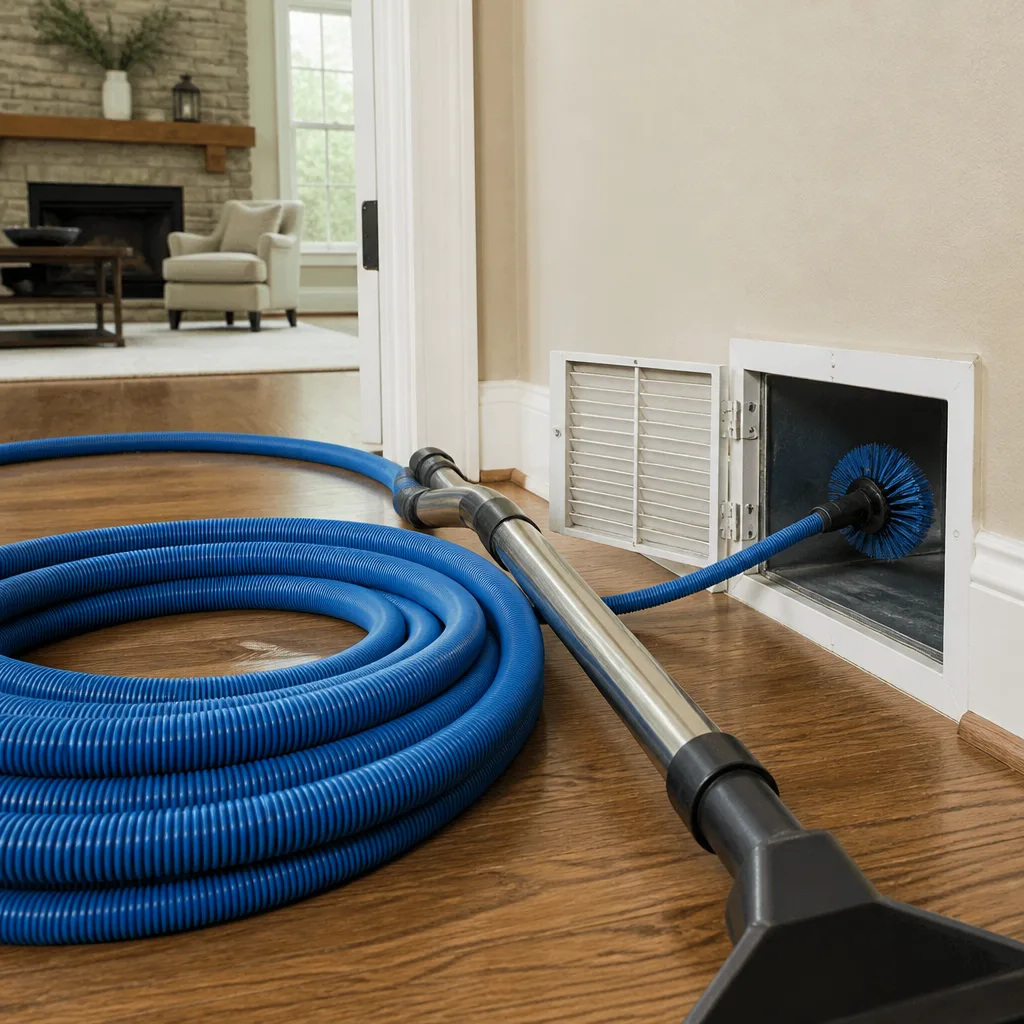 Whole-home duct cleaning
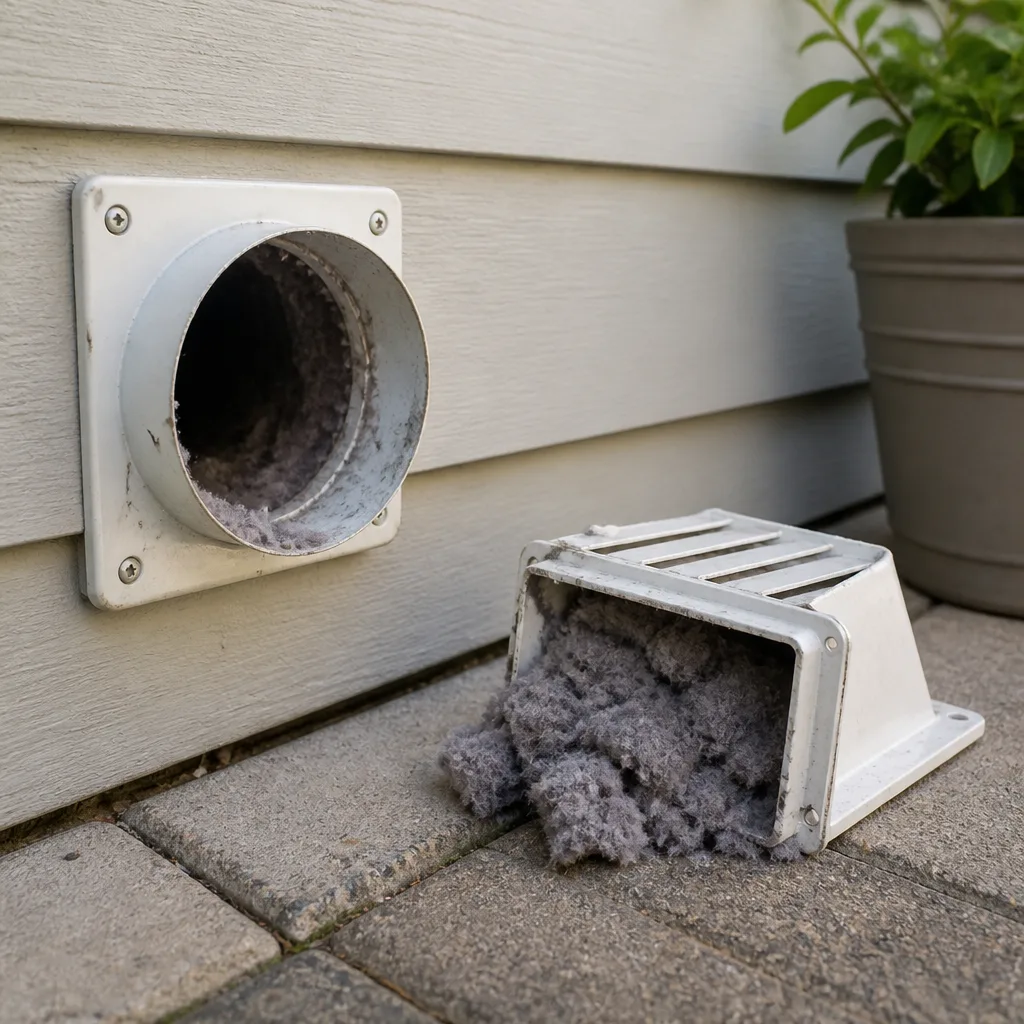 Dryer vent cleaning
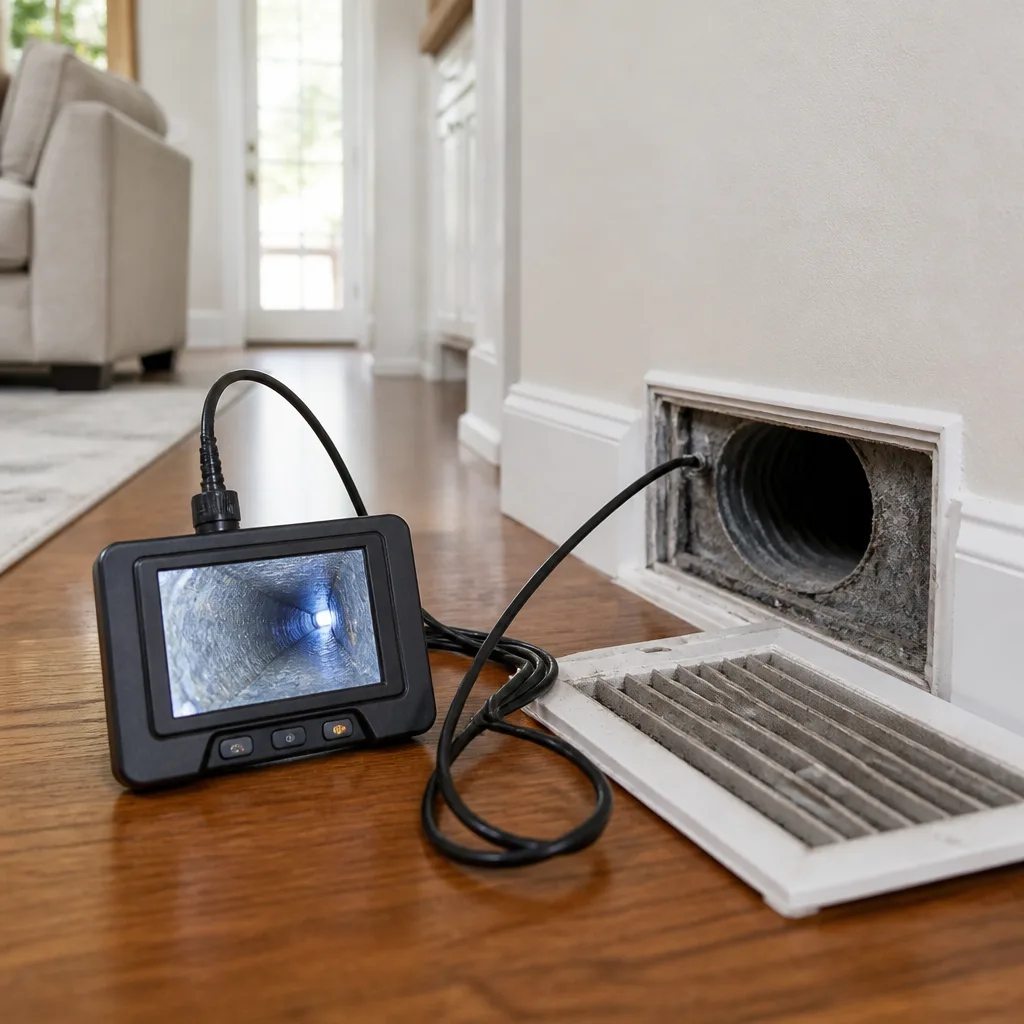 Camera inspection
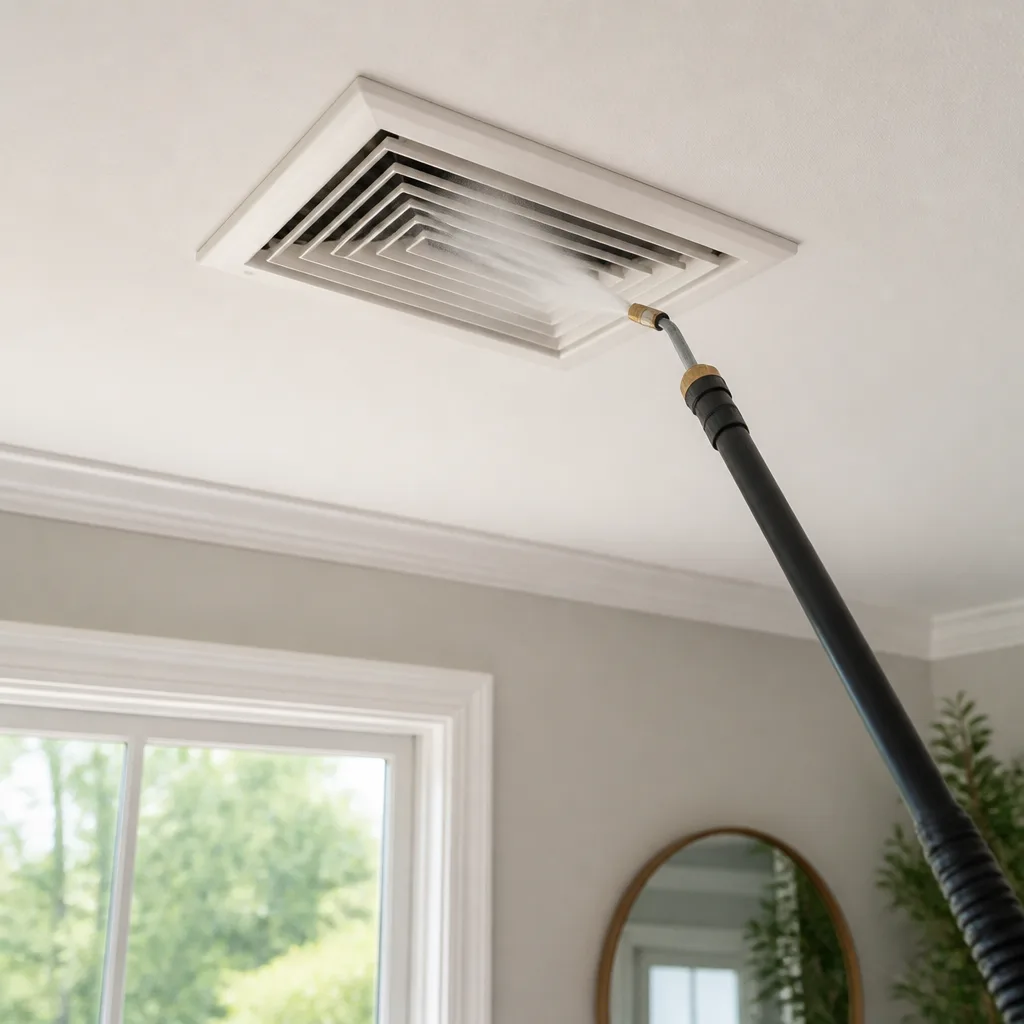 Sanitizing & deodorizing
Whole-system duct and dryer vent check with before-and-after photos - you see exactly what came out of your vents
That "$99 whole-house special" is a bait ad - the real number appears once they are in your hallway, or the "clean" is a shop-vac at the register. We photograph the inside of your ducts before and after instead.
Air Duct Cleaning Emergency Preparedness Guide for North Dallas Homes
Most homeowners turn the HVAC system on after a flood or a nearby wildfire. That instinct is exactly backwards. Running the system moves moisture-laden or smoke-saturated air from a damaged zone into every room of the house, and the ductwork becomes the delivery route. The counterintuitive rule is this: the first act of duct emergency preparedness is often to shut the system down and leave it off. In this guide we’ll cover what to do in the first hours after a water intrusion, a wildfire smoke event, or a roof breach in North Dallas, which emergencies actually threaten your ducts, and how to document everything before any contractor arrives.
Quick Answer
After a flood or water intrusion in North Dallas, shut off the HVAC system immediately, particularly if the water reached air handler, return grilles, or attic duct runs. Do not run the fan to “dry things out.” Mold remediation of the affected building materials comes before duct cleaning, not at the same time. After wildfire smoke, the system should stay off until you can confirm the duct interior is being addressed with HEPA-rated, negative-pressure equipment, since sub-micron smoke particles behave very differently from ordinary household dust. Call (833) 482-6392 for a free estimate once the emergency window has passed.
Styles & brands we work with
- Whole-home duct cleaning
- Dryer vent cleaning
- Camera inspection
- Sanitizing & deodorizing
Table of Contents
- What to Do After Water Intrusion: The Post-Flood Duct Protocol
- Post-Wildfire Smoke: Why Standard Cleaning Falls Short
- North Dallas Emergency Triggers: Hail, Ice, and High Wind
- Documenting the Damage Before Any Contractor Arrives
- How to Evaluate a Contractor’s Emergency Qualifications
- Equipment You Should See Arrive on the Job
- Building Duct Readiness Before the Next Event
- Common Mistakes to Avoid
What to Do After Water Intrusion: The Post-Flood Duct Protocol
After a water intrusion event in a North Dallas home, the duct system becomes the primary microbial transport network inside 24 to 48 hours. That is not a scare line, it’s a mechanical fact: the duct network is dark, humid, and blanketed with settled organic dust, which is close to ideal conditions for spores to colonize. Running the HVAC to dry the house out does exactly what you don’t want, spreading spore-laden air from the affected area into rooms that stayed dry.
Surface water versus duct interior flooding
Two events get described the same way by homeowners, but they call for different responses. Surface water intrusion means water reached the flooring, drywall, or insulation near a supply register or return grille but did not enter the duct itself. Duct interior flooding means water actually entered the ductwork – common when an air handler sits in the attic and roof water got into the plenum, or when a first-floor system was submerged. If you’re not sure which happened, treat it as the more serious case until a professional inspects the system.
The correct order of operations
- Shut off the HVAC system at the thermostat and the breaker. Leave it off until the affected area is assessed.
- Photograph everything before touching it – water lines, register locations, the thermostat, the air handler. We cover this below.
- Dry the building. Structural drying of drywall, insulation, and subfloor comes first.
- Perform mold remediation on the building materials. This is a separate scope and, in most cases, a separate contractor.
- Only then clean and sanitize the duct system. Cleaning before remediation just means the ducts get re-contaminated.
That sequencing point is where a lot of quotes go wrong. A company that offers to “clean the ducts and treat for mold at the same time” is skipping the step that actually protects your indoor air. Mold remediation must precede duct cleaning, because the ducts are downstream of the source. It’s also the reason North Dallas homes with attic-mounted systems deserve a careful look after any roof-level water event: the air handler is often sitting right below the leak.
Post-Wildfire Smoke: Why Standard Cleaning Falls Short
Smoke particles from a wildfire are mostly sub-micron – far smaller than pollen, dust mites, or the visible debris a standard duct cleaning removes. They also carry volatile organic compounds that adhere to the interior duct surface and the fibrous lining inside insulated flex duct. Standard rotary-brush extraction will loosen and remove the visible layer, but the residue that produces the persistent campfire smell is a different problem.
How smoke behaves differently in duct liners
Visible dust settles. Smoke diffuses. Particles in the 0.1 to 1 micron range stay airborne long enough to travel through the entire duct network and settle on the walls of the liner, where they bond to whatever film is already there. A system that wasn’t cleaned recently has more of that film, which is why a home that was already due for air duct cleaning before the smoke event tends to hold the odor longer. The problem compounds; it doesn’t reset.
What equipment requirements actually apply
For post-fire work, the equipment list matters more than it does for routine cleaning. Look for:
- HEPA-rated filtration on the extraction unit – not just a filter bag or a shop-vac retrofit. The goal is to capture what’s being disturbed, not blow it into the room.
- Negative-pressure containment – the work area is held at slightly lower pressure than the surrounding rooms so particles move toward the equipment, not away from it.
- Sanitizing after extraction – removal gets the particulate out; a sanitizing step addresses what settled into the liner.
We run Abatement Technologies negative-air and filtration equipment for exactly this reason. It’s the same category of hardware used in mold and asbestos abatement, where containment isn’t optional. If a contractor shows up with a portable vacuum and no containment, the smoke particles they dislodge end up back in the air your family is breathing.
North Dallas Emergency Triggers: Hail, Ice, and High Wind
North Dallas doesn’t have the coastal or freeze-thaw emergencies that shape duct guidelines in other parts of the country. The events that actually compromise ductwork here are different, and they tend to happen fast and leave quiet damage behind.
Hail damage to attic duct runs
Large hail can crack the outer jacket of attic duct runs through roof decking and shingles without the homeowner noticing. The insulation on a flex duct run takes the impact, and the jacket tears. From below, everything looks fine; from above, the run is now drawing attic air, insulation, and moisture into the supply stream. After any significant hail event over a North Dallas neighborhood, it’s worth walking the attic and looking for crushed or torn duct sections.
Ice storm condensation on cold duct surfaces
When the outside temperature drops below the dew point inside an attic, condensation forms on the exterior of cold metal duct runs. Enough of it soaks surrounding insulation and creates a slow moisture problem that feeds microbial growth – not the dramatic flooding a burst pipe causes, but just as damaging to a duct interior. Homes with long attic runs and limited attic ventilation are more prone to it. Running a dehumidifier in the attic during the cold months can help, but sealing the leaks in those runs is the real fix.
High-wind breaches at return grille covers
A strong line of storms can lift or dislodge an exterior return grille cover, which lets wind-driven rain and debris directly into the return side of the system. This is easy to check after any high-wind event, and worth doing before your next HVAC cleaning appointment so you’re not cleaning a system that has an active opening in it.
Documenting the Damage Before Any Contractor Arrives
Photos taken before any contractor steps on the property carry more weight with adjusters than any photo a contractor supplies later. This is not a subtle point. Timestamped homeowner photos establish the condition of the damage as of the date of loss; contractor photos show what the contractor found, which is a different claim in an adjuster’s eyes. The difference routinely changes what an insurer is willing to cover.
What to photograph the day of the event
- The thermostat reading and the HVAC breaker position – proof the system was shut off, not run through wet conditions.
- Water lines on any building material – baseboards, drywall, subfloor, attic decking.
- Every register and return, close-up and in context – show the location in the room and the detail of the grille itself.
- The air handler and its immediate surroundings – insulation and plenum condition matter here.
- Ceiling stains and any sagging drywall, especially near duct runs.
- Damaged roof, gutters, or exterior grille covers, if the event involved wind or hail.
Keep a written log
Alongside the photos, keep a simple written log of dates and what you did on each one: when you shut the system off, when you called the insurer, when the water was extracted, when the remediation started. Adjusters respond well to a factual timeline. Vague recollections and verbal estimates get contested.
Store all of this in the cloud, not on the phone that fell in the water. And keep a copy of the written estimate from the Air Duct Cleaning North Dallas team alongside the claim file, so a cleaning scope and a remediation scope are never confused for each other on paper.
How to Evaluate a Contractor’s Emergency Qualifications
The difference between a cleaning company doing emergency work and an IICRC-certified restoration contractor is not a marketing distinction. A restoration contractor is set up to dry the building and remediate mold on structural materials. A duct cleaning company is set up to clean, sanitize, repair, and seal the duct system itself. The right call for a post-flood scenario often involves both.
When each one is the right call
- Call a restoration contractor first if any structural material is wet (drywall, subfloor, framing), mold is visible on surfaces, or the affected area exceeds what you can dry with fans and a dehumidifier. They set the dry standard and make the call on demolition.
- Call a duct cleaning company after remediation is complete if the ductwork was in the affected area, the system was running during the event, or the smoke event affected the whole house.
- Call both if the ducts themselves got wet internally – not common, but possible when attic-mounted equipment is involved.
What to ask before you book
Ask what equipment will actually arrive. Ask whether the technician will perform containment during the work. Ask what happens to the duct interior after extraction – is there a sanitizing step, and is there a repair and sealing step for any runs the cleaning exposes? We partner with Guardsman for finishing and sanitizing products and with Honeywell and Aprilaire for filtration upgrades, so those conversations are part of the job rather than an upsell tacked onto the end.
Also ask for the scope in writing, per system, before anything starts. A single flat price per system agreed up front is the standard we hold ourselves to, and it’s the standard you should expect from anyone else in North Dallas.
Equipment You Should See Arrive on the Job
Air quality starts at the duct, not the air freshener – and the equipment on site is the clearest signal of whether the job is being done right. Contractor-grade equipment is what separates a real duct cleaning from a shop-vac workout. If you’re evaluating a quote, this list tells you what “professional” actually means.
- Rotary-brush systems (Rotobrush) – the industry-standard brush and vacuum combination that actually removes the adhered layer, not just the loose dust on the surface.
- HVAC extraction systems (Nikro) – the same category of gear specified by commercial and remediation contractors, with enough static pressure to move the volume of air a residential duct network needs.
- Negative-air chambers and HEPA filtration (Abatement Technologies) – true containment. This is what post-fire and post-flood work requires.
- Finishing and sanitizing products (Guardsman) – applied after cleaning, not in place of it.
You’ll notice that list includes equipment for dryer vent cleaning in a different category. Dryer vents are their own fire-risk pathway, not an extra service tacked onto a duct job, and the equipment used for one doesn’t work for the other. Any company that treats dryer vent cleaning as an afterthought is a company you should ask harder questions of.
We don’t just clean – we seal what’s leaking and sanitize what’s left behind. That’s the standard we hold on every job, from a single-family home in Preston Hollow to a multi-unit property manager’s building.
Building Duct Readiness Before the Next Event
Preparedness is mostly a set of cheap, fast, boring tasks done in advance. The value is that when an emergency hits, you don’t have to make decisions while water is dripping through the ceiling.
- Know where your HVAC breaker is and label it clearly in the panel.
- Locate every return grille and supply register in the house and photograph them now, while everything is dry. A pre-event photo set is invaluable for insurance claims.
- Keep a basic moisture meter and a flashlight in the same place, with a printed list of the shut-off steps.
- Have the duct system cleaned on a routine schedule, so a smoke or flood event isn’t compounding years of settled material.
- Seal obvious leaks in attic duct runs before the next cold snap or hail season, and check the grille covers after any high-wind event.
- Save your duct cleaning company’s number next to your insurance number. When you need to call, you’ll have it.
The homes that come through a flood or fire with the least disruption are usually the ones whose ducts weren’t in poor condition to begin with. Routine maintenance is the preparedness step that never makes the news but changes the outcome.
Common Mistakes to Avoid
- Running the HVAC system to “dry things out” after water intrusion. This distributes spore-laden air from the affected area to every room. Shut the system off and leave it off until the duct interior is assessed.
- Booking duct cleaning at the same time as mold remediation. Cleaning before remediation just means the ducts get re-contaminated from the still-active source. The sequence matters more than the speed.
- Taking contractor-supplied photos as your claim evidence. Your own timestamped photos taken before anyone arrives carry more weight with adjusters. Take them the same day as the event, before you touch anything.
- Accepting a post-fire cleaning quote without asking about HEPA-rated filtration and negative-pressure containment. Without both, dislodged smoke particles go back into the breathing zone.
- Overlooking the attic after a hail event. Cracked duct jackets above the ceiling don’t announce themselves, and the system pulls attic air through them until someone looks.
- Choosing the cheapest quote from a company that shows up without rotary-brush or HVAC extraction equipment. A shop vac and a brush won’t remove the adhered layer; it just loosens it.
- Assuming dryer vent cleaning is a separate, optional add-on. It’s a distinct fire-risk pathway in every North Dallas home with a gas or electric dryer, and it needs its own appointment.
See the difference
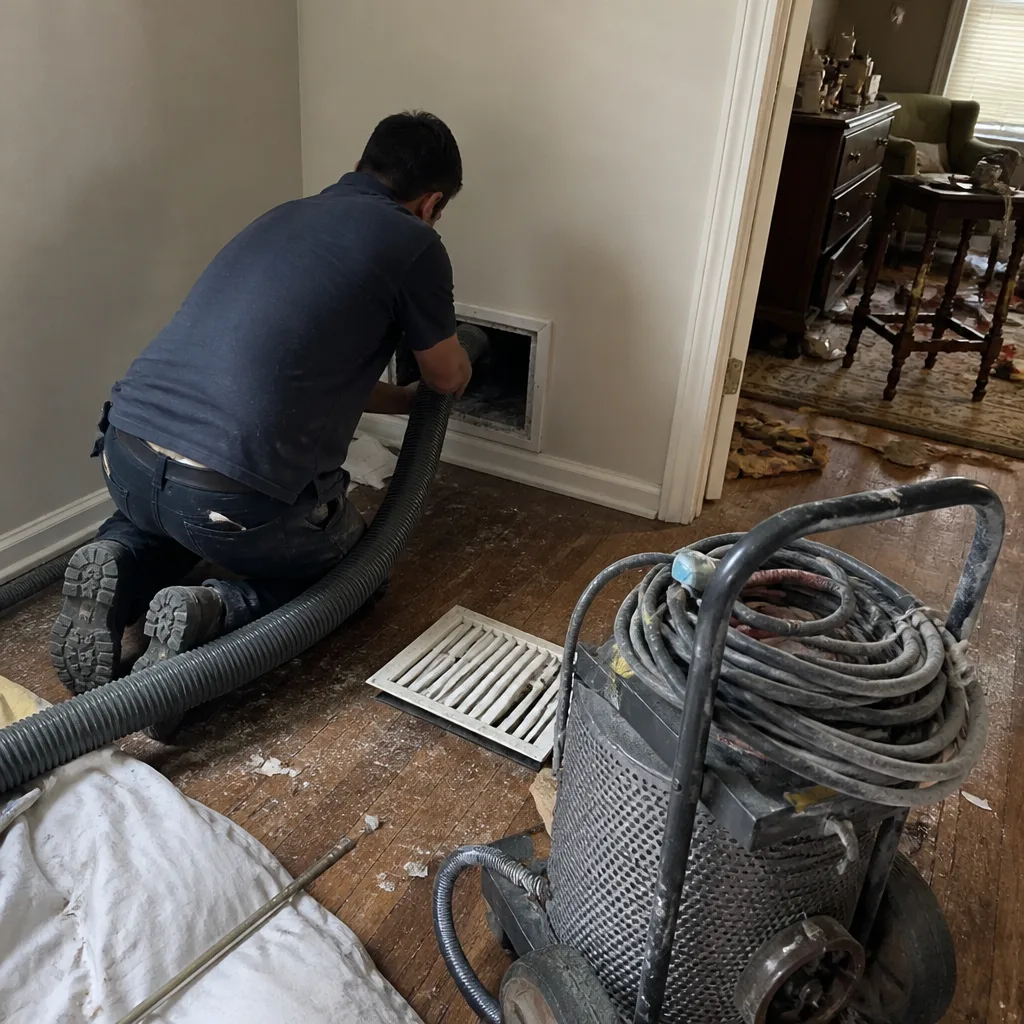 Before
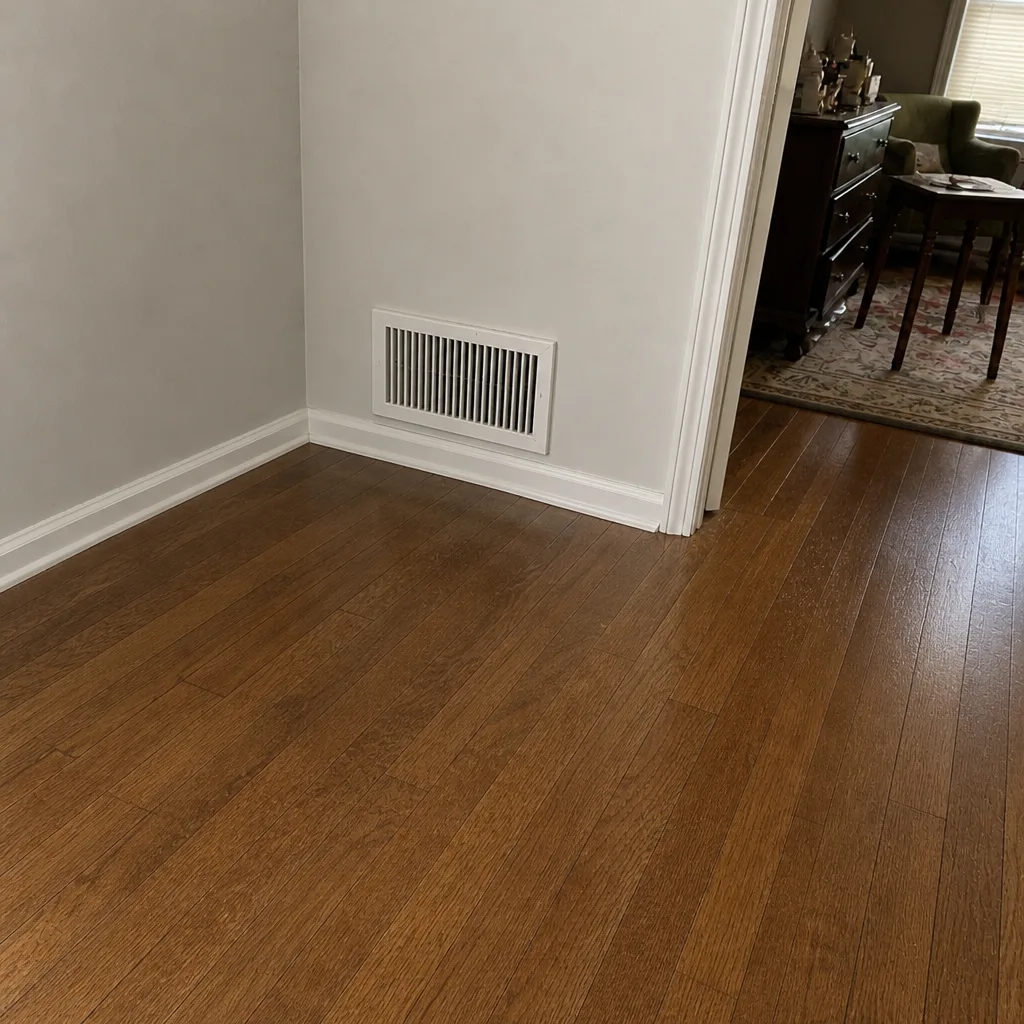 After
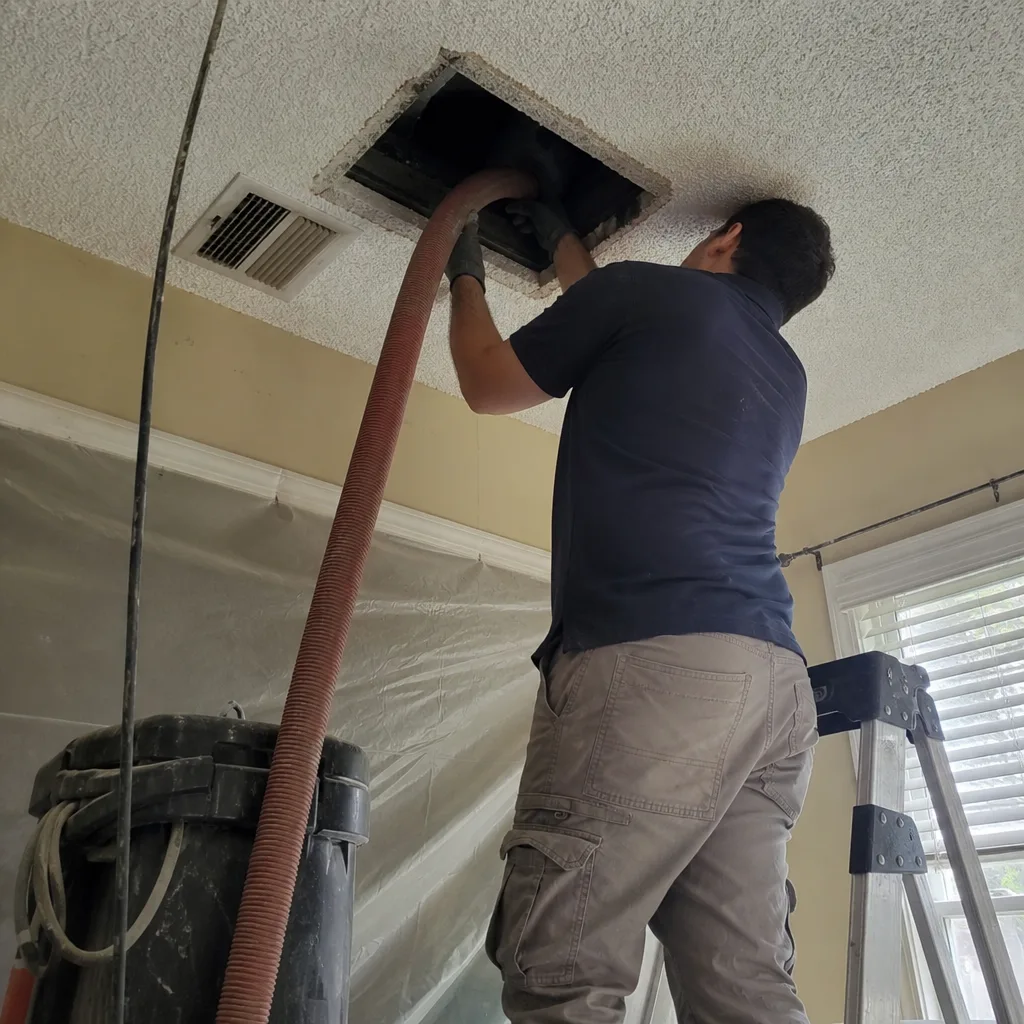 Before
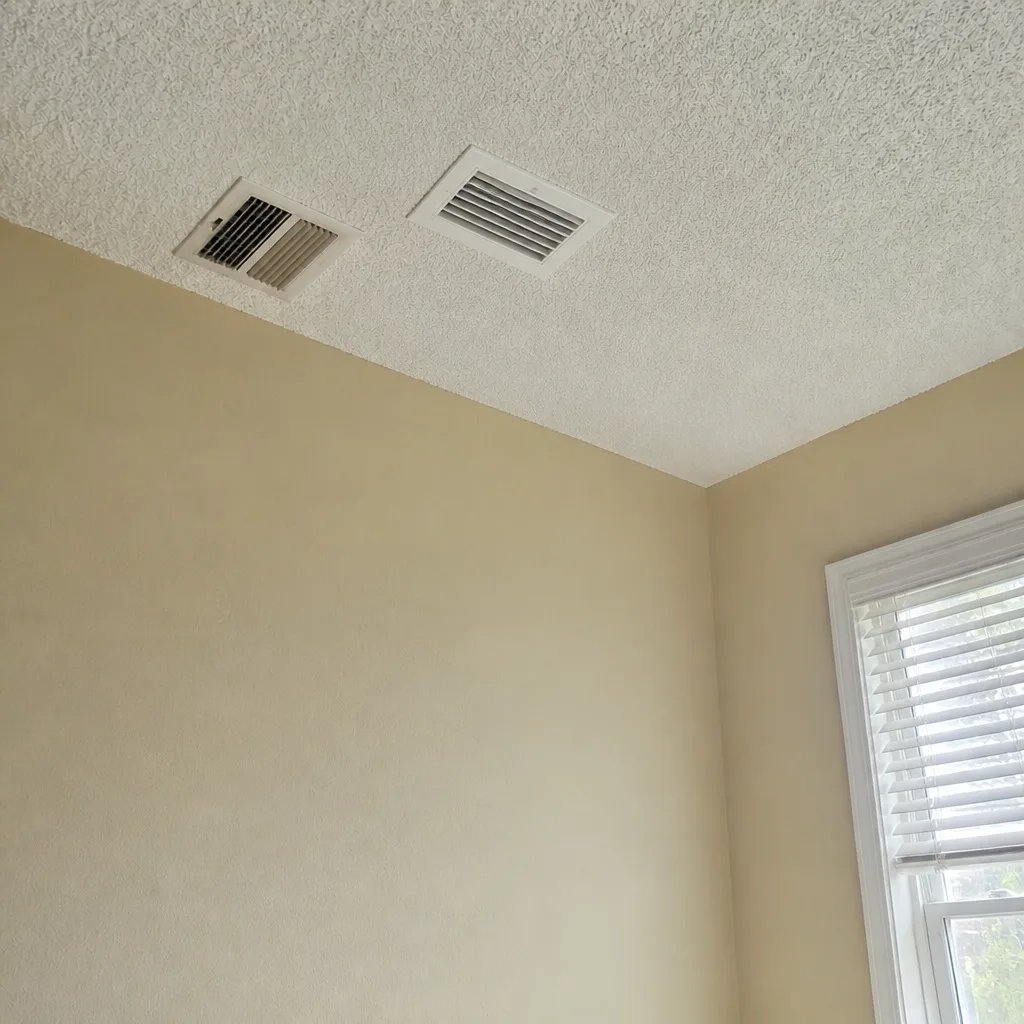 After
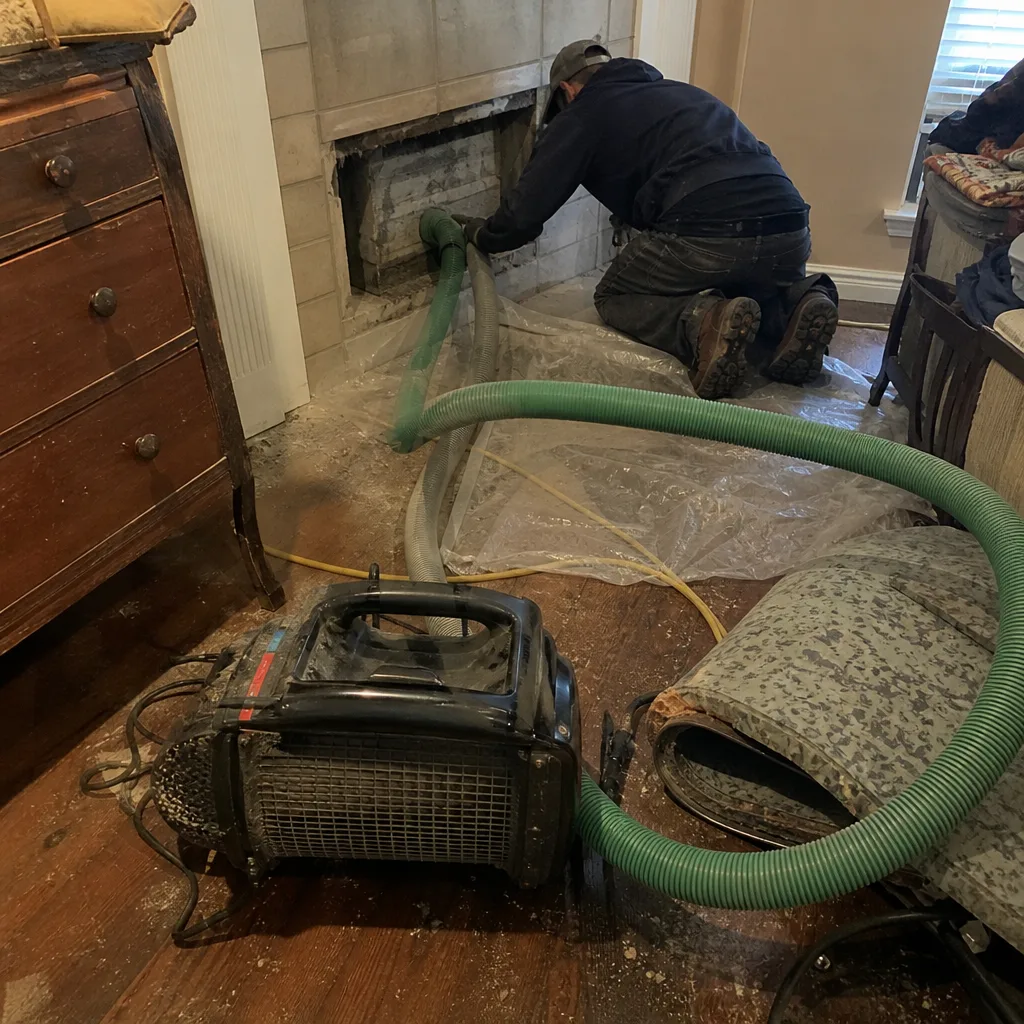 Before
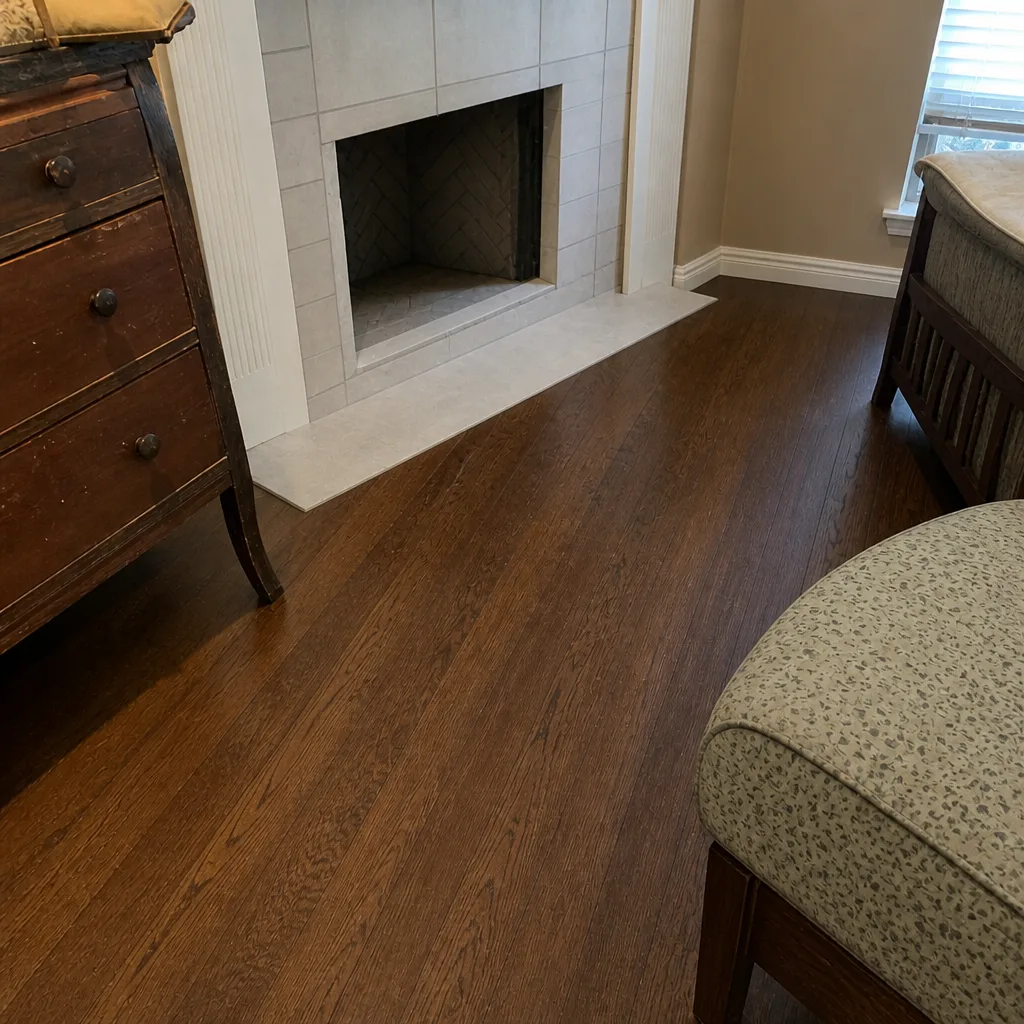 After
When to Call a Professional
You should call a professional after any water intrusion that reached ductwork-adjacent materials, after any wildfire smoke event that pulled smoke into the house, after hail or wind damage that compromised attic runs or exterior grille covers, and on a routine schedule for homes that have never had the system cleaned. Air Duct Cleaning North Dallas offers free estimates in North Dallas – call (833) 482-6392. Our technicians have up to 10 years of experience, we bring professional-grade Rotobrush and Nikro equipment to every job, and we’ll tell you honestly whether your situation calls for restoration work before we touch the ducts. Call (833) 482-6392. We answer 24/7. Fast dispatch from 7am to 7pm, Sunday through Friday.
Frequently Asked Questions
Shut off the HVAC system at the thermostat and the breaker, photograph everything before touching it, then start structural drying. Do not run the fan to dry the house, because that spreads spore-laden air through every room. Call (833) 482-6392 for a free estimate once the water is out and remediation is scheduled.
Keep the system off until you’ve confirmed the duct interior is being addressed with HEPA-rated, negative-pressure equipment, and don’t run it during the smoke event itself. Sub-micron smoke particles are not captured by standard filters, and running the system just redistributes them. Call (833) 482-6392 to schedule a post-smoke inspection.
Often it is, but only when the work is properly documented as a direct result of the covered event, which is why your own timestamped photos matter so much. Submit the estimate alongside the claim file, and keep the written scope separate from any remediation scope. Call (833) 482-6392 for a free written estimate you can submit.
Ask two questions: does the equipment have HEPA-rated filtration, and will the technician use negative-pressure containment during the work? If either answer is vague, look elsewhere. We run Abatement Technologies negative-air and filtration equipment on post-fire jobs for exactly this reason. Call (833) 482-6392 to talk through your situation.
Yes. Large hail can tear the outer jacket of attic duct runs through the roof decking, and the damage often isn’t visible from below. After any significant North Dallas hail event, have the attic inspected before the system starts drawing attic air through a cracked jacket. Call (833) 482-6392 for a free estimate.
A restoration contractor dries the building and remediates mold on structural materials; a duct cleaning company cleans, sanitizes, repairs, and seals the duct system itself. In a post-flood scenario you often need both, and the correct order is remediation first, duct cleaning second. Call (833) 482-6392 to talk through which one your home needs first.
Yes. Lint-loaded dryer vents are a fire-risk pathway in their own right, and a dedicated dryer vent cleaning appointment is a good companion to routine duct maintenance. Call (833) 482-6392 to schedule one.
The Bottom Line
The two acute contamination events that catch most North Dallas homeowners off guard – post-flood moisture and post-wildfire smoke – call for a shutdown-first response, not a clean-it-later one. The correct sequence is always: shut the system off, document the damage before any contractor arrives, remediate the building materials, and only then clean, sanitize, repair, and seal the duct interior. If you hold to those four steps and insist on HEPA-rated, negative-pressure equipment on any post-fire or post-flood job, you’ve protected your indoor air from the most expensive compounding mistake in the trade. Call (833) 482-6392 for a free estimate whenever you’re ready to take the next step.
Written by the team at Air Duct Cleaning North Dallas.